
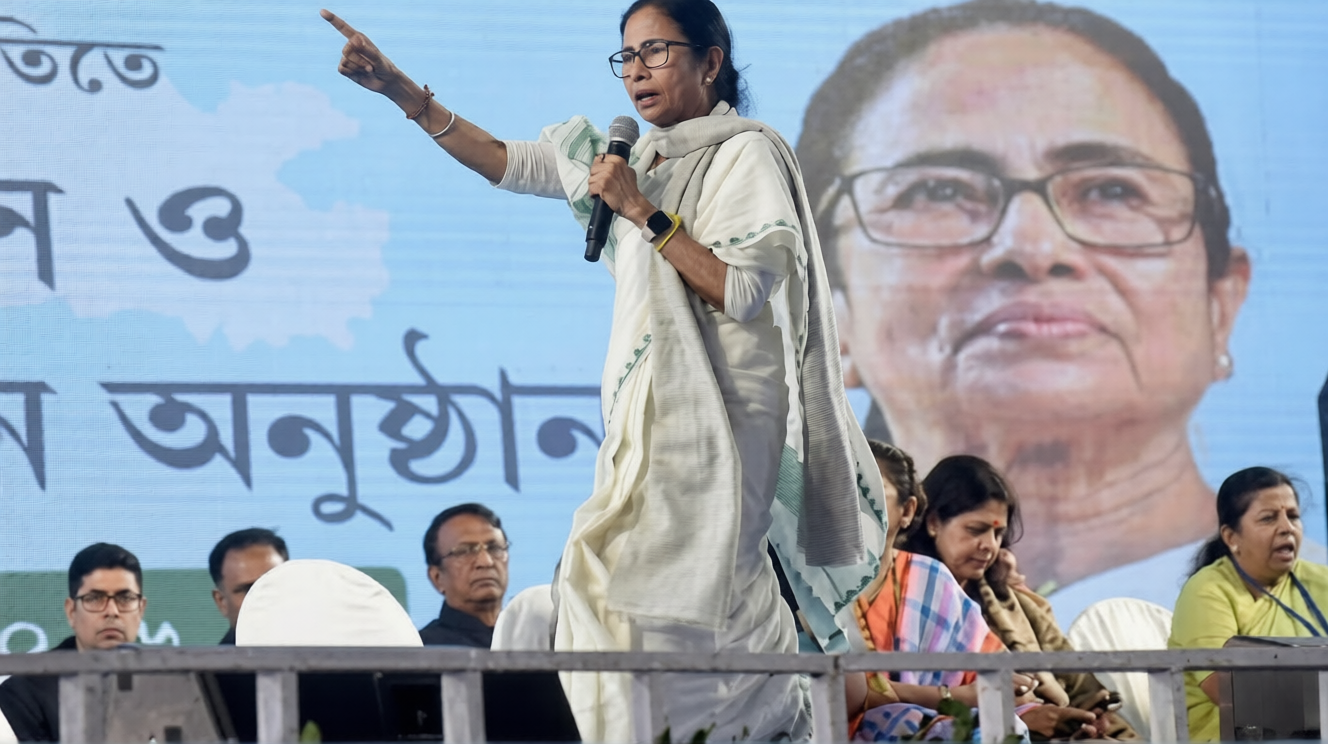
Ahead of the West Bengal Assembly Elections 2026, the Trinamool Congress (TMC) has released its candidate list, officially starting its election campaign in the state. Chief Minister Mamata Banerjee, the chairperson of the party, unveiled the names for 291 seats, setting the stage for a high-stakes electoral battle in the state. The announcement comes as the political atmosphere in West Bengal intensifies, with the ruling party seeking to consolidate its position across the 294-member assembly.
The release of the candidate list marks the formal beginning of the party's campaign. During the announcement, Mamata Banerjee expressed significant confidence in her party's performance, predicting a decisive victory. The Chief Minister stated that the Trinamool Congress is positioned to win more than 226 seats, a margin that would secure a comfortable majority in the legislative assembly. This bold projection reflects the party's strategy to maintain its dominance in the face of a challenging opposition.
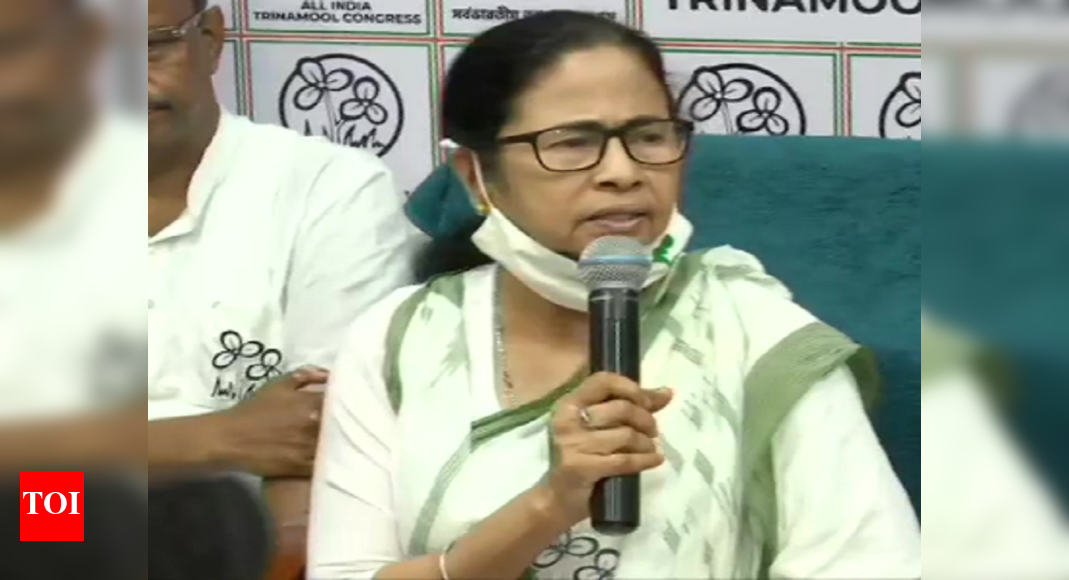
One of the most anticipated aspects of the 2026 polls is the direct confrontation between the TMC leadership and its primary challengers. The headlines confirm that the political landscape will once again feature a high-profile showdown: the political rivalry between Mamata Banerjee and Suvendu Adhikari. This rivalry has become a focal point of West Bengal politics, and the 2026 elections are expected to further cement this narrative. The Trinamool Congress's decision to contest 291 seats indicates a strategic allocation of resources, leaving a few seats for allies or specific regional considerations within the 294-seat framework.
The selection of candidates has drawn attention, as it reflects TMC’s strategy of balancing experienced leaders with new entrants ahead of the election. By announcing the full list of candidates early, the party aims to gain a first-mover advantage, allowing its representatives more time to connect with voters on the ground. The list covers a diverse range of constituencies, from the urban centers of Kolkata to the rural heartlands of North and South Bengal. The party's focus remains on its grassroots connectivity and the implementation of state-run welfare schemes as it seeks a renewed mandate from the people.
In the context of the 2026 West Bengal Assembly Elections, the TMC's strategy appears to be one of stability and calculated aggression. By contesting 291 seats, the party is effectively covering almost the entire map of the state. Analysts believe this move reflects the party’s confidence in its organizational strength across the state. that this move is intended to showcase the party's widespread organizational strength. The Federal reported that Banerjee’s confidence stems from internal assessments that suggest a strong pro-incumbency wave, leading to her public claim of surpassing the 226-seat mark.
The announcement also serves to silence internal party debates regarding ticket distribution. By finalizing the names for nearly all seats in one go, the TMC leadership has sent a clear message of unity and preparedness. This approach is seen as a counter-measure to the opposition's campaign strategies, which have frequently targeted the ruling party on issues of governance and local representation. The 2026 list is expected to feature a mix of veteran leaders and fresh faces, although the specific demographic breakdown remains a point of analysis for political observers.
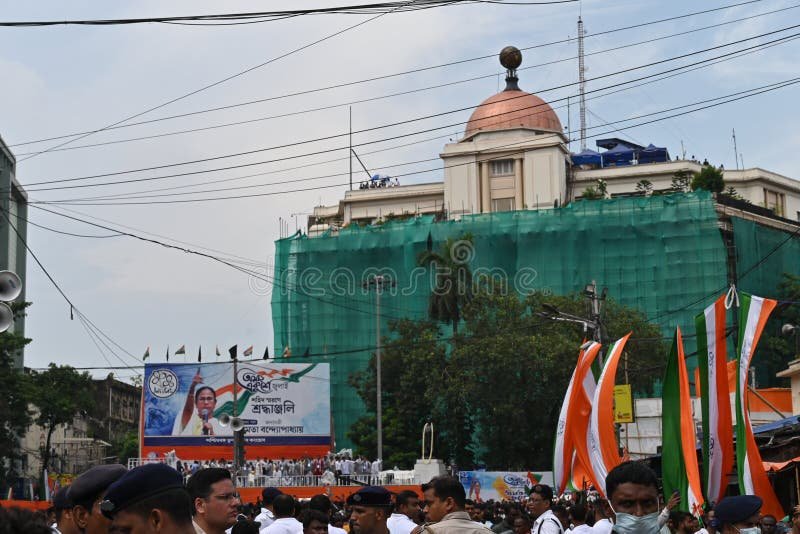
As the election cycle progresses, the focus will shift toward the individual battles in key districts. The clash between Mamata Banerjee and Suvendu Adhikari is not just a battle of personalities but a symbolic struggle for the political soul of West Bengal. With the full list now in the public domain, the Trinamool Congress has transitioned from planning to execution. The coming weeks will see the state transform into a vibrant arena of rallies, manifestos, and public debates as all parties vie for the 294 seats available.
The 2026 elections are being viewed as a litmus test for the TMC's enduring popularity. While the party has dominated the state's political scene for over a decade, the 2026 contest presents new challenges. However, the Chief Minister's assertion that the party will win more than 226 seats suggests that the TMC believes its core support base remains intact. The release of the candidate list for 291 seats is the first major milestone in what is expected to be one of the most closely watched elections in India this year.

In summary, the candidate list is a reflection of Mamata Banerjee's confidence and the party's readiness for the upcoming polls. With the battle lines drawn and the candidates named, the state moves toward a decisive electoral phase that will determine its political direction for the next five years. The Trinamool Congress has laid out its cards, and the focus now moves to the electorate to see if the party's projections of winning over 226 seats will manifest on polling day.





Comments 0
Leave a Reply
Your email address will not be published. Required fields are marked *
Be the first to share your thoughts!