💡 The UEFA Europa League Blueprint: A Deep Dive into Its Evolution, Modern Format, and Continental Legacy
Explore the complete history and modern structure of the UEFA Europa League, from its origins as the Fairs Cup to the new Swiss Model format and its role in European football.
The UEFA Europa League is Europe’s premier secondary club football competition, designed to provide top-tier domestic clubs a platform to compete for continental glory and a guaranteed spot in the following season’s UEFA Champions League. It functions as a high-stakes tournament for teams that finish just outside the primary Champions League qualifying spots in their domestic leagues, as well as those who transition into the competition after the Champions League group stages. Over the decades, it has evolved from a niche invitational tournament into a commercial powerhouse that defines 'Thursday Night Football' for millions of fans worldwide.
The Gateway to European Glory: An Introduction to the UEFA Europa League
For many clubs, the UEFA Europa League (UEL) is the most realistic and exciting path to establishing a continental legacy. While the Champions League often feels reserved for a small elite of ultra-wealthy clubs, the Europa League offers a more diverse competitive field. It provides a stage where historic giants—such as Nottingham Forest, who recently reminded the world of their European pedigree by reaching a semi-final after a 42-year wait—can test their mettle against modern powerhouses like Porto or Sevilla.
The competition is not just a 'consolation prize.' It is a grueling marathon that requires tactical flexibility, squad depth, and the ability to handle intense travel schedules. Winning the trophy has become a strategic priority for major clubs because it offers the ultimate reward: an automatic group-stage berth in the Champions League, regardless of domestic league finishing position.
From the Inter-Cities Fairs Cup to the UEFA Cup: Tracing the Competition’s Origins
The roots of the Europa League date back to 1955 with the creation of the Inter-Cities Fairs Cup. Originally, this wasn't even a UEFA-sanctioned event; it was organized to promote international trade fairs, with teams representing cities rather than just clubs. It wasn't until 1971 that UEFA took control, rebranding it as the UEFA Cup.
In its early UEFA Cup days, the tournament was a pure knockout format. It was notoriously difficult to win because, unlike today, only the league champions went to the European Cup (now the Champions League). This meant the UEFA Cup was often packed with the second, third, and fourth-best teams from the strongest leagues in Europe, making the quality of play incredibly high. Over time, the merger with the UEFA Cup Winners' Cup in 1999 further consolidated its status as the definitive 'best of the rest' tournament.
The 2009 Transformation: Why the UEFA Cup Rebranded to the Europa League
By the late 2000s, the UEFA Cup was struggling with its identity and commercial appeal compared to the booming Champions League. In 2009, UEFA implemented a massive rebrand, changing the name to the UEFA Europa League and introducing a centralized marketing model.
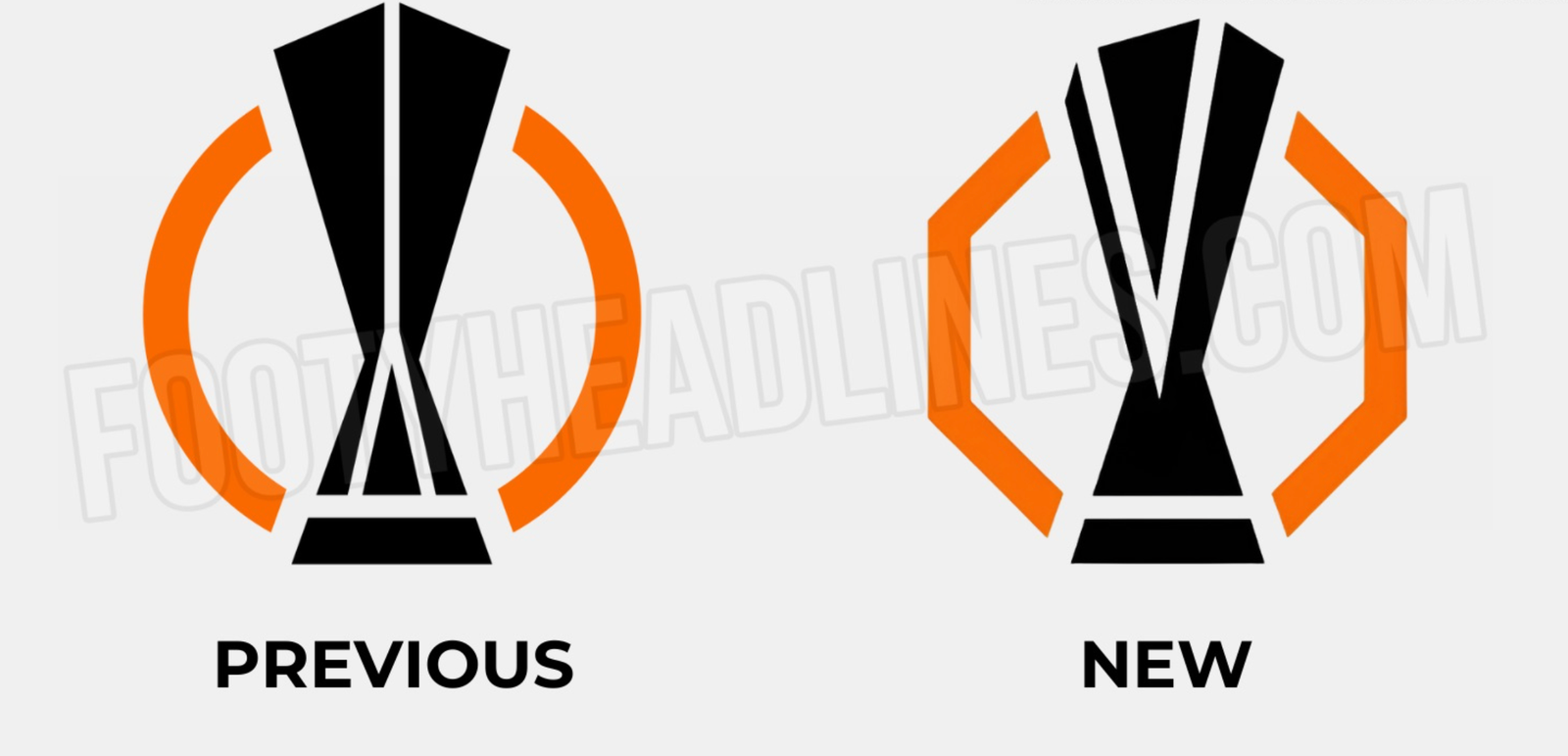
The primary goal was to mirror the successful Champions League format. This meant introducing a full group stage with 48 teams (later reduced to 32) and centralized broadcasting rights. This shift ensured that participating clubs received more predictable revenue from TV money and sponsorships. The iconic anthem and the distinct orange-and-black branding were also introduced to give the tournament a unique 'gritty' personality that contrasted with the 'glamour' of the Champions League.
Navigating the Modern Format: Group Stages, Knockout Round Play-offs, and the Path to the Final
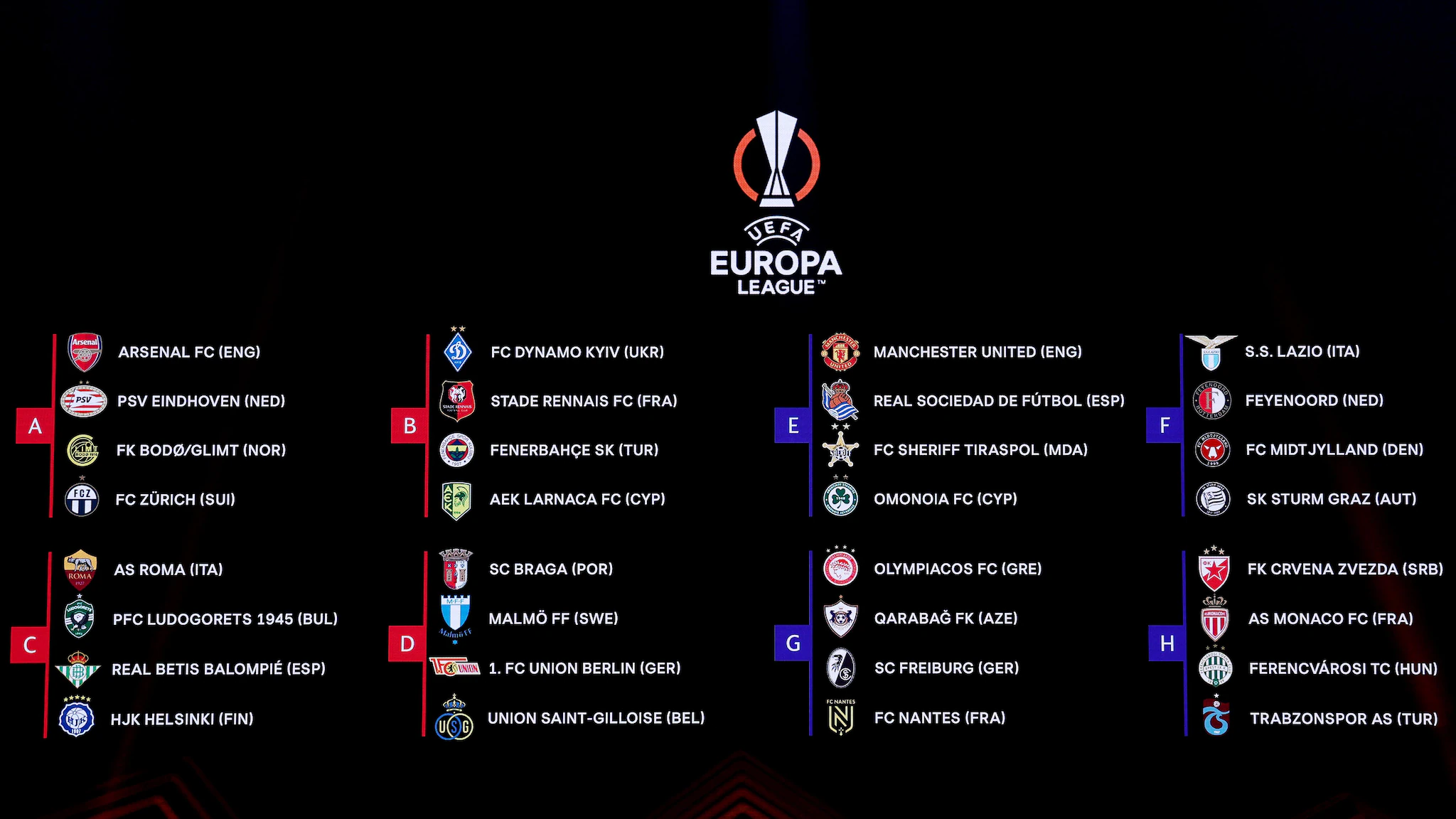
The current format of the Europa League is designed to be a filter for quality. Until the most recent changes, the tournament consisted of eight groups of four teams. The winners of these groups progressed directly to the Round of 16. However, a unique 'Knockout Round Play-off' was introduced to add drama: the eight runners-up from the Europa League groups had to play a two-legged tie against the eight third-placed teams dropping down from the Champions League.
This structure creates a 'second chance' for Champions League teams while forcing Europa League regulars to prove they can compete with the continent's elite. From the Round of 16 onwards, it is a traditional two-legged knockout format leading to a single-match final held at a neutral venue. The intensity of these mid-week knockout rounds has become a staple of the European football calendar.
The Impact of the New 'Swiss Model' and Integration with the UEFA Conference League
Starting in the 2024/25 season, the Europa League has moved away from traditional groups to a 'Swiss Model' league phase. Instead of playing three opponents twice, teams now play eight different opponents in a single massive league table. This ensures more 'big vs. big' matchups earlier in the tournament and keeps the table competitive until the very last matchday.
Furthermore, the creation of the UEFA Conference League in 2021 has streamlined the Europa League. By moving 'smaller' nations' representatives to the third-tier competition, the Europa League has become more concentrated with high-quality teams from the top five European leagues. This integration ensures that there is a clear hierarchy in European football, allowing clubs to find their natural level of competition.
More Than a Trophy: Champions League Qualification and the Financial Incentives of Success
The stakes of the Europa League were forever changed in 2015 when UEFA announced that the winner would receive an automatic spot in the Champions League. This turned the tournament into a strategic 'Plan B' for giants like Manchester United, Chelsea, or Arsenal when they struggled in their domestic leagues.
Financially, the rewards are significant. While the prize money is lower than the Champions League, a deep run can generate tens of millions of Euros in TV market pool shares and ticket sales. For a club like Nottingham Forest or Porto, these funds are transformative, allowing them to reinvest in the squad and sustain their domestic competitiveness. However, the limitation remains the 'Thursday-Sunday' schedule, which often puts a strain on domestic league performance due to limited recovery time.
Kings of the Competition: Celebrating the Most Successful Clubs and Iconic Finals
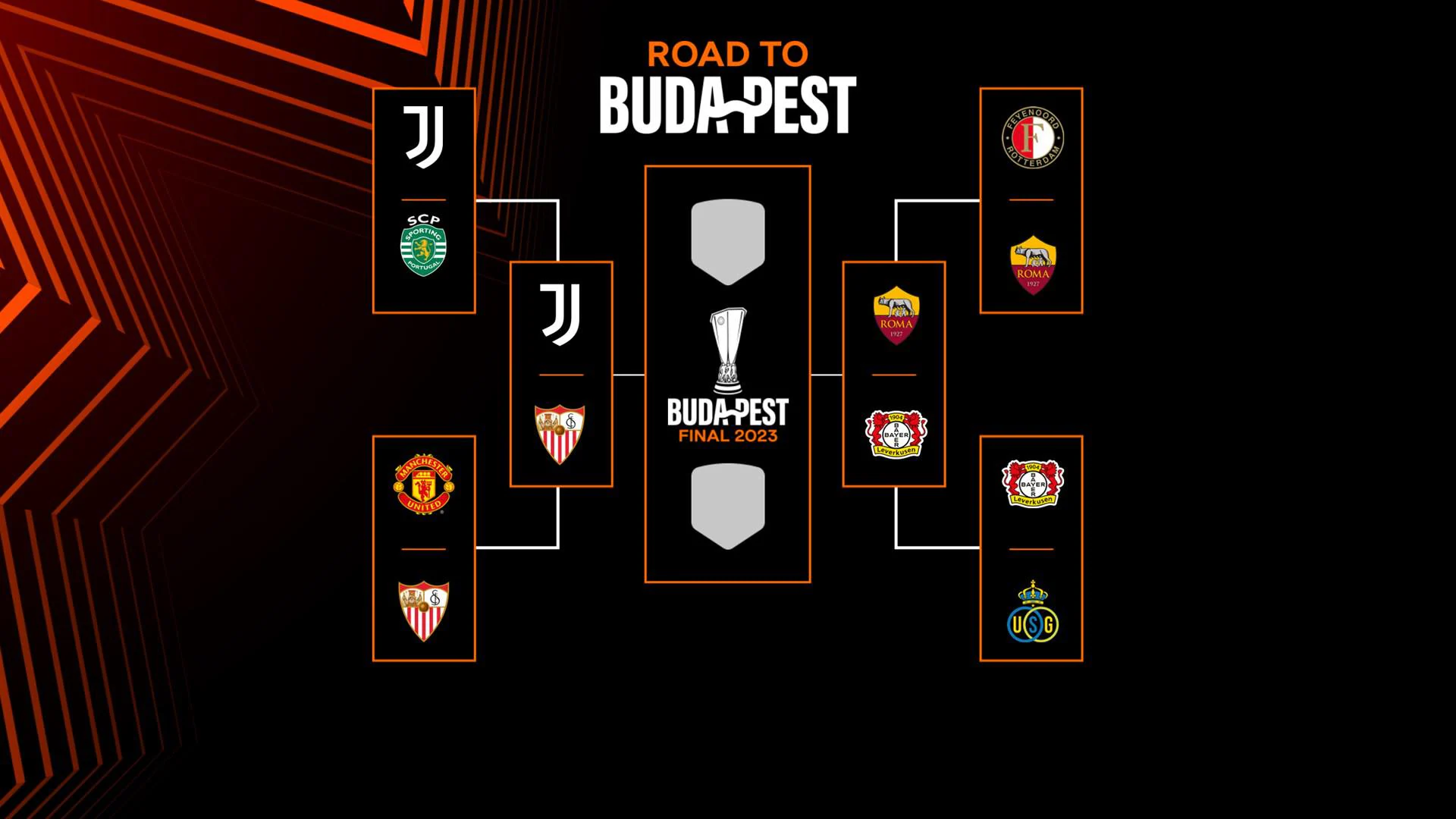
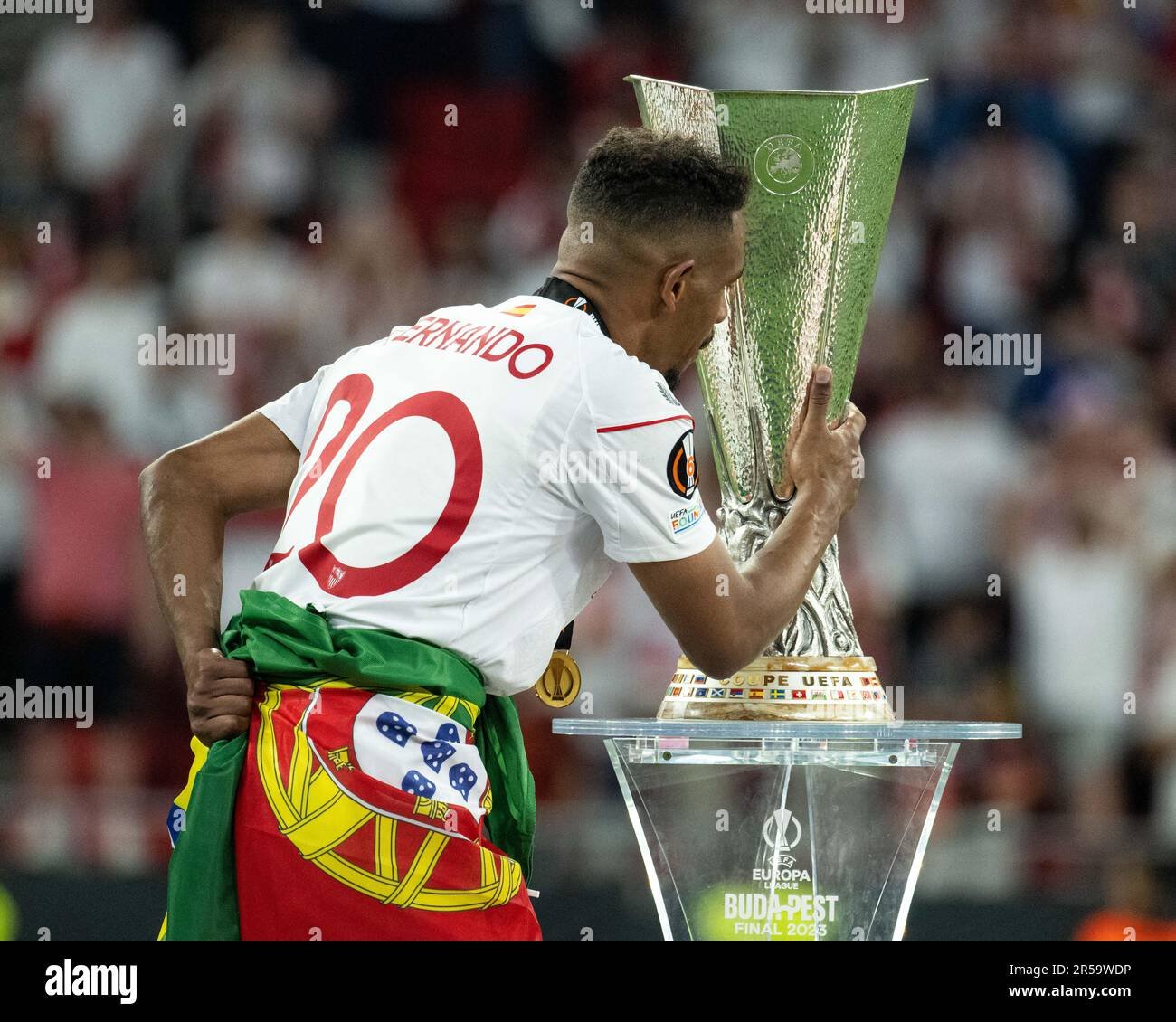
No discussion of the Europa League is complete without mentioning Sevilla FC. The Spanish side has made the competition their own, winning it a record seven times. Their dominance has sparked debates about whether the tournament is 'The Sevilla Invitational.' Other iconic winners include Liverpool, Juventus, and Inter Milan, all of whom have three titles each.
Iconic finals, such as Liverpool’s 5-4 'Golden Goal' thriller against Alaves in 2001 or Eintracht Frankfurt’s emotional penalty shootout victory in 2022, highlight the tournament's ability to produce high-octane drama. These moments cement the competition's status as a place where legends are made and historic droughts are broken.
Frequently Asked Questions Regarding the Europa League Structure
1. Do Champions League teams still drop into the Europa League?
Under the new 2024 format, teams no longer drop down from the Champions League to the Europa League after the league phase. Once you are out of the Champions League, you are out of Europe for the season.
2. What does the winner of the Europa League get?
The winner receives the iconic silver trophy, a gold medal, and direct entry into the following season's UEFA Champions League league phase.
3. Why are games played on Thursday?
Thursday is the designated slot to ensure that the Europa League and Conference League do not compete for viewership with the Champions League (Tuesday/Wednesday), providing a dedicated broadcast window.
4. How many teams qualify for the league phase?
The new format features 36 teams in a single league table, up from the previous 32-team group stage format.
The Enduring Appeal of Thursday Night Football: Why the Europa League Matters
The Europa League matters because it represents the soul of competitive European football. It is the bridge between the local hero and the global icon. It provides a platform for clubs that aren't part of the 'super-club' bracket to dream of continental silverware. Whether it’s the resurrection of a historic giant or the rise of a new underdog, the Europa League remains the most unpredictable and culturally rich tournament in the world. It proves that in football, the journey to the top is just as important as staying there.
Conclusion
The UEFA Europa League has successfully transitioned from a secondary tournament into a vital pillar of European football. By balancing historical prestige with modern financial incentives and a revamped 'Swiss Model' format, it offers clubs a prestigious path to glory and a lifeline to the Champions League. While the schedule is demanding, the reward of lifting the silver trophy remains one of the highest honors in the sport.


Comments 0
Leave a Reply
Your email address will not be published. Required fields are marked *
Be the first to share your thoughts!