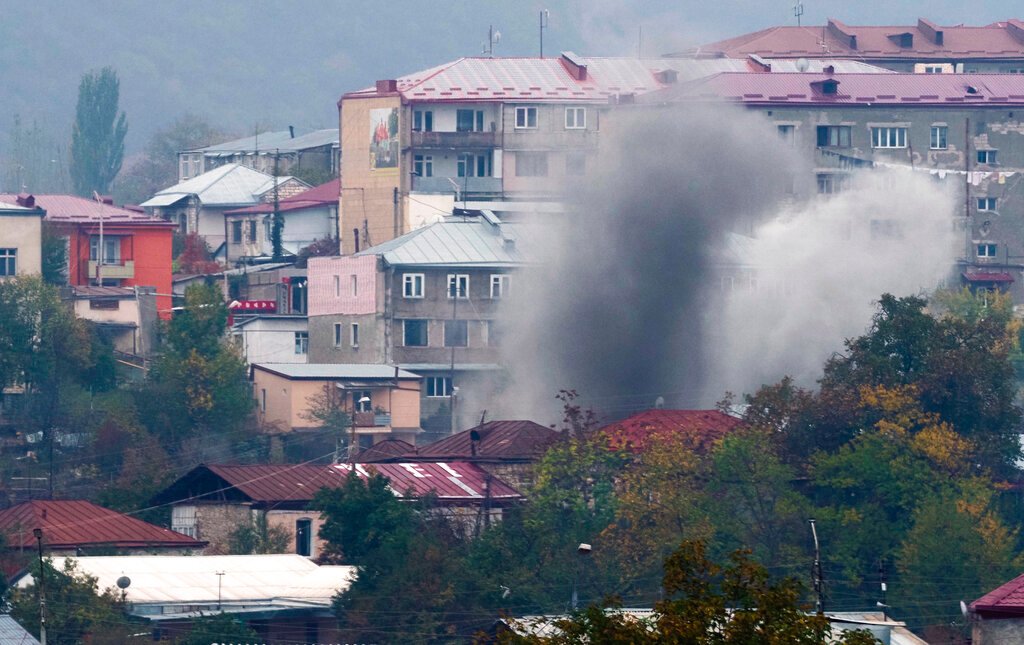
Understanding the Azerbaijan Conflict: Causes, Effects, and International Response
The conflict between Azerbaijan and Armenia over the Nagorno-Karabakh region is a major geopolitical issue in the South Caucasus. It is rooted in historical territorial disputes, ethnic tensions, and political instability between the two countries. At the core of much of this tension is the long-running conflict between Azerbaijan and Armenia, mostly centered around the Nagorno-Karabakh region. This isn't just a minor disagreement; it's a dispute deeply woven into history and identity, profoundly shaping the lives of millions, triggering immense humanitarian crises, and continuing to challenge both regional and international stability. So, to really get a handle on this multifaceted conflict, we need to dive deep into its origins, figure out what keeps it going, understand its profound consequences, and see what the world has (or hasn't) done to help achieve lasting peace.
Nagorno-Karabakh is internationally recognized as part of Azerbaijan, but it has historically been populated by ethnic Armenians. This difference has been the main reason for conflict between the two nations. We'll try to pull back the layers here, offering some clarity on one of the world's most persistent flashpoints. Ready to explore?
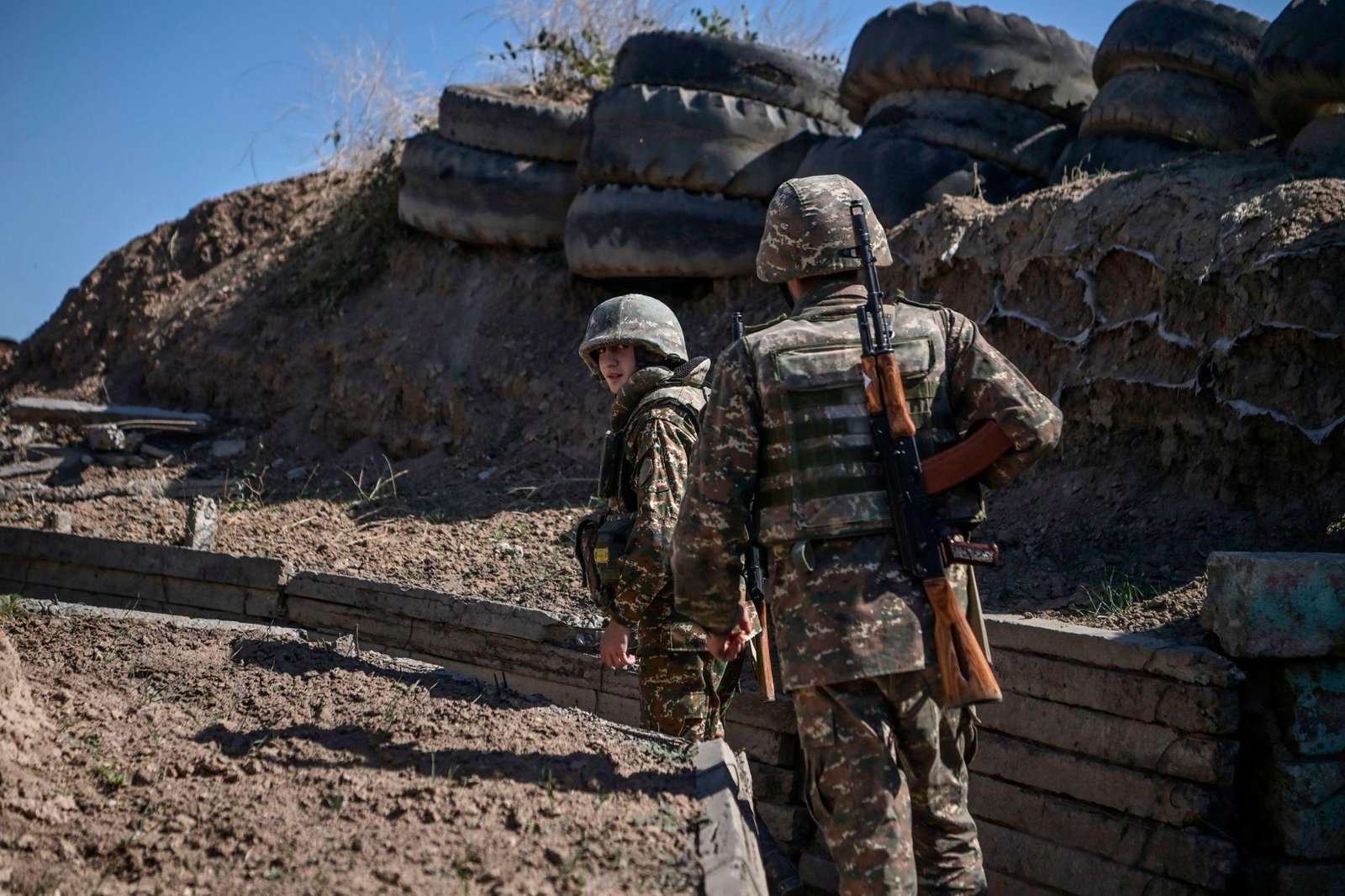
History of the Conflict
Early History of the Conflict
The origins of the Azerbaijan-Armenia conflict can be traced back to the early 20th century. During the Soviet era, Nagorno-Karabakh was established as an autonomous region within Azerbaijan.
In 1988, ethnic Armenians in the region demanded to join Armenia. This led to protests, violence, and eventually war after the Soviet Union collapsed in 1991.
The first major war lasted until 1994, resulting in Armenian control over Nagorno-Karabakh and surrounding territories.





Comments 0
Leave a Reply
Your email address will not be published. Required fields are marked *
Be the first to share your thoughts!