

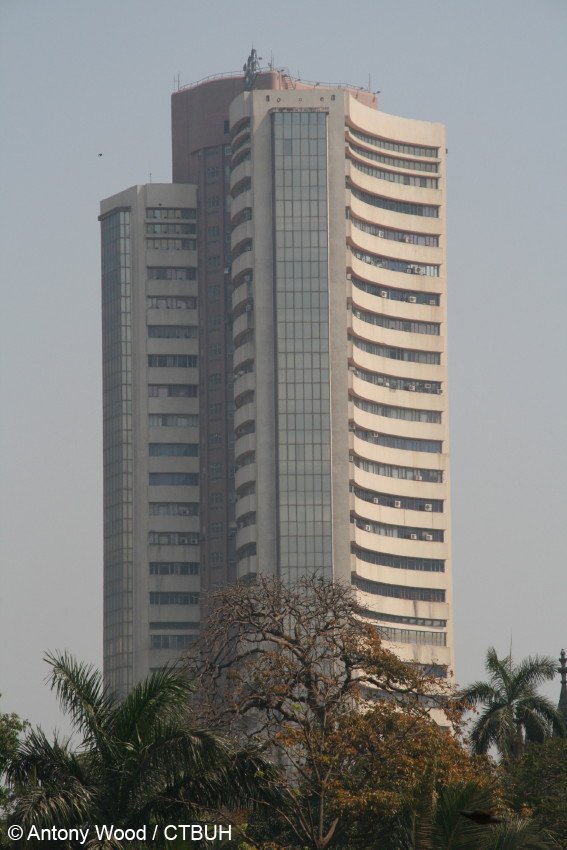
The S&P BSE Sensex, widely known as the Sensex Index, stands as the most iconic barometer of the Indian equity market. Short for the 'Stock Exchange Sensitive Index,' it represents the weighted average of 30 well-established and financially sound companies listed on the Bombay Stock Exchange (BSE). As India’s oldest stock market index, it has served for decades as the primary 'pulse' of the nation’s economy, reflecting investor sentiment, domestic policy shifts, and global economic trends.
In recent trading sessions, the Sensex recovered after three straight sessions of losses, gaining 0.81% in today’s trade. After a period of volatility that saw the market endure a three-session losing run, the index staged a notable recovery. According to recent market data, the Sensex Index closed 0.81% higher, a move that provided much-needed relief to investors who had been watching the downward trend with caution. This rebound highlights the cyclical nature of the Indian markets and the underlying strength of its core components.
The Drivers of the Recent Rally: Heavyweights and Autos
The recent reversal of the three-day losing streak was not a random occurrence but was driven by specific sectoral strengths. Market reports indicate that index heavyweights and the automotive sector were the primary catalysts for the Nifty and Sensex snapping their losing run. Heavyweights—large-cap companies with significant weighting in the index—often dictate the direction of the Sensex due to their massive market capitalization.
The automotive sector, in particular, showed significant strength. As a high-beta sector, autos are often sensitive to interest rate expectations and consumer sentiment. When these stocks rally, they tend to pull the broader index upward. The participation of these 'blue-chip' stocks suggests a return of buying interest at lower levels, as institutional investors look to capitalize on value after a short-term correction.

Methodology and Significance of the Sensex
To understand why a 0.81% move is significant, one must understand how the Sensex is calculated. The index employs the 'Free-float Market Capitalization' methodology. This means the level of the index reflects the total market value of all the shares of the 30 component companies that are available for trading by the public. This excludes shares held by promoters, governments, or other locked-in entities, providing a more accurate reflection of market dynamics.
The selection of the 30 companies is rigorous. They must be listed on the BSE, be among the largest companies by market cap, and have high liquidity (meaning their shares are traded frequently). Because these 30 companies span various sectors—including banking, IT, energy, and telecommunications—the Sensex provides a diversified snapshot of the health of corporate India.

Global Context and World Markets
While the Sensex is a domestic indicator, it does not operate in a vacuum. The performance of world markets, as tracked by major indices in the US, Europe, and Asia, significantly influences local sentiment. Foreign Institutional Investors (FIIs) often move capital in and out of the Indian market based on global risk appetite. Recent updates from MarketWatch and other global financial news outlets suggest that while domestic factors like auto sales and heavyweight earnings are crucial, the Sensex remains sensitive to international trends.
When global markets stabilize, it often provides the necessary backdrop for the Sensex to snap losing streaks, as seen in the most recent trading day. The 0.81% gain is a testament to the fact that despite global pressures, the Indian domestic investment story remains compelling for many. Investors continue to use the Sensex as a benchmark to compare the performance of their portfolios against the broader market.
Conclusion and Market Outlook
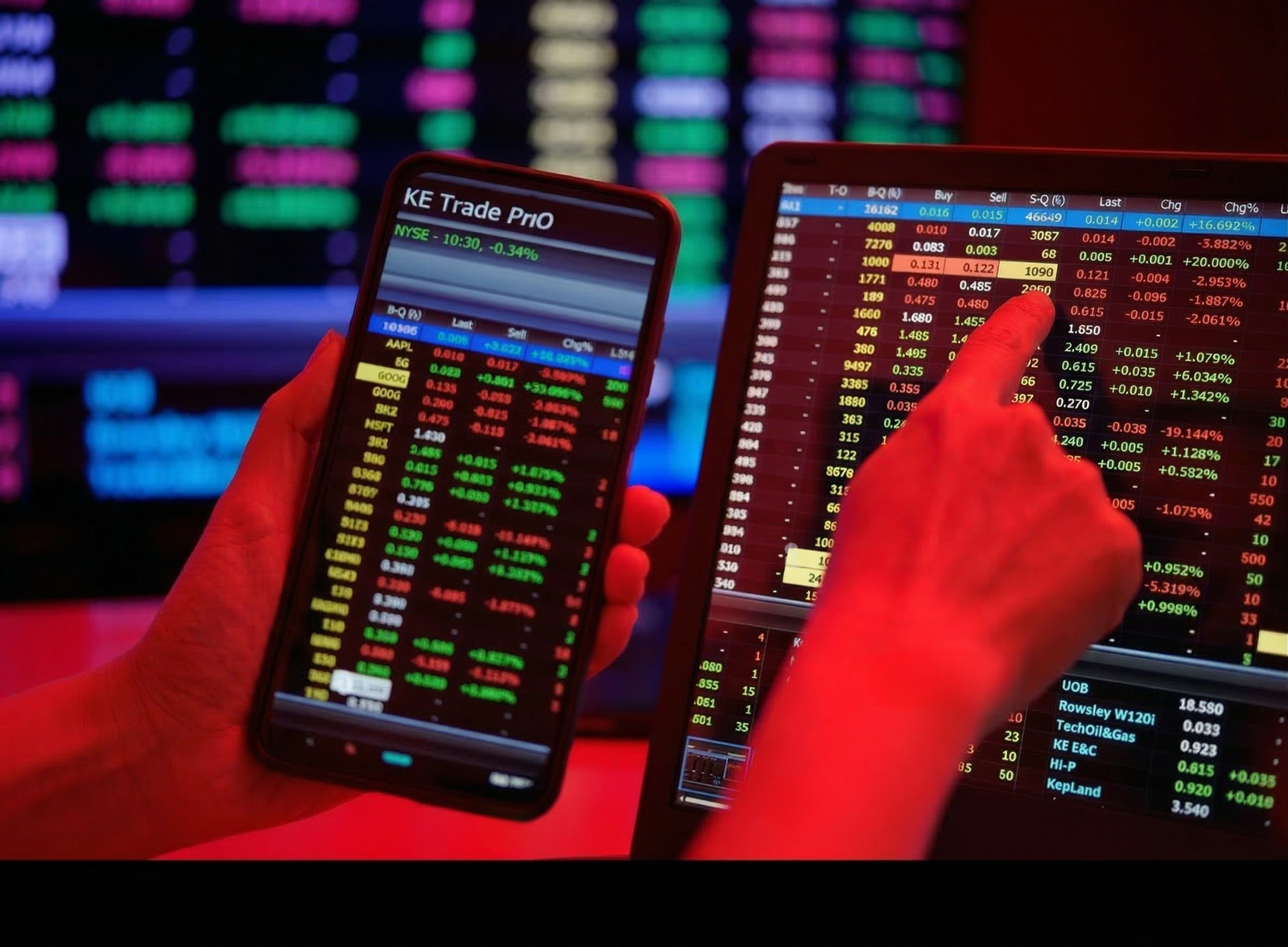
The Sensex Index continues to be the definitive guide for anyone looking to understand the trajectory of Indian wealth. Its ability to snap a three-session losing streak through the support of auto stocks and market heavyweights underscores the depth of the Indian equity market. While volatility is an inherent part of stock trading, the long-term historical trend of the Sensex has traditionally mirrored the expansion of the Indian middle class and the industrialization of the economy.
As the market moves forward, analysts will continue to watch the performance of these 30 constituent companies. Whether it is responding to domestic policy or global economic shifts, the Sensex remains the most vital sign of India’s financial health and a critical tool for investors worldwide.





Comments 0
Leave a Reply
Your email address will not be published. Required fields are marked *
Be the first to share your thoughts!