
In the complex ecosystem of global finance, stock futures serve as one of the most vital instruments for price discovery and risk management. For many market participants, understanding stock futures today is essential for gauging sentiment before the traditional exchange bells ring. These financial contracts represent an agreement to buy or sell a specific equity index at a predetermined price on a future date. Because they trade nearly twenty four hours a day, they provide a continuous stream of data regarding how global events influence investor expectations.
The futures market is often used as an early indicator of the opening direction of major stock exchanges. When investors observe fluctuations in index futures, they are witnessing the real time adjustment of valuations based on interest rate shifts, corporate earnings projections, and geopolitical developments. This guide provides a deep dive into the mechanics of these instruments, offering practical insights for those looking to understand the underlying forces that drive market movements.
The Fundamental Mechanics of Stock Futures
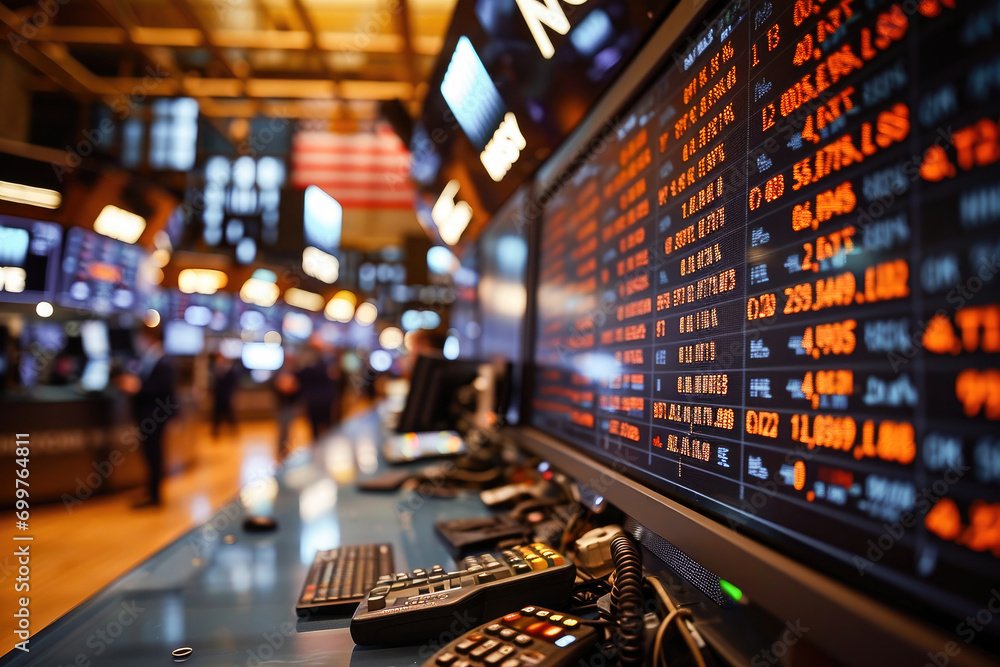
Stock futures are derivative products, meaning their value is derived from an underlying asset, such as the S&P 500, the Nasdaq 100, or the Dow Jones Industrial Average. Unlike buying a share of a company, a futures contract is a legal obligation. Most retail and institutional traders use cash-settled contracts where profits and losses are settled in cash.
One of the defining features of this market is the concept of leverage. Leverage allows a trader to control a large contract value with a relatively small amount of capital, known as margin. Standard exchange regulations require a performance bond or initial margin to open a position. While this amplifies the potential for profit, it equally increases the risk of significant loss.
Understanding tick value is important for traders in this market. A tick is the minimum price fluctuation an index future can make. For example, in the E-mini S&P 500 futures, a single tick is 0.25 index points. Since each full point is worth 50 USD, one tick equates to 12.50 USD per contract. This level of precision allows for highly liquid markets and tight bid-ask spreads, which are beneficial for high frequency trading and institutional hedging.
Key Types of Stock Index Futures
The global marketplace offers various types of futures contracts tailored to different sectors and risk appetites. The three most prominent contracts in the United States, which influence global sentiment, include:
- E-mini S&P 500 (ES): This is the most liquid equity index future in the world. It tracks the 500 largest publicly traded companies in the US and is used by institutional investors to hedge broad market exposure.
- E-mini Nasdaq 100 (NQ): Focusing heavily on the technology and growth sectors, this contract is highly sensitive to interest rate changes and innovation cycles.
- E-mini Dow Jones (YM): This contract tracks 30 blue chip industrial companies, providing a window into the health of the traditional manufacturing and consumer sectors.
- Micro E-mini Contracts: Introduced to provide access to smaller participants, these contracts are one tenth the size of standard E-mini contracts, allowing for more precise position sizing.
These contracts follow a quarterly expiration cycle, usually on the third Friday of March, June, September, and December. This period, often referred to as quadruple witching when combined with options expirations, results in increased volume and volatility as traders roll their positions into the next contract month.

How to Interpret Futures Price Action
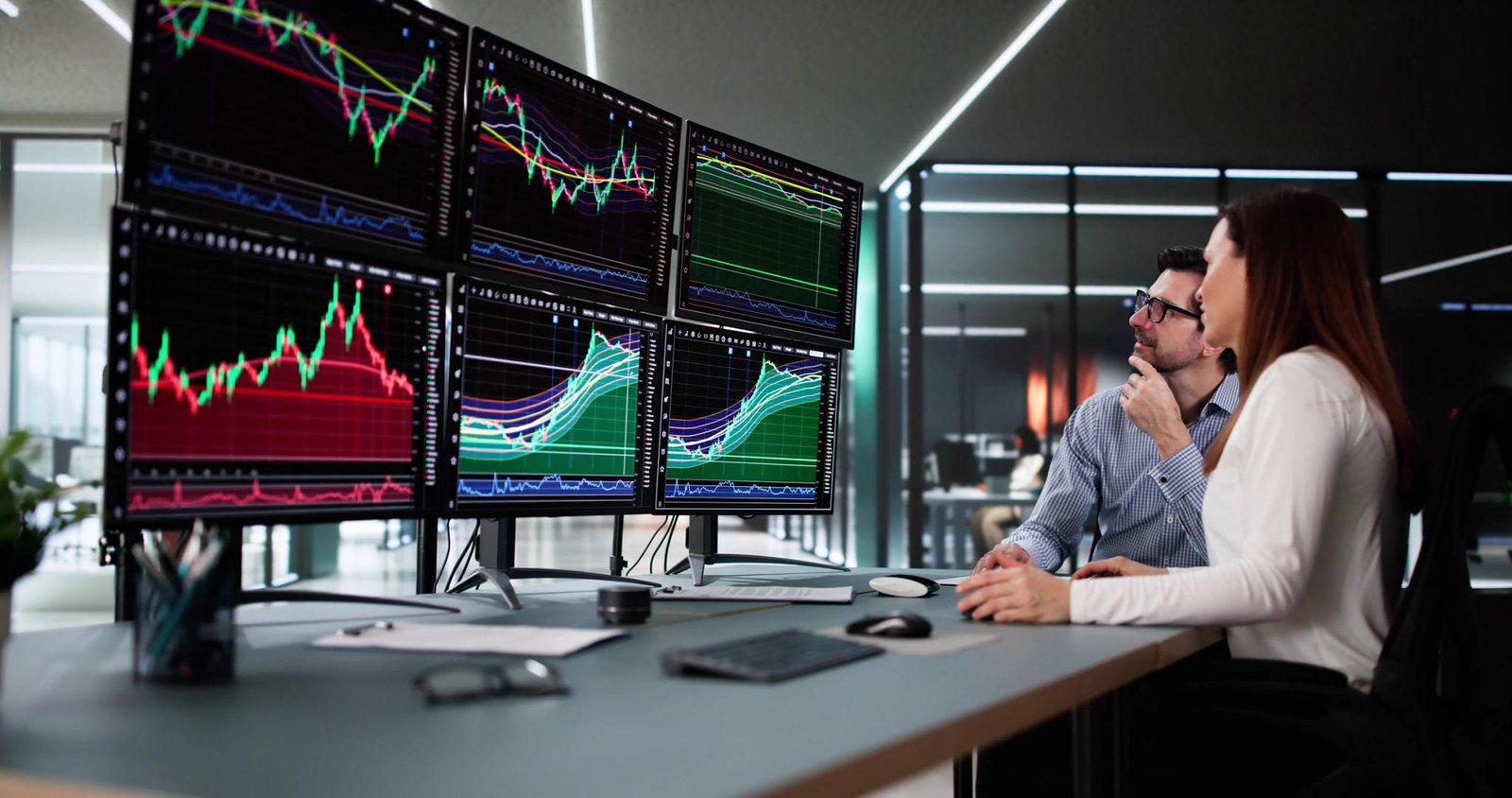
Understanding stock futures today requires a grasp of fair value. Fair value is the theoretical price of a futures contract based on the current cash index price, plus the cost of carry (interest rates), minus dividends expected before expiration. When the futures price trades significantly above or below this fair value, it indicates a strong directional bias for the upcoming market open.
The overnight or Globex session is especially important for tracking global market movement. Because Asian and European markets are open while the US cash market is closed, futures react to international news. If the E-mini S&P 500 is trading up 1 percent at 4:00 AM Eastern Time, it suggests that the US market will likely open higher, barring any major news releases before 9:30 AM.
Traders also monitor the basis, which is the difference between the spot price of the index and the futures price. A positive basis indicates that the futures are trading at a premium, often reflecting bullish sentiment. Conversely, a negative basis, or backwardation, suggests bearishness or an immediate need for the underlying asset.
Real Life Applications: Hedging and Speculation
Stock futures are not merely for day traders: they serve critical functions for long term investors and corporations. Consider a fund manager who holds a 10 million USD portfolio of blue chip stocks. If the manager anticipates a temporary market downturn but does not want to sell their holdings due to tax implications, they can sell an equivalent value of Dow Jones futures. If the market drops, the profit from the short futures position offsets the loss in the stock portfolio. This is the essence of a hedge.
On the speculative side, an investor might use Nasdaq futures to capitalize on a specific sector trend. If industry reports suggest a surge in semiconductor demand, the investor might buy Micro E-mini Nasdaq contracts to gain leveraged exposure to the tech sector without selecting individual stocks. This approach provides diversified exposure while requiring less upfront capital than buying an Exchange Traded Fund (ETF) outright.

Common Mistakes to Avoid in Futures Trading
Despite the advantages, the futures market is high risk. One of the most common errors is ignoring the impact of leverage. Because a small move in the index can result in a large change in account balance, traders often find themselves facing margin calls if they do not manage their position sizes correctly. Regulations state that if an account falls below the maintenance margin level, the participant must deposit more funds or close the position immediately.
Another mistake is failing to account for the 24 hour nature of the market. Significant price gaps can occur between the Friday close and the Sunday evening open. Traders who leave positions unhedged over the weekend are exposed to event risk that they cannot react to until the market reopens. Stop loss orders are commonly used, but they do not guarantee protection against sudden price gaps.
Pro Tips for Analyzing Stock Futures
- Monitor the VIX: The CBOE Volatility Index often moves inversely to stock futures. A rising VIX usually accompanies falling futures prices.
- Watch Bond Yields: There is a strong correlation between the 10 Year Treasury Yield and Nasdaq futures. Rising yields often put downward pressure on tech heavy futures.
- Use Volume Profile: Analyzing where the most volume has traded in the futures session can help identify support and resistance levels that the cash market will respect later in the day.
- Understand the Economic Calendar: Major data releases, such as employment reports or inflation data, are primary catalysts for futures volatility.
Frequently Asked Questions
What time do stock futures start trading?
In the US, major index futures on the CME Globex exchange begin trading on Sunday at 6:00 PM Eastern Time and run through Friday at 5:00 PM Eastern Time, with a daily one hour break at 5:00 PM.
Do I need a lot of money to trade futures?
While standard contracts require significant margin, Micro E-mini contracts have made the market accessible for smaller accounts. However, sufficient capital is always required to handle volatility and margin requirements.
Are stock futures the same as options?
No. A futures contract is an obligation to fulfill the terms, whereas an option gives the holder the right, but not the obligation, to buy or sell. Futures have a linear payoff, while options have non linear risk profiles.
Why do futures prices differ from the actual index price?
This is due to the cost of carry, which includes the interest costs of holding the position and the dividends that the underlying stocks will pay out before the contract expires.
Conclusion
Stock futures remain one of the most powerful tools in the modern financial landscape. By providing a continuous window into global investor sentiment and offering a mechanism for both high level hedging and targeted speculation, they bridge the gap between different time zones and asset classes. While the risks associated with leverage are substantial, a disciplined approach based on understanding fair value, margin requirements, and market correlations can provide traders with a significant edge in interpreting market direction. The primary takeaway for any participant is that stock futures are a leading indicator of market health, requiring careful analysis of global economic data and price action to be used effectively. This content is for informational purposes only. Please participate responsibly.




Comments 0
Leave a Reply
Your email address will not be published. Required fields are marked *
Be the first to share your thoughts!