Understanding the Complexities of Weather: A Comprehensive Guide Amidst Global Shifts
As of March 12, 2026, the world is once again reminded of the dynamic and often unpredictable nature of weather. From unseasonably warm temperatures sparking early spring blooms in North America to a persistent heatwave gripping parts of Southeast Asia, and localized flooding impacting regions recovering from recent storms, the atmosphere is a constant stage for change. This guide aims to demystify the intricacies of weather, its profound impact on our lives, and how we can better prepare for its diverse manifestations, especially in an era of evolving climate patterns.
What is Weather?
Weather is more than just a topic of casual conversation; it's a fundamental force shaping our planet and daily existence. It's the ever-changing state of our atmosphere, influencing everything from what we wear to what we eat.
Definition of Weather
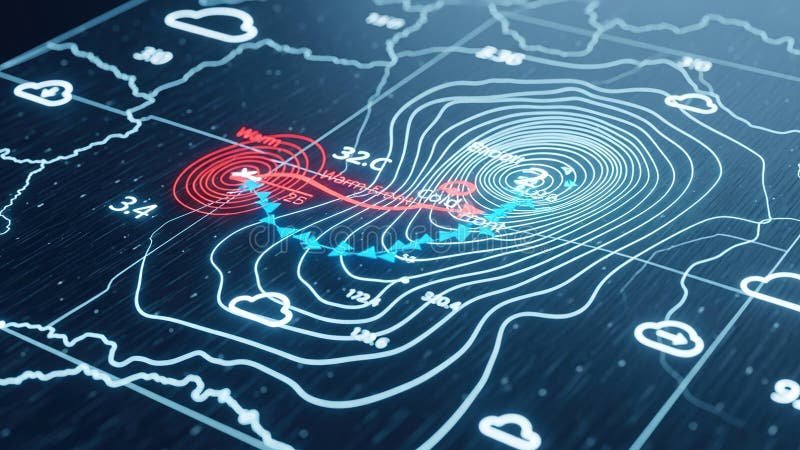
At its core, weather refers to the temporary and local conditions of the atmosphere at a specific place and time. Think of it as the atmosphere's mood right now, right here. It encompasses a range of phenomena including temperature, humidity, precipitation (rain, snow, hail), wind speed and direction, atmospheric pressure, and cloud cover. Unlike climate, which describes long-term atmospheric patterns, weather is about the immediate, often fleeting, state of the air around us. Just this past week, for instance, meteorologists with the National Weather Service have been issuing varying forecasts daily, highlighting this short-term variability.
Importance of Weather
Weather plays a crucial role in shaping our daily lives, from agriculture and transportation to recreation and tourism. Farmers depend on timely rainfall and suitable temperatures for their crops. Airlines adjust flight schedules based on wind and visibility. Our weekend plans often hinge on the forecast for sunny skies or rainy days. Beyond these everyday impacts, weather systems drive global ecosystems, distributing heat and moisture around the planet. Recent reports from the World Meteorological Organization continue to emphasize how crucial accurate weather forecasting is for disaster preparedness and economic stability worldwide.
Types of Weather: A Comprehensive Guide
The atmosphere presents us with an incredible array of conditions. While we often categorize them broadly, each type of weather brings its own characteristics and impacts.
Sunny Weather
Sunny weather is characterized by clear skies and warm temperatures, making it ideal for outdoor activities. The sun's radiant energy warms the Earth's surface, leading to pleasant conditions. While often associated with leisure and positive moods, even sunny weather requires awareness. Prolonged exposure to intense sunlight can lead to sunburn and heatstroke, especially in regions currently experiencing unseasonably high temperatures, like parts of Southeast Asia this week. It's a reminder that even "good" weather demands respect and proper precautions, such as hydration and sun protection.
Rainy Weather
Rainy weather is marked by precipitation and cloudy skies, which can significantly impact daily activities and transportation. Rain is vital for replenishing water sources, supporting agriculture, and cleansing the air. However, excessive or prolonged rainfall can lead to flash floods, landslides, and disruptions to infrastructure. Many areas are currently grappling with the aftermath of heavy spring rains, causing localized flooding and challenging commutes. Understanding local weather patterns and heeding flood warnings are critical during these times.
Snowy Weather
Snowy weather is characterized by low temperatures and precipitation in the form of ice crystals, making it ideal for winter sports and activities. Snowfall transforms landscapes, offering picturesque beauty and opportunities for skiing or snowboarding. Yet, it also brings challenges. Heavy snow can lead to power outages, treacherous driving conditions, and isolation for communities. While some regions are enjoying an early spring, others are still navigating the tail end of winter, with potential for late-season snowfalls that require careful preparation and adherence to safety guidelines.

How to Stay Safe During Severe Weather Conditions
Severe weather events, from powerful storms to extreme heatwaves, are a stark reminder of nature's raw power. Being prepared is not just advisable; it's essential for safety and survival.
Preparing for Severe Weather
Preparing for severe weather involves creating an emergency kit, staying informed through weather forecasts, and having a plan in place. This week's reports of intensifying heatwaves and ongoing flood recovery efforts underscore the urgency. Your emergency kit should include non-perishable food, water, a first-aid kit, flashlights, extra batteries, and any necessary medications. Develop a family communication plan and identify safe shelters, whether it's a designated safe room in your home or a community shelter. The National Weather Service provides invaluable resources and alerts that can be life-saving.
- Build an Emergency Kit: Include water, food, first-aid, flashlight, radio, extra batteries, and essential documents.
- Stay Informed: Monitor local weather forecasts through reliable sources like radio, TV, or official weather apps.
- Create a Family Plan: Discuss where to meet, how to communicate, and what to do in different severe weather scenarios.
- Know Your Evacuation Routes: Be aware of local evacuation plans and routes, especially if you live in a flood-prone or coastal area.
Staying Safe During Severe Weather
Staying safe during severe weather involves seeking appropriate shelter, avoiding travel if advised, and following evacuation orders. During a thunderstorm, stay indoors and away from windows. In a tornado warning, head to a basement or an interior room on the lowest floor. For floods, "turn around, don't drown" - never drive or walk through floodwaters. During heatwaves, stay hydrated, seek air-conditioned spaces, and check on vulnerable neighbors. Following the guidance from local authorities and entities like the National Weather Service is paramount. Their timely warnings, like those issued for recent severe thunderstorms across the central U.S., provide critical moments for action.
The Impact of Climate Change on Weather Patterns
The long-term shift in global temperatures and weather patterns, known as climate change, is increasingly influencing the frequency and intensity of weather events we experience today.
Causes of Climate Change
Climate change is primarily caused by human activities, such as burning fossil fuels (coal, oil, and gas) for energy, transportation, and industry, as well as deforestation. These activities release greenhouse gases like carbon dioxide and methane into the atmosphere. These gases trap heat, leading to a gradual warming of the planet. Scientific consensus, supported by extensive research, points to these anthropogenic factors as the dominant driver of observed changes. The ongoing weather patterns we're observing globally, including the unusually persistent heat in parts of Asia, are consistent with these long-term trends.
Effects of Climate Change on Weather
Climate change is leading to more frequent and severe weather events, such as heatwaves, droughts, and heavy rainfall. Warmer oceans contribute to more intense hurricanes and tropical storms. Shifting weather patterns can disrupt agricultural cycles, leading to food shortages. We're seeing this play out in real-time: recent extreme heat events are breaking records, while some regions face unprecedented droughts, and others grapple with more intense, short-burst rainfall leading to flash floods. Phenomena like El Niño and La Niña, natural climate patterns, are also being influenced, potentially amplifying or altering their traditional effects.
Expert-Style Opinion
The current global weather landscape, characterized by stark regional contrasts-from early heatwaves to persistent wet spells-serves as a potent reminder that our atmosphere is a complex, interconnected system. While natural cycles like the transition from a strong La Niña play a role, the underlying long-term trends driven by climate change are undeniably amplifying these phenomena. Proactive adaptation and mitigation strategies are no longer optional; they are essential for societal resilience in the face of increasingly volatile weather.
Benefits and Challenges of Weather
Weather, in its multifaceted nature, presents both indispensable benefits and significant challenges to life on Earth.
- Benefits:
- Life Sustenance: Rain nourishes crops and replenishes freshwater sources, essential for all life.
- Temperature Regulation: Wind and cloud cover help distribute heat, preventing extreme temperature buildups in local areas.
- Ecosystem Health: Seasonal changes driven by weather patterns are crucial for plant and animal life cycles, from migration to reproduction.
- Recreation and Economy: Sunny days boost tourism, snowy winters support winter sports, and specific wind conditions are vital for sailing and renewable energy.
- Challenges:
- Natural Disasters: Severe weather events like hurricanes, tornadoes, floods, droughts, and blizzards cause immense destruction, loss of life, and economic disruption.
- Agricultural Disruptions: Unpredictable weather patterns, including untimely frosts, excessive rain, or prolonged droughts, can devastate harvests.
- Infrastructure Damage: Extreme weather can damage roads, power grids, and buildings, leading to costly repairs and service interruptions.
- Health Risks: Heatwaves cause heatstroke, cold snaps lead to hypothermia, and air quality can deteriorate with certain weather conditions.
FAQs
Q: What is the difference between weather and climate?
A: Weather refers to the temporary and local conditions of the atmosphere at a specific place and time (e.g., "it's raining today"). Climate refers to the long-term average atmospheric conditions in a specific region, typically measured over 30 years or more (e.g., "this region has a tropical climate").
Q: How do I stay safe during severe weather?
A: To stay safe during severe weather, prepare an emergency kit, stay informed through weather forecasts from reliable sources like the National Weather Service, and have a plan in place for different scenarios (e.g., where to shelter during a tornado, how to evacuate during a flood).
People Also Ask
Q: What is the National Weather Service?
A: The National Weather Service (NWS) is a U.S. government agency responsible for providing weather forecasts, warnings, and other meteorological products to the public for the protection of life and property. It's a critical resource for staying informed during severe weather events.
Q: What is El Niño?
A: El Niño is a complex weather pattern that occurs when the surface temperature of the Pacific Ocean warms significantly more than average along the equator, particularly off the coast of South America. This warming influences global weather patterns, often leading to droughts in some parts of the world and floods in others. Its counterpart, La Niña, involves cooler-than-average Pacific Ocean temperatures and also has widespread atmospheric impacts.
Conclusion
The weather, a ceaseless ballet of atmospheric forces, profoundly shapes our world. From the gentle warmth of a sunny day to the destructive power of a hurricane, its influence is undeniable. As we navigate a future where climate change increasingly alters traditional weather patterns, understanding these complexities becomes more vital than ever. By staying informed through expert organizations like the National Weather Service, preparing diligently for severe conditions, and recognizing our collective role in addressing climate change, we can build more resilient communities and foster a deeper appreciation for the intricate dance of our atmosphere. Let us embrace this knowledge, not with fear, but with the empowerment to adapt and thrive, whatever the weather may bring.