Stay Safe: Your Comprehensive Guide to Weather Forecast Snow Storms
As of March 12, 2026, the possibility of severe winter weather remains a critical concern for many regions. While we cannot predict specific real-time events for a future date, understanding the mechanics of a weather forecast snow storm and how to prepare is timelessly vital. This comprehensive guide is designed to equip you with the knowledge and tools needed to navigate whatever winter throws your way, ensuring your safety and preparedness when a snow storm forecast looms large.
Understanding Snow Storm Weather Forecasts
When winter weather rolls in, a snow storm can bring significant challenges, from travel disruptions to power outages. Knowing what to expect and how to interpret forecasts is the first line of defense.
What is a Snow Storm?
At its core, a snow storm is a winter weather event characterized by heavy snowfall, often accompanied by strong winds, which can lead to reduced visibility and hazardous conditions. These storms form when cold air masses collide with moisture-laden air, causing precipitation to fall as snow rather than rain. The intensity and duration can vary greatly, impacting daily life in profound ways.
Types of Snow Storms: Blizzards, Snow Squalls, and Lake-Effect Snow
Not all snow storms are created equal. Different atmospheric conditions lead to distinct types of events, each with its own set of dangers and characteristics:
- Blizzards: These are the most severe type of snow storm, defined by the National Weather Service (NWS) as a storm with sustained winds or frequent gusts of 35 mph or greater, along with considerable falling or blowing snow, reducing visibility to less than 1/4 mile for at least three hours. Blizzards are extremely dangerous, often leading to whiteout conditions and making travel impossible.
- Snow Squalls: These are brief, intense bursts of heavy snowfall and strong, gusty winds, often accompanied by a sudden drop in temperature. Snow squalls can appear with little warning, rapidly creating hazardous driving conditions due to sudden whiteouts and slick roads. They typically last only a short time but can be incredibly dangerous during their duration.
- Lake-Effect Snow: This phenomenon occurs when cold air masses move across warmer lake waters. As the cold air picks up moisture and heat from the lake, it rises, condenses, and forms narrow bands of intense snow. Lake-effect snow can produce extremely localized, heavy snowfall rates, sometimes accumulating several inches per hour, even when areas just a few miles away receive little to no snow.
Staying Safe During a Snow Storm
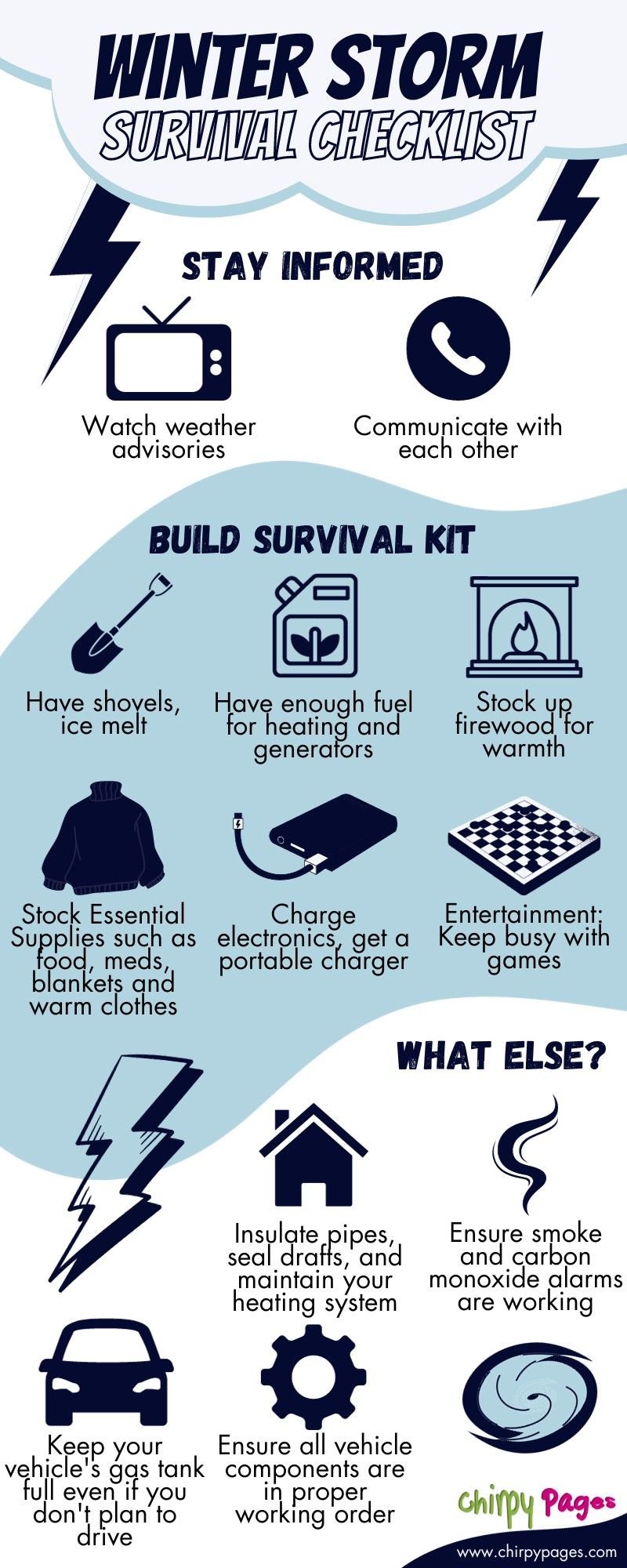
When a snow storm forecast is issued, your immediate focus should shift to safety. Proactive preparation is not just a recommendation; it's a critical component of surviving severe winter weather without incident.
Snow Storm Safety Tips: Preparation is Key
The key to staying safe is to have a plan and execute it before the storm hits. Here are vital tips:
- Stay Indoors: The safest place during a snow storm is inside your home. Avoid unnecessary travel. If you must go out, inform someone of your destination and expected return time.
- Dress in Layers: If you do need to venture outside, wear multiple layers of warm clothing, including a hat, gloves, and waterproof outerwear, to protect against frostbite and hypothermia.
- Conserve Heat: Close off unused rooms, put towels or blankets under doors, and keep curtains and blinds closed to retain heat.
- Be Mindful of Carbon Monoxide: If using alternative heat sources like a fireplace or generator, ensure proper ventilation and have a working carbon monoxide detector. Never use a generator indoors or in an attached garage.
- Check on Neighbors: Especially the elderly or those with medical conditions, who might need assistance.
- Avoid Overexertion: Shoveling heavy snow can be strenuous and lead to heart attacks. Take frequent breaks and avoid lifting too much at once. If possible, use a snow blower or ask for help.
Stock Up on Emergency Supplies, Plan for Alternative Heat Sources, and Stay Informed
These three pillars form the foundation of effective snow storm preparedness:
- Emergency Supplies: Ensure you have at least a 72-hour supply of food, water, and other essentials. This includes non-perishable food, bottled water (one gallon per person per day), a manual can opener, and any necessary medications.
- Alternative Heat Sources: Consider a safe, alternative heat source like a wood-burning fireplace (with ample firewood), a properly vented propane heater, or even extra blankets and sleeping bags. Always prioritize safety and ventilation.
- Stay Informed: Have multiple ways to receive weather updates, such as a battery-powered or hand-crank radio, and ensure your cell phone is fully charged.
Preparing for a Snow Storm
Preparation isn't just about reacting; it's about anticipating. A thorough snow storm preparation checklist can alleviate stress and ensure you have what you need when the unexpected happens.
Snow Storm Preparation Checklist: Essential Items to Have on Hand
Before the first snowflake falls, gather these critical items:
- Food & Water: Non-perishable foods (canned goods, dried fruits, granola bars), a manual can opener, and at least a 3-day supply of water for each person and pet.
- First Aid Kit: Fully stocked with bandages, antiseptic wipes, pain relievers, and any prescription medications.
- Communication: Battery-powered or hand-crank radio, extra batteries, fully charged cell phones, and portable chargers.
- Lighting: Flashlights, headlamps, and extra batteries. Avoid candles as they pose a fire risk.
- Warmth: Extra blankets, sleeping bags, warm clothing, hats, and gloves.
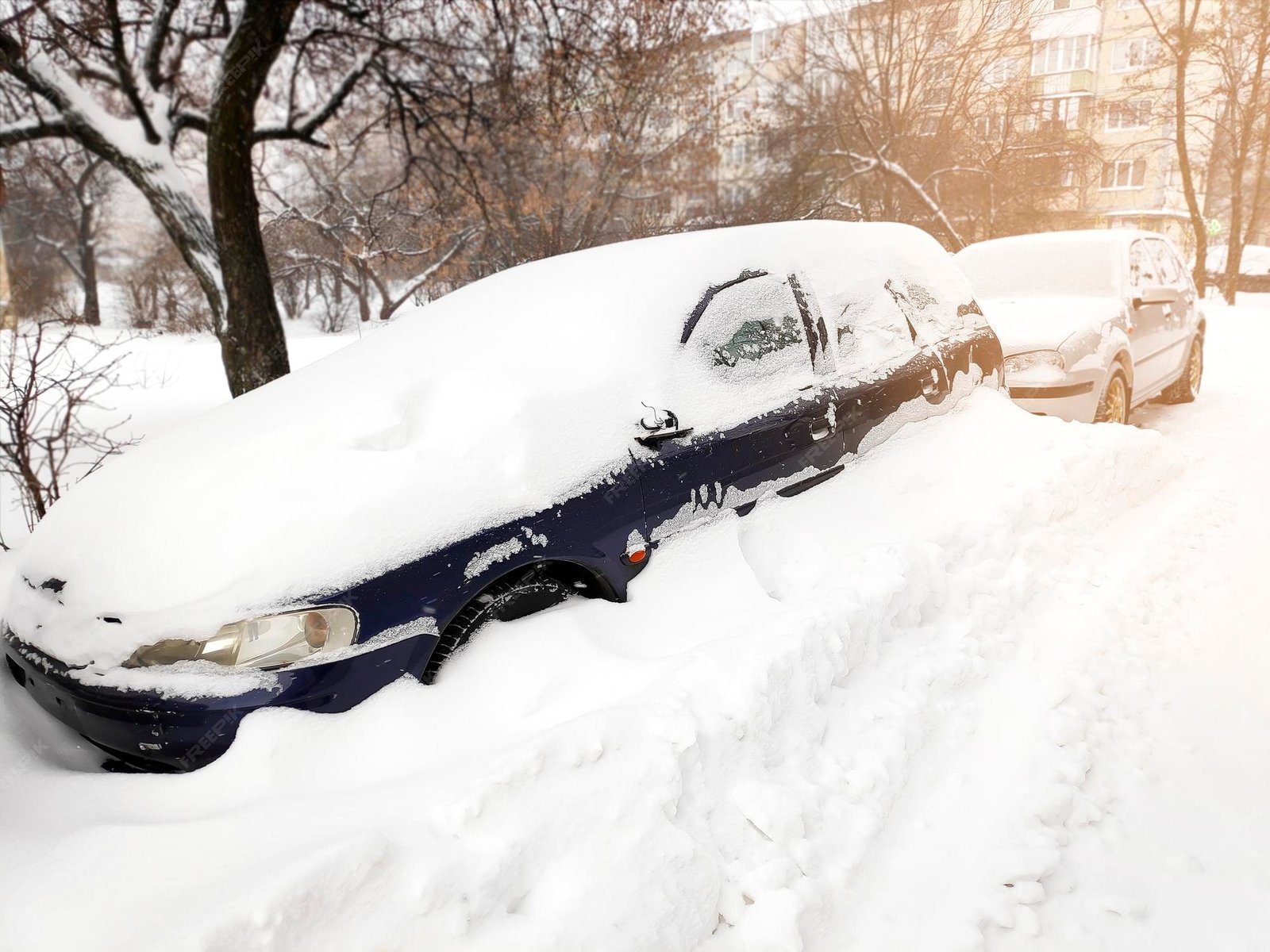
- Vehicle Preparedness: Keep your car's gas tank full, and have an emergency kit in your vehicle with blankets, jumper cables, a shovel, sand or kitty litter for traction, and a first-aid kit.
- Pet Supplies: Food, water, and any necessary medications for your furry friends.
Food, Water, First Aid, and Communication: Don't Forget These Essentials
These four categories are non-negotiable for your emergency kit. Think about how you would sustain yourself and communicate if power were out for several days. Having a well-thought-out plan for these essentials can make a significant difference in your comfort and safety during a prolonged storm.
Getting the Latest Weather Updates
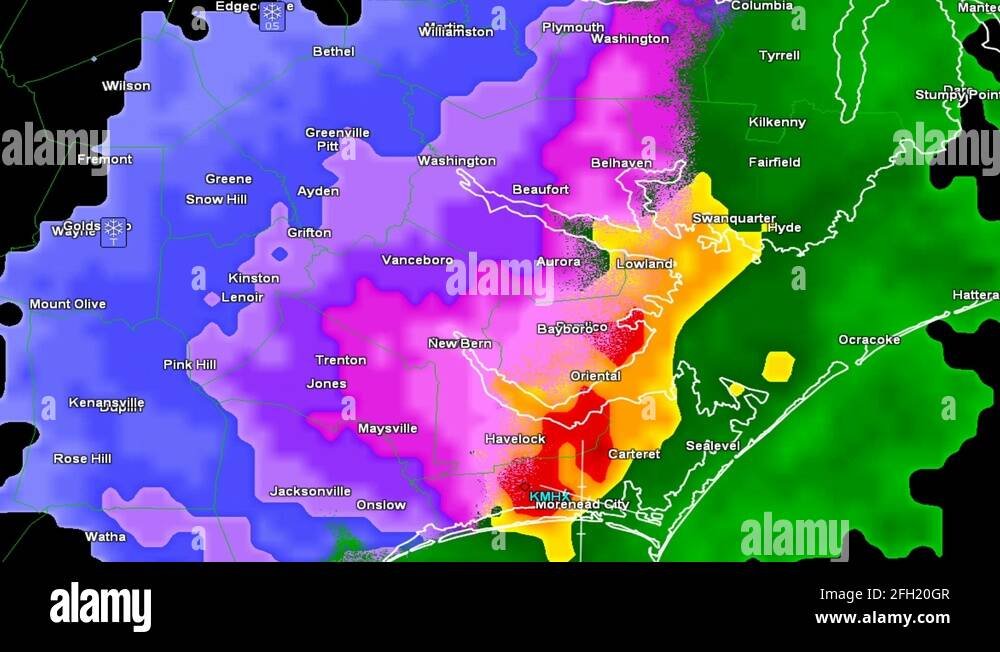
Accurate and timely information is your best friend during a weather forecast snow storm. Knowing where to turn for reliable updates is crucial for making informed decisions.
Weather Forecast Tools and Resources: Stay Informed with the Latest Snow Storm Forecasts
Don't rely on a single source. Cross-referencing information from official and reputable weather services ensures you get the most comprehensive picture of the unfolding snow storm forecast.
National Weather Service (NWS), Weather Underground, and AccuWeather: Your Go-To Sources for Weather Updates
- National Weather Service (NWS): As part of the National Oceanic and Atmospheric Administration (NOAA), the NWS is the official source for weather warnings, watches, and advisories in the United States. Their forecasts are highly accurate and provide critical information for public safety. You can access their detailed reports and radar directly from their website or through local NWS offices.
- Weather Underground: Known for its hyper-local forecasts and extensive network of personal weather stations, Weather Underground offers detailed, real-time data that can be invaluable for understanding conditions right in your neighborhood.
- AccuWeather: Providing global weather forecasts, AccuWeather is a popular choice for its long-range predictions and user-friendly interface. They offer detailed hourly and daily forecasts, as well as specific severe weather alerts.
Many local news channels and radio stations also provide excellent coverage, often with local meteorologists offering specific insights for your immediate area. Utilize weather apps on your smartphone, but ensure you have backup methods for receiving information if power or cellular service is disrupted.
Pros & Cons of Early Snow Storm Preparation and Information Gathering
While the benefits of preparing for a snow storm are undeniable, there are nuances to consider.
- Pros:
- Enhanced Safety: The primary benefit is significantly reducing risks of injury, hypothermia, or being stranded.
- Reduced Stress: Being prepared alleviates anxiety and allows for a calmer response to severe weather.
- Resource Availability: Early shopping for supplies ensures availability, avoiding last-minute rushes and empty shelves.
- Informed Decision-Making: Access to multiple, reliable weather forecasts allows for better planning regarding travel, work, and school.
- Cons:
- Potential for Over-Preparation: Sometimes forecasts change, and a predicted severe storm might not materialize, leading to unnecessary purchases or time spent.
- False Alarms (Rare but Possible): While official warnings are highly reliable, the exact intensity or path of a storm can shift, potentially causing some to feel they "overreacted."
- Cost: Stocking up on supplies can involve an upfront cost, though it's an investment in safety.
Frequently Asked Questions
Here are answers to common questions about snow storms and forecasts:
Q: What is a winter storm warning?
A: A winter storm warning is issued by the National Weather Service (NWS) when a snow storm is expected to bring significant snowfall and hazardous travel conditions, making travel very dangerous or impossible.
Q: How do I prepare for a snow storm?
A: Stock up on emergency supplies (food, water, first aid), plan for alternative heat sources, ensure communication methods are ready, and stay informed with the latest weather updates from official sources.
Q: What are the most common types of snow storms?
A: Blizzards, snow squalls, and lake-effect snow are the most common types of snow storms, each with distinct characteristics and hazards.
People Also Ask
Further insights into snow storm safety and terminology:
Q: What is the difference between a snow storm and a blizzard?
A: A snow storm is a general term for a winter storm that brings snowfall, while a blizzard is a specific, more severe type of snow storm characterized by sustained winds of at least 35 mph and visibility of less than 1/4 mile for an extended period (at least three hours).
Q: How do I stay safe during a snow storm?
A: Stay indoors, avoid unnecessary travel, keep emergency supplies on hand, dress in layers if you must go out, and continuously monitor official weather updates.
Q: What are the most common causes of snow storm-related injuries?
A: Slip and fall accidents on icy surfaces, car accidents due to slick roads and reduced visibility, and hypothermia or frostbite from prolonged exposure to cold are the most common causes of snow storm-related injuries.
Expert-Style Opinion: In an era of rapidly changing weather patterns, understanding and respecting the power of a snow storm forecast is paramount. Proactive preparation, informed by reliable sources like the NWS, is not just about comfort; it's a critical component of community resilience and personal safety. Prioritizing a well-stocked emergency kit and a clear communication plan can be the difference between a minor inconvenience and a serious hazard when winter weather strikes.
Conclusion
While we can't control the weather, we can control our response to it. By understanding the nuances of a winter weather safety tips, heeding official warnings, and diligently preparing our homes and families, we empower ourselves to face even the most challenging snow storm preparation checklist with confidence. Stay informed, stay prepared, and most importantly, stay safe this winter season. Your preparedness is the best forecast for your well-being.
Related Media
Quick View: Stay Safe: Your Comprehensive Guide to Weather Forecast Snow Storms