Understanding Weather Warnings: Staying Safe During Severe Weather Conditions
As regions across the globe brace for unpredictable and increasingly intense weather patterns, the importance of understanding weather warnings has never been more critical. Just this week, we've witnessed powerful weather systems bringing everything from severe thunderstorms and flash floods to unexpected heatwaves, underscoring the immediate need for every individual and family to be prepared. Knowing what a weather warning means, how it's issued, and what actions to take can be the difference between safety and disaster. This deep dive will equip you with the knowledge to navigate severe weather conditions confidently.
What are Weather Warnings?
A weather warning is an urgent alert issued by meteorological agencies, such as the National Weather Service (NWS) in the United States, to inform the public of severe weather conditions that are either imminent or already occurring. These warnings signify a direct threat to life and property, demanding immediate action to ensure safety. Unlike a "watch," which indicates that conditions are favorable for severe weather to develop, a "warning" means the danger is real and happening now.
Types of Weather Warnings
Weather warnings cover a broad spectrum of hazardous conditions. While we'll delve into specific categories like storms, floods, and heat, it's important to remember that warnings can also be issued for winter storms, extreme cold, coastal hazards, and more. Each type of warning carries specific implications and requires tailored responses.
How Weather Warnings are Issued
Weather warnings are the result of sophisticated forecasting models, radar observations, satellite imagery, and ground reports. Meteorologists at agencies like the NWS constantly monitor atmospheric conditions. When severe thresholds are met or observed, a warning is promptly issued. These alerts are disseminated through multiple channels to reach as many people as possible:
- Emergency Alert System (EAS): Broadcasts on radio and television.
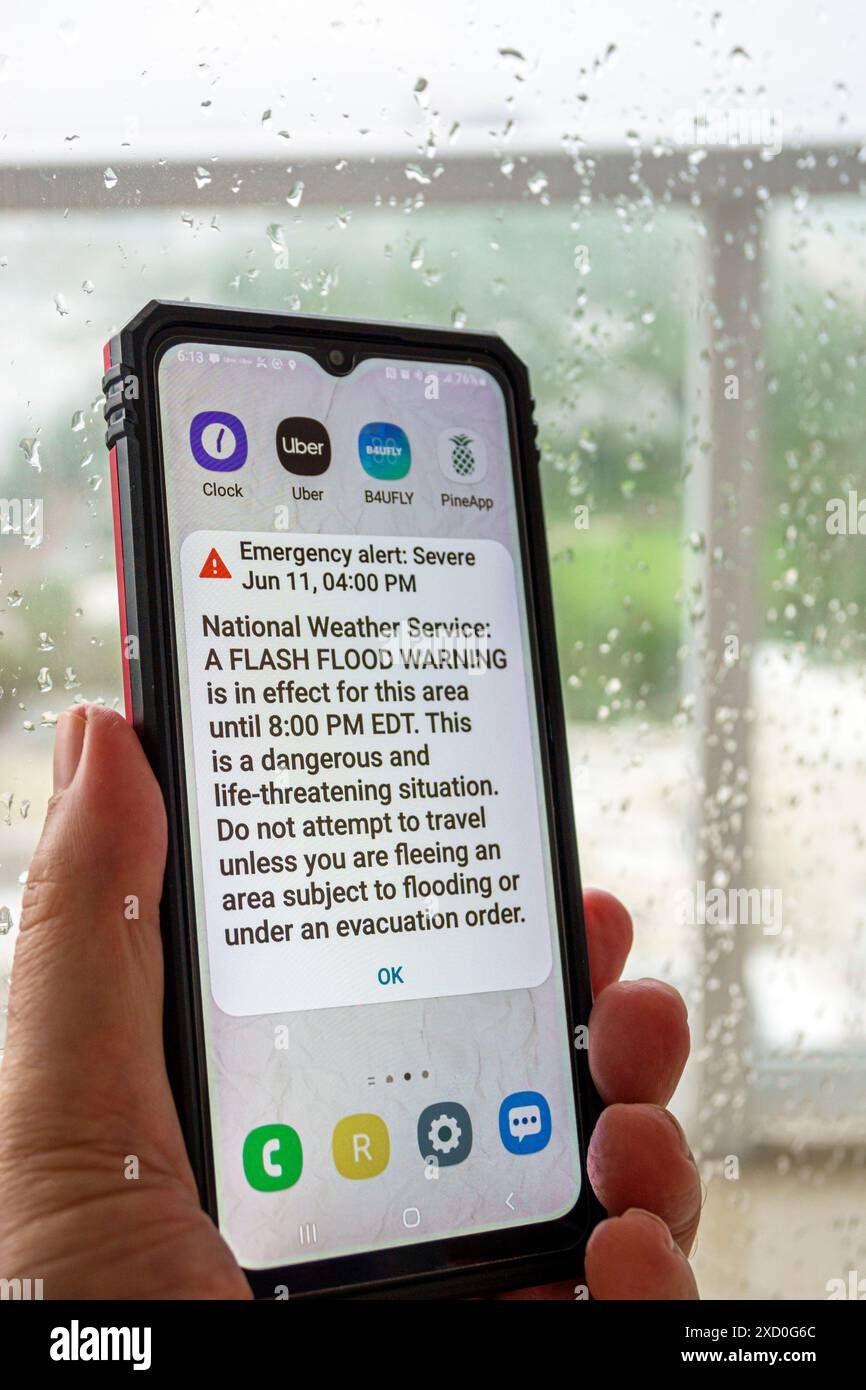
- Wireless Emergency Alerts (WEA): Text messages sent to mobile phones in affected areas.
- NOAA Weather Radio: A nationwide network broadcasting continuous weather information.
- Local News Media: TV, radio, and online news outlets.
- Weather Apps and Websites: Many digital platforms provide real-time alerts.
- Social Media: Official meteorological accounts often share warnings.
Staying connected through at least two of these methods is crucial for timely information.
Understanding Weather Warning Symbols
While specific symbols can vary slightly by region or app, most weather warning systems use universally recognized icons. A red or orange banner often signifies a warning, while yellow might indicate a watch. Visual cues like swirling arrows for tornadoes, lightning bolts for thunderstorms, and water droplets for floods are common. Familiarizing yourself with these symbols on your preferred weather app or news source can help you quickly grasp the nature of an alert.
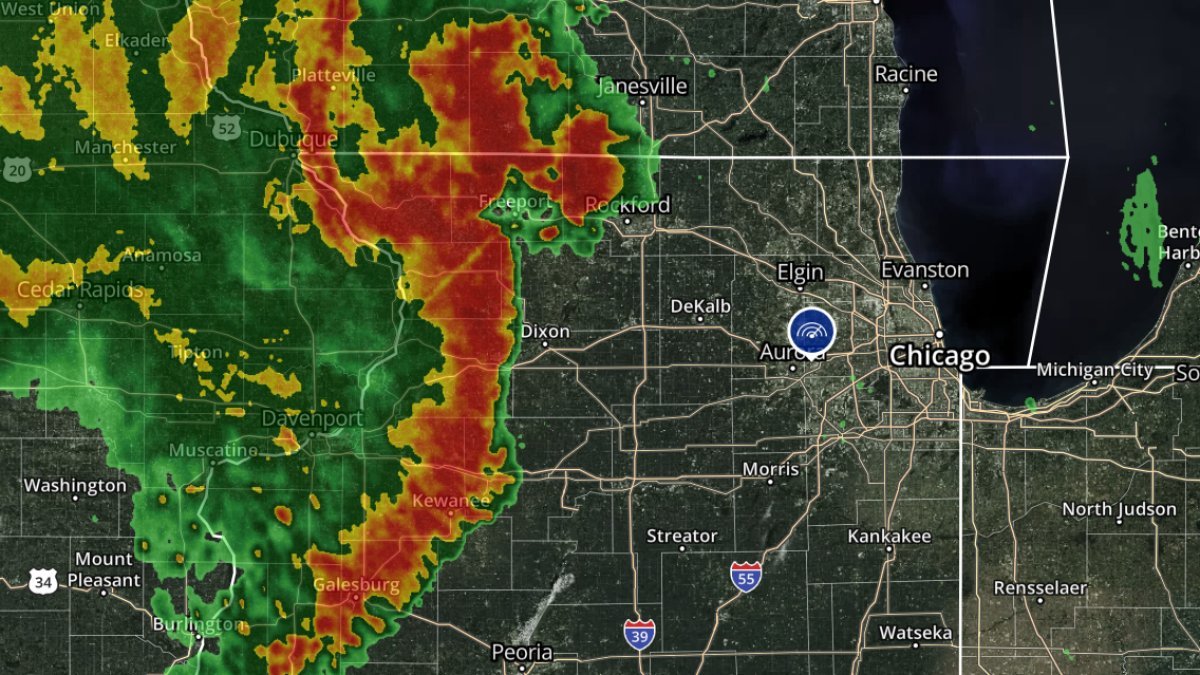
Types of Weather Warnings
Understanding the nuances of different warning types is key to appropriate action. Let's break down the most common categories you'll encounter.
Storm Warnings
Storm warnings are perhaps the most dynamic and urgent, often requiring immediate protective action. Recent reports from various regions have highlighted the speed with which these systems can develop, making quick responses essential.
Tornado Warnings
A **Tornado Warning** means a tornado has been sighted or indicated by weather radar. This is a life-threatening situation. If you are under a tornado warning, you must take immediate shelter, preferably in a basement, storm cellar, or an interior room on the lowest floor of a sturdy building, away from windows. Mobile homes or vehicles are not safe during a tornado. Just this week, communities in the central U.S. were reminded of the sudden destructive power of these events, with residents scrambling for safety as warnings were issued.
Thunderstorm Warnings
While less severe than a tornado warning, a basic **Thunderstorm Warning** indicates that thunderstorms are occurring or imminent, often bringing heavy rain, lightning, and strong winds. While not always requiring immediate shelter from structural damage, it's a call to seek cover indoors and avoid open areas due to the risk of lightning strikes.
Severe Thunderstorm Warnings
A **Severe Thunderstorm Warning** is issued when a thunderstorm is producing or is expected to produce wind gusts of 58 mph (93 km/h) or higher, or hail one inch (2.5 cm) in diameter or larger. These storms can cause significant damage to property, down trees, and create dangerous driving conditions. If a severe thunderstorm warning is issued for your area, move indoors to a sturdy building, stay away from windows, and secure loose outdoor objects.
Flood Warnings
With persistent rainfall and saturated grounds in many areas, flood warnings are a growing concern. The risks associated with rising water can be deceptive and extremely dangerous.
Flash Flood Warnings
A **Flash Flood Warning** signifies that a flash flood is occurring or is imminent. Flash floods are rapid rises in water levels, often occurring within hours of heavy rain or a dam break. They are incredibly dangerous, moving with surprising speed and force. Never drive or walk through flooded areas. "Turn around, don't drown" is the critical mantra here, as even a few inches of moving water can sweep a vehicle away. Recent localized deluges have prompted numerous flash flood warnings, catching many off guard.
Flood Watch
A **Flood Watch** means conditions are favorable for flooding to occur. It's a heads-up to be prepared and stay informed. You should monitor weather conditions, secure your property, and be ready to move to higher ground if a warning is issued.
Flood Warning
A **Flood Warning** means flooding is occurring or will occur soon. This is a serious alert requiring immediate action. If you are in a flood-prone area, evacuate to higher ground as instructed by local authorities. Be aware of rising water levels and avoid flooded roads and bridges.
Heat Warnings
As spring transitions towards summer in many parts of the world, heat-related warnings are becoming more prevalent. The dangers of extreme heat are often underestimated but can be just as deadly as other severe weather events.
Heat Wave Warnings
A **Heat Wave Warning** typically indicates a prolonged period of abnormally hot weather, often accompanied by high humidity. These conditions can lead to heat-related illnesses, especially for vulnerable populations like the elderly, young children, and those with chronic health conditions.
Excessive Heat Warnings
An **Excessive Heat Warning** is issued when the heat index (what the temperature feels like to the human body when relative humidity is combined with the air temperature) is expected to reach dangerously high levels, posing a significant risk of heat exhaustion or heatstroke. During such warnings, it's crucial to stay hydrated, seek air-conditioned environments, and limit strenuous outdoor activities.
Heat Index Warnings
Similar to excessive heat warnings, **Heat Index Warnings** specifically highlight the "feels like" temperature, which can be much higher than the actual air temperature due to humidity. These warnings serve as a direct indicator of how the body perceives and reacts to the heat, guiding people to take precautions against heat-related illnesses.
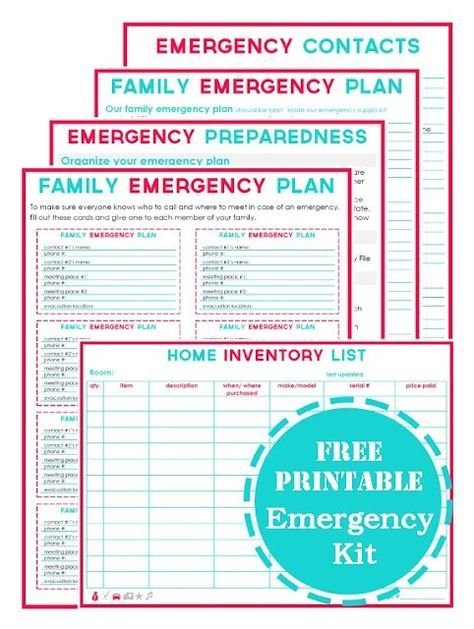
Preparing for Severe Weather
Proactive preparation is your best defense against the unexpected. With the dynamic weather patterns we're experiencing, being ready is not just an option, it's a necessity.
Emergency Preparedness Plan
Every household should have a clear, actionable emergency preparedness plan. This isn't just for major disasters; it's for any severe weather event that might disrupt your daily life.
Creating a Family Emergency Plan
Your family emergency plan should include:
- Communication Strategy: How will you contact each other if separated? Designate an out-of-state contact person for family members to check in with.
- Meeting Points: Establish a safe meeting place outside your home and a secondary one outside your neighborhood.
- Evacuation Routes: Know multiple ways out of your home and neighborhood, especially if you live in a flood-prone or coastal area.
- Specific Roles: Assign responsibilities to family members, such as grabbing the emergency kit or securing pets.
Practice your plan regularly, especially with children, so everyone knows what to do in an emergency.
Building a Disaster Supply Kit
A well-stocked disaster supply kit is essential. It should contain enough supplies to last at least 72 hours, ideally longer. Key items include:
- Water (one gallon per person per day)
- Non-perishable food
- First-aid kit and essential medications
- Flashlight and extra batteries
- Whistle to signal for help
- Dust mask, plastic sheeting, and duct tape
- Wrench or pliers to turn off utilities
- Manual can opener for food
- Local maps
- Battery-powered or hand-crank radio (NOAA Weather Radio is ideal)
- Cell phone with chargers and a backup power bank
- Pet supplies (food, water, leash, carrier)
- Important documents (copies of insurance policies, identification, bank records)
Store your kit in an easily accessible location and check it periodically to replace expired items.
Staying Informed About Weather Conditions
This is perhaps the most crucial ongoing step. Utilize multiple sources for weather information. Sign up for local emergency alerts, download a reliable weather app, and tune into local news channels. Agencies like the National Weather Service (NWS) are constantly updating forecasts and warnings, so regular checks are vital.
Staying Safe During Severe Weather
When warnings are issued, your actions can directly impact your safety and the safety of those around you.
Weather Safety Tips
These practical tips are designed to guide your response during specific severe weather events.
Seeking Shelter During a Storm
- Tornado: Go to the lowest level of your home (basement, storm cellar) or an interior room away from windows. Cover your head and neck.
- Severe Thunderstorm: Move indoors immediately. Stay away from windows and electrical appliances. Avoid taking baths or showers during a storm.
- High Winds: Stay indoors. If outside, find the lowest possible ground and lie flat.
Remember, mobile homes and vehicles offer little protection during strong winds or tornadoes; seek a community shelter or sturdy building.
Avoiding Flooded Areas
This cannot be stressed enough: **never drive or walk through flooded roads or standing water.** Even shallow water can hide dangerous debris, strong currents, or damaged infrastructure. Six inches of moving water can knock an adult off their feet, and 12 inches can sweep away most cars. If you encounter a flooded road, turn around, don't drown.
Staying Hydrated During a Heat Wave
During excessive heat warnings, proactive measures are vital:
- Drink plenty of fluids, even if you don't feel thirsty. Avoid sugary drinks, alcohol, and caffeine.
- Stay in an air-conditioned environment as much as possible. If you don't have AC, seek out public cooling centers.
- Wear light, loose-fitting clothing.
- Take cool showers or baths.
- Limit strenuous outdoor activities, especially during the hottest parts of the day.
- Check on vulnerable family members, neighbors, and pets.
Recognize the signs of heat exhaustion (heavy sweating, weakness, dizziness) and heatstroke (hot, red, dry or moist skin, rapid pulse, confusion) and seek medical attention immediately if symptoms appear.
Resources for Weather Safety
Reliable information is your most valuable asset during severe weather. Know where to turn for accurate, up-to-the-minute updates.
National Weather Service (NWS)
The National Weather Service (NWS) is the primary source for weather warnings and forecasts in the United States. Its mission is to provide "weather, water, and climate data, forecasts and warnings for the protection of life and property."
NWS Weather Forecast
The NWS provides detailed and localized weather forecasts, available through their website (weather.gov), NOAA Weather Radio, and various third-party weather apps that source their data from the NWS. Regularly checking these forecasts helps you stay ahead of potential severe weather.
NWS Weather Alerts
Beyond general forecasts, the NWS issues all official watches, warnings, and advisories. These NWS weather alerts are critical for immediate action. You can sign up for alerts directly from weather.gov or through local emergency management agencies.
NWS Emergency Preparedness
The NWS, often in collaboration with entities like the Federal Emergency Management Agency (FEMA) and the American Red Cross, provides extensive resources on emergency preparedness. Their websites offer guides, checklists, and educational materials to help individuals and communities prepare for various hazards.
Expert-Style Opinion: In an era of escalating climate variability, the effectiveness of weather warning systems is paramount. While technology has dramatically improved our ability to forecast and disseminate alerts, the ultimate responsibility for safety lies with individuals. A robust system of warnings, coupled with an informed and prepared public, forms the bedrock of community resilience against the growing threat of severe weather.
FAQs
Q: What is a weather warning?
A: A weather warning is an alert issued by the National Weather Service (NWS) to inform the public of severe weather conditions that pose a threat to life and property.
Q: How do I stay informed about weather conditions?
A: You can stay informed about weather conditions by signing up for emergency alerts from your local government, following weather forecasters on social media, and downloading weather apps on your smartphone.
Q: What should I do during a severe weather event?
A: During a severe weather event, you should seek shelter in a safe location, stay away from windows and doors, and follow the instructions of local authorities.
People Also Ask
Q: What is the difference between a watch and a warning?
A: A watch is an alert issued by the National Weather Service (NWS) to inform the public of potential severe weather conditions, while a warning is an alert issued to inform the public of severe weather conditions that are imminent or already occurring.
Q: How do I prepare for a hurricane?
A: To prepare for a hurricane, you should create a family emergency plan, build a disaster supply kit, and stay informed about weather conditions through local news and weather forecasters.
Q: What should I do during a tornado?
A: During a tornado, you should seek shelter in a safe location, such as a basement or storm cellar, and stay away from windows and doors.
Conclusion
The world's weather is becoming increasingly dynamic and, at times, more extreme. As we've seen just this week, severe weather can strike with little warning, making preparedness not just a recommendation but a necessity. By understanding the different types of weather warnings, creating a comprehensive emergency plan, and staying informed through reliable sources like the National Weather Service, you empower yourself and your loved ones to face severe weather with confidence. Your actions during a warning can save lives, including your own. Take the time today to prepare; it's an investment in your safety and peace of mind.
Related Media
Quick View: Understanding Weather Warnings: Staying Safe During Severe Weather Conditions