
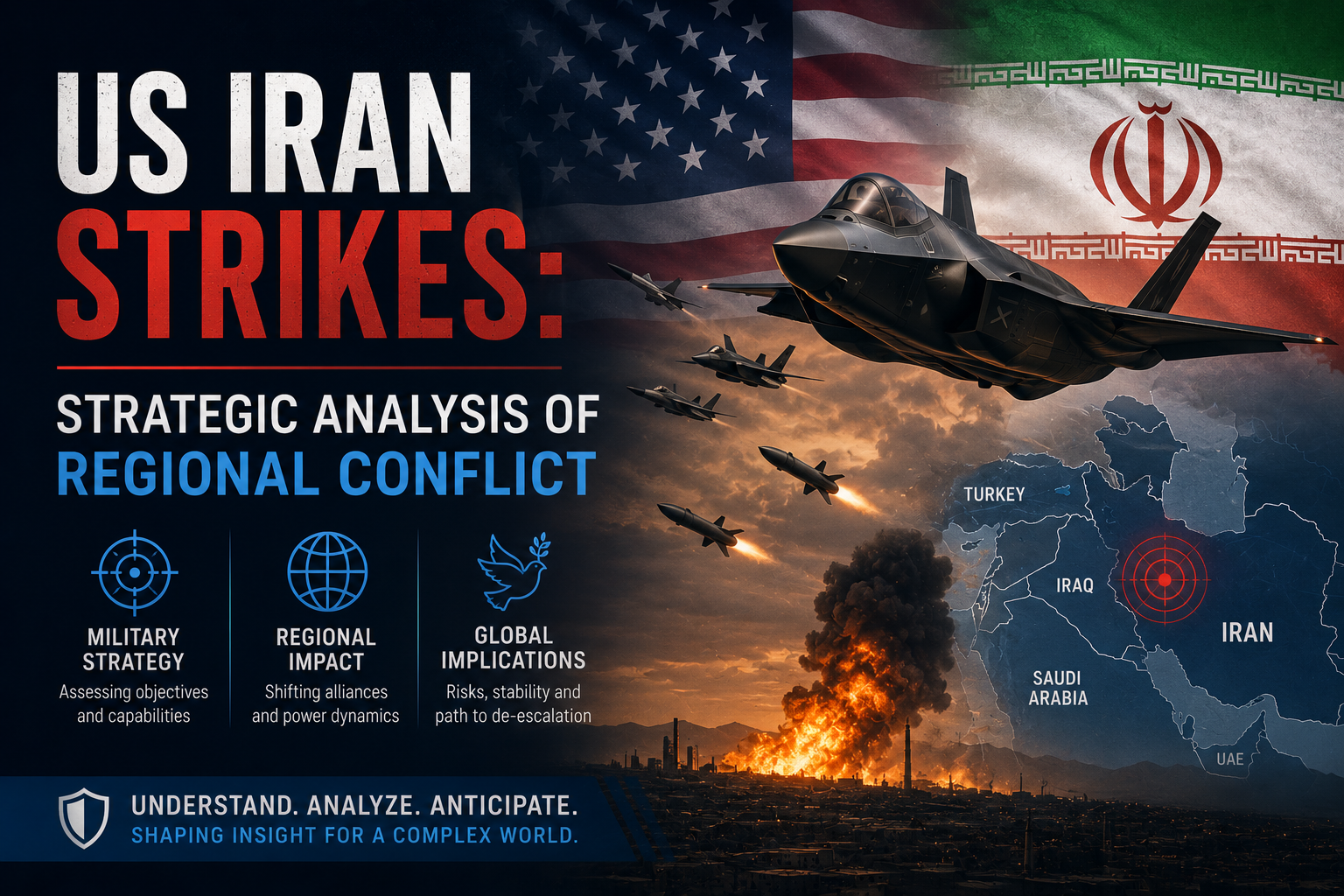
💡 US Iran Strikes: Strategic Analysis of Regional Conflict
A comprehensive strategic analysis of US-Iran military strikes, examining geopolitical implications, proxy warfare, and global economic consequences.
Executive Summary
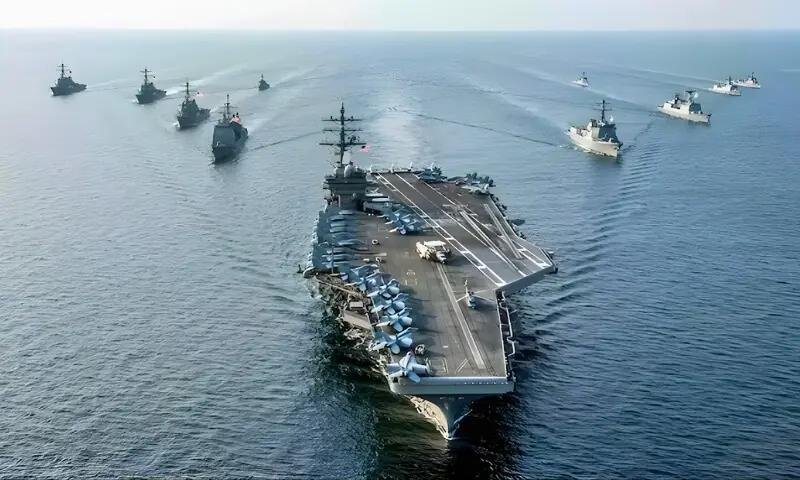
The geopolitical landscape of the Middle East has undergone a radical transformation as military engagements between the United States and Iranian-linked entities intensify. Since October 2023, United States Central Command (CENTCOM) has recorded over 170 attacks on U.S. and coalition forces in Iraq, Syria, and the Red Sea. This strategic analysis examines the shift from shadow warfare to overt kinetic action, the role of the Islamic Revolutionary Guard Corps (IRGC), and the broader implications for global trade and energy security. Key data highlights include a 15 percent increase in regional maritime insurance premiums and the deployment of advanced carrier strike groups to reinforce deterrence. This report provides an authoritative overview of the tactical maneuvers and strategic objectives defining this era of high-stakes confrontation.
Introduction: The New Era of Deterrence
The ongoing cycle of US Iran strikes represents more than just a series of isolated military incidents. It is the manifestation of a deep-seated strategic rivalry that has moved beyond diplomatic posturing into the realm of direct and indirect military confrontation. For decades, the relationship between Washington and Tehran was defined by economic sanctions and proxy competition. However, recent escalations have forced a recalibration of U.S. defense policy in the region. The primary objective of the United States is to re-establish deterrence without triggering a full-scale regional war, a delicate balancing act that requires precise intelligence and calibrated kinetic responses.
Global policy shifts often mirror a strategic analysis of global policy trends, where border security and regional integrity become paramount. In the context of the Middle East, this integrity is challenged by non-state actors and state-sponsored militias that operate across sovereign borders. Understanding the mechanics of these strikes requires an examination of the technological, economic, and political factors at play.
THE DEEP DIVE: Analyzing the Mechanics of Conflict
1. The Architecture of Proxy Warfare
Iran utilizes a strategy often referred to as the Ring of Fire, which involves supporting a network of allied groups including Hezbollah in Lebanon, various militias in Iraq and Syria, and the Houthi movement in Yemen. This asymmetric approach allows Tehran to exert influence and pressure the United States and its allies while maintaining a degree of plausible deniability. The U.S. response has increasingly targeted the command-and-control centers of these groups, as well as IRGC facilities that provide logistical and intelligence support.
According to reports from the International Institute for Strategic Studies (IISS), the proliferation of low-cost drone technology has leveled the playing field for these proxy groups. One-way attack munitions, often costing less than 20,000 dollars, are being used to challenge multi-million dollar defense systems. This shift in the cost-exchange ratio is a primary concern for Pentagon planners who must manage the sustainability of long-term maritime and base defense operations.
2. Maritime Security and Global Trade
The Red Sea corridor, which handles approximately 12 percent of global trade and 30 percent of global container traffic, has become a central theater of conflict. Houthi attacks on commercial shipping, purportedly in response to regional tensions, have led to the launch of Operation Prosperity Guardian by the United States and its partners. US Iran strikes in this context are designed to degrade the capabilities of groups threatening the Freedom of Navigation.
Data from the International Monetary Fund (IMF) suggests that shipping volume through the Suez Canal dropped by nearly 50 percent in early 2024 due to these security concerns. The resulting increase in freight costs and delivery times has a direct impact on global inflation. Investors monitoring these geopolitical risks often adjust their portfolios using dividend yield strategies: a strategic financial analysis to hedge against energy sector volatility and market uncertainty.
3. Technological Warfare and Cyber Dimensions
The conflict is not limited to physical strikes. It extends into the digital and electromagnetic spectrums. The United States has utilized cyber operations to disrupt the intelligence-sharing capabilities used by Iranian-linked groups to target shipping. Conversely, Iranian-affiliated hacking groups have targeted U.S. infrastructure and private sector entities. In this environment, the security of enterprise communication is critical. Organizations often rely on a strategic analysis of enterprise dominance to understand how major platforms maintain resilience against state-sponsored cyber threats.
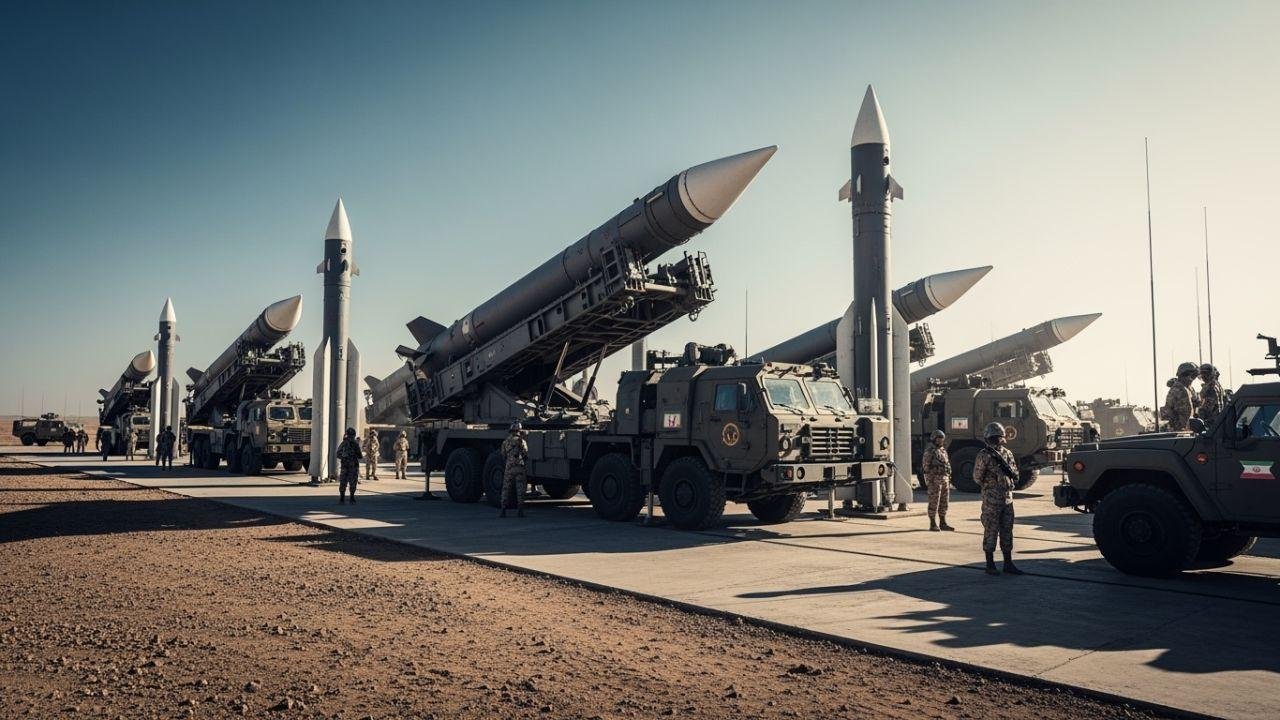
The use of Artificial Intelligence (AI) in target identification and missile defense is another critical factor. The U.S. military is deploying AI-driven systems to process vast amounts of sensor data, allowing for faster response times against incoming threats. This technological edge is vital for protecting high-value assets and personnel in high-threat environments.
WHAT THIS MEANS FOR YOU
For the general public and business leaders, the US Iran strikes have several direct and indirect consequences:
- Energy Prices: Tensions in the Strait of Hormuz, where 20 percent of global oil consumption passes, can lead to sudden spikes in gasoline and heating oil prices.
- Supply Chain Disruptions: Delays in shipping can affect the availability of consumer electronics, automotive parts, and apparel, potentially leading to higher retail prices.
- Global Stability: Continued escalation can lead to increased migration flows and regional instability, which impacts international relations and travel safety.
- Market Volatility: Geopolitical shocks often lead to fluctuations in the stock market, particularly in the defense, energy, and transportation sectors.
Expert Verdict / Future Outlook
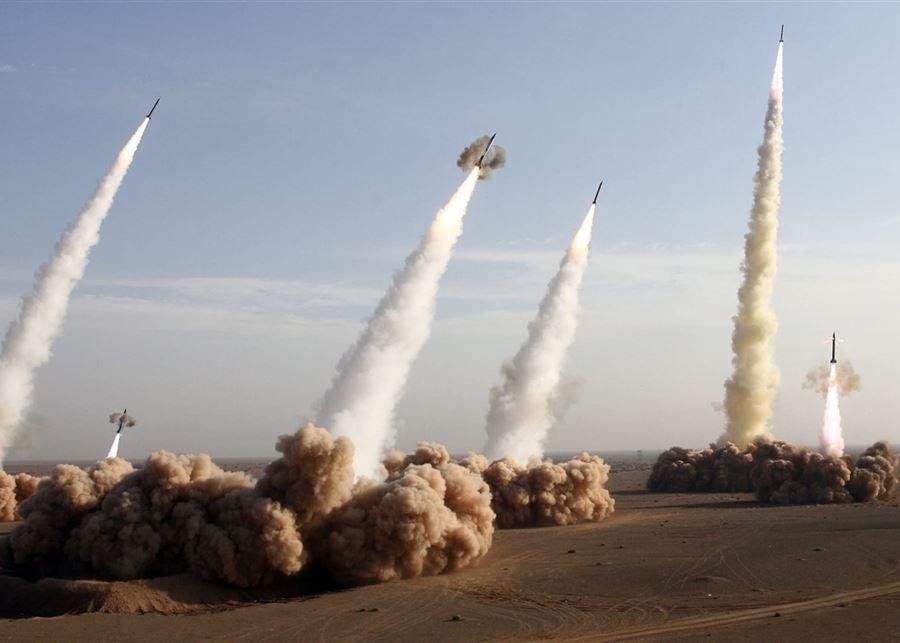
The current trajectory suggests a period of sustained, low-to-medium intensity conflict rather than a swift resolution. Expert consensus from the Council on Foreign Relations (CFR) indicates that neither the United States nor Iran currently desires a direct, total war. However, the risk of miscalculation remains high. As both sides continue to test red lines, the possibility of an accidental escalation increases. The future outlook depends heavily on diplomatic backchannels and the ability of the U.S. to maintain a coalition of partners committed to regional stability. We expect to see a continued emphasis on precision strikes and enhanced missile defense deployments across the Middle East through 2025 and 2026.
FAQ: Authoritative Insights
What is the primary goal of US Iran strikes?
The primary goal is to degrade the military capabilities of Iranian-linked groups and to deter future attacks on U.S. personnel and international shipping. The U.S. seeks to maintain regional stability and protect vital trade routes without engaging in a full-scale war.
How do these strikes impact the price of oil?
Strikes typically create a risk premium in oil markets. If the conflict threatens the Strait of Hormuz or major production facilities, prices can rise sharply. However, global supply cushions and increased production in the Western Hemisphere can sometimes mitigate these spikes.
Are these strikes authorized by international law?
The United States typically cites the right to self-defense under Article 51 of the UN Charter when conducting retaliatory strikes. These actions are framed as necessary responses to ongoing attacks against U.S. forces and sovereign interests.
What role do drones play in this conflict?
Drones are a central component of modern asymmetric warfare. They are used for both reconnaissance and as precision-guided weapons. Their low cost and ease of deployment make them a preferred tool for proxy groups, necessitating advanced electronic warfare and kinetic defense solutions from the U.S. military.
Can diplomacy resolve the current cycle of strikes?
Diplomacy remains a critical tool, but it is currently hampered by deep-seated ideological differences and regional power struggles. While direct negotiations are rare, third-party mediators often facilitate communication to prevent total escalation.
Conclusion: Strategic Takeaway
The US Iran strikes are a symptom of a broader strategic realignment in the Middle East. For the United States, the challenge lies in projecting power and protecting interests in an environment defined by asymmetric threats and technological parity in specific areas. For the global community, the conflict serves as a reminder of the fragility of international trade and the interconnected nature of modern security. Success in this theater will not be measured by total military victory, but by the ability to manage risk, maintain deterrence, and prevent a localized conflict from becoming a global catastrophe. Monitoring these developments through a lens of strategic analysis is essential for navigating the complexities of the current geopolitical era.





Comments 0
Leave a Reply
Your email address will not be published. Required fields are marked *
Be the first to share your thoughts!