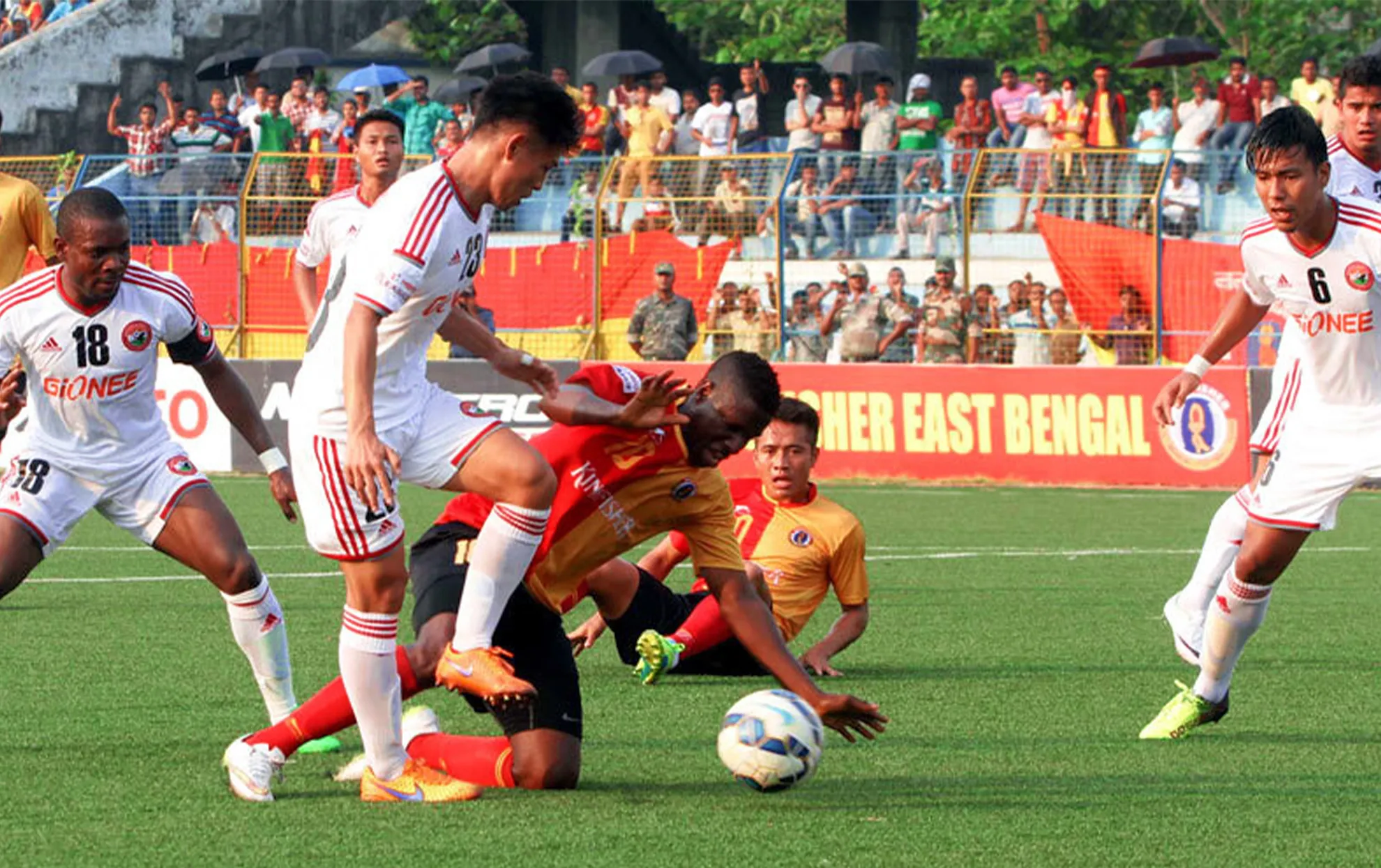
The Significance of the Chanmari vs Shillong Lajong Rivalry
In the landscape of Indian football, the Northeast region serves as the primary heartbeat of talent and passion. Among the many clubs that define this region, the matchup between Chanmari FC and Shillong Lajong FC stands as a testament to the tactical evolution and cultural depth of the sport. This is not merely a game between two clubs; it is a clash of two distinct footballing philosophies representing the states of Mizoram and Meghalaya. According to regional sports analysts, these encounters often dictate the momentum of talent scouting for the national team, as scouts from the Indian Super League (ISL) frequently monitor these high-stakes fixtures.
Understanding the dynamics between Chanmari FC and Shillong Lajong requires a look beyond the scoreboard. It involves analyzing how community-driven models in Aizawl compete against the professionalized, academy-centric structures in Shillong. For fans and students of the game, this rivalry offers a masterclass in how local talent can be nurtured to compete at a national level without relying heavily on expensive foreign acquisitions. [Link to: Indian Football Grassroots Development]

Chanmari FC: The Pride of Mizoram and the Mizo Model
Chanmari FC, based in Aizawl, represents the community-centric approach that has made Mizoram a powerhouse in Indian football. The club has consistently focused on technical fluidity and quick transitions. Experts suggest that the Mizo style of play is characterized by low centers of gravity, exceptional ball control, and a high-pressing game that exhausts opponents who are not used to the high altitude of the region.
The club success is deeply rooted in the Mizoram Premier League (MPL), where it has established itself as a dominant force. Unlike many other clubs, Chanmari FC relies heavily on its local scouting network, which spans across the various districts of Mizoram. This organic growth model ensures that the players share a deep cultural bond, leading to better on-field chemistry. Technical reports from the All India Football Federation (AIFF) have often highlighted Chanmari as a blueprint for state-level clubs looking to achieve national prominence through systematic youth progression.

Shillong Lajong FC: The Pioneers of Professionalism
Shillong Lajong FC holds a special place in history as the first club from the Northeast to qualify for the I-League. Known as The Reds, the club revolutionized how professional football is managed in the region. Their approach is built on a robust academy system that scouts talent from across the entire Northeast, not just Meghalaya. According to industry reports, Lajong was one of the first Indian clubs to implement a full-time residential academy with a focus on holistic player development, including education and nutrition.
Tactically, Shillong Lajong often employs a more structured and physical approach compared to their Mizo counterparts. They focus on wide play, utilizing the pace of their wingers to stretch the opposition defense. Their ability to produce top-tier talent is evidenced by the dozens of Lajong academy graduates currently playing in the ISL. The club emphasis on professional discipline and long-term planning has made them a benchmark for sustainability in a volatile sporting economy. [Link to: Professional Football Academy Structures in India]
Tactical Comparison: Flair vs. Structure
When Chanmari FC and Shillong Lajong face off, the tactical battle is usually the highlight. Chanmari often utilizes a 4-3-3 or a 4-2-3-1 formation, focusing on short, intricate passes through the middle. Their players are encouraged to take risks and engage in one-on-one situations. In contrast, Shillong Lajong typically maintains a more rigid 4-4-2 or 4-1-4-1 setup, prioritizing defensive solidity and rapid counter-attacks. Technical analysts observe that the outcome of these matches often depends on which team controls the midfield transition phase.
The role of the defensive midfielder is crucial in this matchup. For Chanmari, this player acts as a deep-lying playmaker, while for Lajong, the role is often more about breaking up play and providing a screen for the back four. This contrast in styles makes every encounter a tactical puzzle for the respective coaching staffs. As per recent industry reports, the tactical flexibility shown by these clubs has contributed significantly to the overall improvement of the I-League and other regional competitions.
Impact on the Indian National Team
The rivalry between Chanmari and Shillong Lajong has served as a fertile ground for the Indian National Team. Players who have honed their skills in these high-pressure regional derbies often find it easier to adapt to the rigors of international football. The mental toughness required to play in front of thousands of passionate fans in Aizawl or Shillong prepares youngsters for the big stage. Experts suggest that the Northeast pipeline, fueled by clubs like these, will continue to provide the backbone of the national squad for the foreseeable future.
Key areas where these clubs have contributed include the development of agile wingers and technically sound midfielders. The emphasis on ball retention at a young age ensures that players graduating from these systems are comfortable under pressure. This has been a significant shift from the traditional long-ball tactics that were prevalent in Indian football decades ago.
Common Mistakes in Analyzing the Rivalry
One common mistake observers make is attributing the success of these clubs solely to the natural talent of Northeast Indian players. While talent is abundant, it is the systematic coaching and organizational structure that turn raw potential into professional excellence. Another error is underestimating the tactical sophistication of these teams, assuming they play a purely instinctive game. In reality, both clubs employ data-driven scouting and performance analysis to stay competitive.
Furthermore, many outsiders fail to recognize the financial challenges these clubs overcome. Operating in geographically isolated regions with limited corporate sponsorship requires immense dedication from the management. Understanding these logistical hurdles is essential to appreciating the level of football produced by Chanmari and Lajong.

Pro Tips for Aspiring Players in the Region
- Focus on Technical Basics: Both clubs prioritize players with excellent first touches and passing accuracy. Spend time mastering ball control in tight spaces.
- Understand Tactical Roles: Modern football requires players to be versatile. Study how Chanmari and Lajong players switch roles during the game.
- Physical Conditioning: The high-altitude environment of the Northeast demands exceptional cardiovascular fitness. Tailor your training to include high-intensity interval training (HIIT).
- Academic Balance: Clubs like Shillong Lajong value educated players who can understand complex tactical instructions. Do not neglect your studies.
- Video Analysis: Record your matches and compare your movements with professional players from these clubs to identify areas for improvement.
Frequently Asked Questions
1. Which club has a better youth academy, Chanmari or Shillong Lajong?
Both academies are excellent but have different focuses. Shillong Lajong has a more established pan-Northeast scouting network and residential facilities, while Chanmari FC is highly specialized in nurturing Mizo talent through the local community system.
2. Do these clubs play in the Indian Super League?
Currently, both clubs primarily compete in the I-League or their respective state leagues. However, they act as major feeder clubs for ISL franchises, with many of their players moving to the top tier every season.
3. What is the typical playing style of Chanmari FC?
Chanmari FC is known for a possession-based, attacking style of football. They rely on quick, short passes and technical skill to break down defenses, often referred to as the Mizo style of play.
4. How can a player join the Shillong Lajong academy?
Shillong Lajong conducts annual trials across various states in the Northeast. Interested players should follow official club announcements for trial dates and age-group requirements.
5. Why is the rivalry between these two clubs so intense?
The intensity stems from the regional pride of Mizoram and Meghalaya. As the two most successful footballing states in the Northeast, every match is a battle for regional supremacy and bragging rights.





Comments 0
Leave a Reply
Your email address will not be published. Required fields are marked *
Be the first to share your thoughts!