💡 The Clásico Joven: A Comprehensive Guide to the Club América vs. Cruz Azul Rivalry
Explore the history, cultural significance, and legendary matches of the Clásico Joven, the intense Mexico City derby between Club América and Cruz Azul.
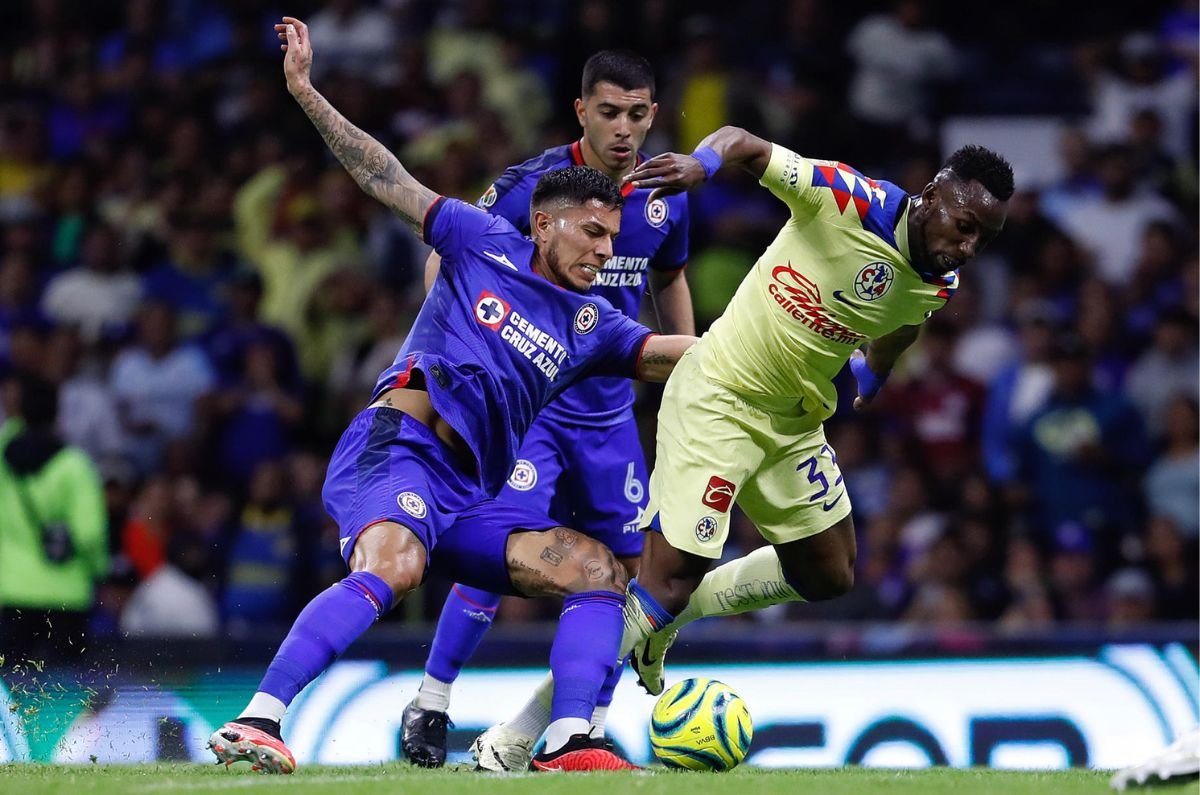
The Clásico Joven is the high-stakes football rivalry between two of Mexico’s most successful and popular clubs: Club América and Cruz Azul. Based in Mexico City, this derby represents a clash of distinct social identities, with América often viewed as the wealthy, powerhouse establishment (Las Águilas) and Cruz Azul representing a working-class, industrial heritage (La Máquina). Since their first major meeting in the 1970s, the fixture has evolved into one of the most watched sporting events in North America, frequently deciding the winner of the Liga MX title.
The Pulse of Mexico City’s Fiercest Football Derby
While the Clásico Nacional (América vs. Chivas) is often cited as Mexico's biggest game, the Clásico Joven carries a unique intensity because both teams share the same city and, for many years, the same stadium. For fans in Mexico City, this isn't just a game; it is a battle for local bragging rights that affects daily life in the capital. Whether you are in the bustling markets or the high-rise offices, the result of an América-Cruz Azul match dictates the mood of the city for the following week.
The Birth of a Rivalry: From the 1972 Final to the 'Clásico Joven' Moniker
The rivalry truly ignited during the 1971-72 season. Before this, Cruz Azul was a rising force from the state of Hidalgo that had recently moved to Mexico City. In the league final that year, Cruz Azul stunned the established Club América with a dominant 4-1 victory. This match signaled that a new giant had arrived to challenge América’s supremacy.
The name "Clásico Joven" (The Young Derby) was coined in 1980 by journalist Gerardo Peña Kegel. At the time, he noted that while the rivalry was younger than the traditional derby against Chivas, it had quickly surpassed it in terms of competitive quality and pure animosity on the pitch. The name stuck, and decades later, it remains the standard term for this encounter.
Iconic Venues and the Shared Legacy of the Estadio Azteca
The Estadio Azteca is more than just a stadium; it is a monument to football history, having hosted two World Cup finals. For a significant portion of their history, both Club América and Cruz Azul have called the "Coloso de Santa Úrsula" home. This shared tenancy adds a layer of complexity to the rivalry, as neither team can truly claim the ground as exclusively theirs when they face off.
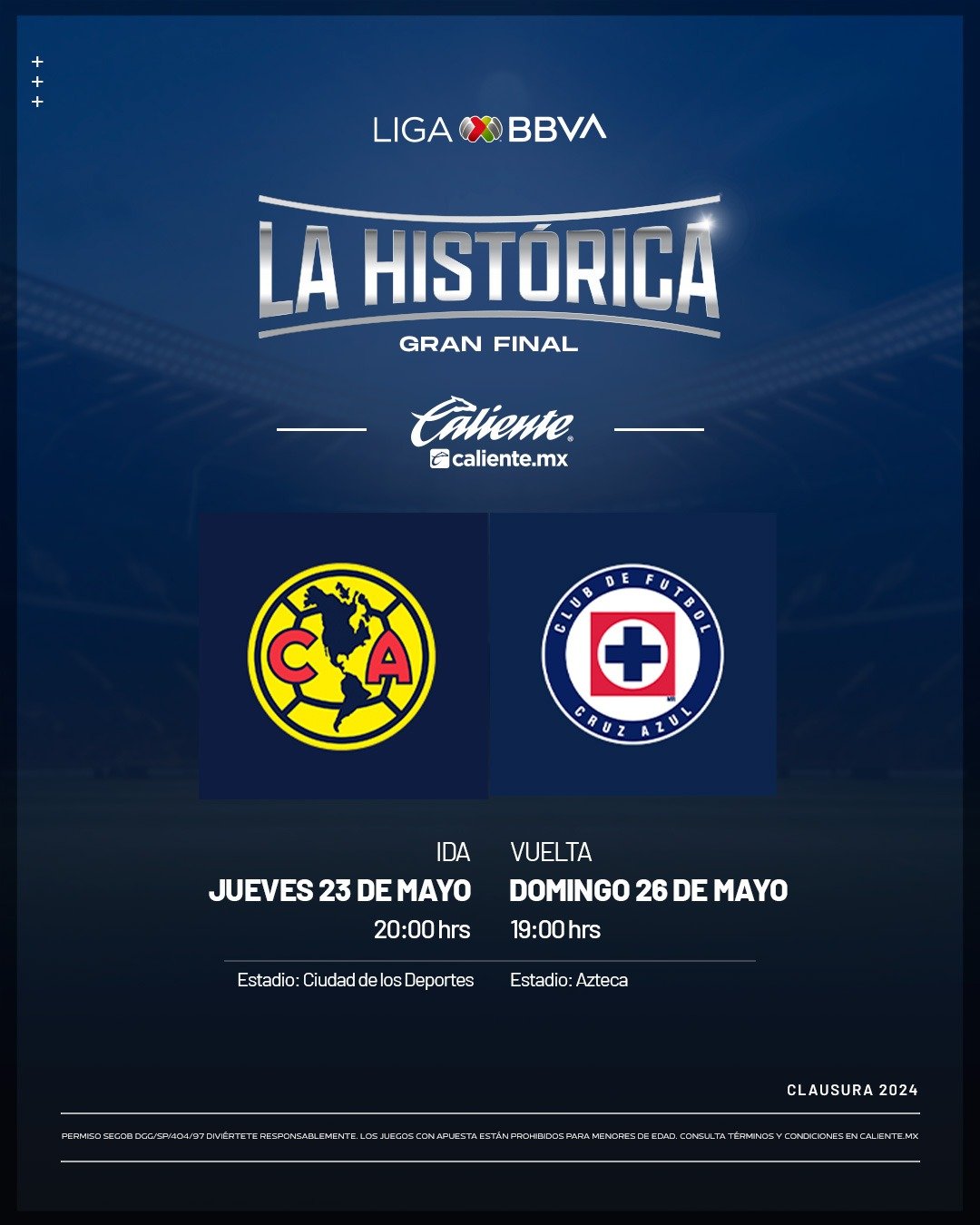
When Cruz Azul moved out to the Estadio Azul for several years, the rivalry maintained its heat, but their return to the Azteca in 2018 restored the "shared home" dynamic. Watching the stadium transform from the yellow of América to the deep blue of Cruz Azul depending on who is the 'home' team is a spectacle unique to Mexican football.
Defining Moments: The 2013 Miracle and Other Historic Finals
No discussion of the Clásico Joven is complete without mentioning the Clausura 2013 Final. It is widely regarded as one of the most dramatic finals in the history of the sport. Cruz Azul led 2-0 on aggregate with only minutes remaining in the second leg, played under a torrential downpour at the Azteca. América was down to ten men and seemed defeated.

In the 88th minute, Aquivaldo Mosquera scored for América. Then, in the 93rd minute, América’s goalkeeper, Moisés Muñoz, went up for a corner and scored a diving header (aided by a deflection) to level the aggregate score. América went on to win in a penalty shootout, leaving Cruz Azul fans heartbroken. This match cemented the rivalry's reputation for unpredictability and late-game drama.
Statistical Breakdown: Head-to-Head Records and Trophy Cabinets
Historically, Club América holds a slight edge in total wins and league titles. As the most successful club in Mexican history, América’s trophy cabinet is filled with Liga MX, Copa MX, and CONCACAF Champions League titles. However, Cruz Azul enjoyed a period of absolute dominance in the 1970s, earning them the nickname "La Máquina" (The Machine).
In head-to-head league meetings, the gap is often narrow. While América has won more of the crucial playoff encounters in the last decade, Cruz Azul has frequently dominated the regular-season standings, proving that form often goes out the window when these two meet.
Understanding the Cultural Divide: Las Águilas vs. La Máquina
The rivalry is also a study in contrasting philosophies:
- Club América (Las Águilas): Owned by the media giant Televisa, América embraces its role as the "villain" of Mexican football. Their motto, "Ódiame Más" (Hate me more), reflects their pride in being a wealthy club that buys the best talent and expects nothing less than championships.
- Cruz Azul (La Máquina): Originally founded as part of a cement cooperative, the club retains a working-class identity. Their fans are known for their immense loyalty and resilience, having endured long title droughts (notably between 1997 and 2021) while remaining one of the "Big Four" clubs in the country.
Key Players Who Crossed the Divide: Legends of Both Clubs
Switching between these two clubs is often seen as a betrayal by fans, yet several legends have worn both shirts.
- Carlos Hermosillo: A legendary striker who started at América but became the all-time leading scorer for Cruz Azul.
- Christian "Chaco" Giménez: A modern icon for Cruz Azul who previously had a stint with América.
- Jonathan "Cabecita" Rodríguez: After scoring the goal that ended Cruz Azul’s 23-year title drought in 2021, he eventually made a high-profile move to América, sparking significant debate among the fanbases.
Frequently Asked Questions About the América-Cruz Azul Rivalry
1. Why is it called the 'Clásico Joven'?
It was named by broadcaster Gerardo Peña Kegel in 1980 to describe a rivalry that was relatively new compared to others but had quickly become intense and high in quality.
2. Which team has won more Liga MX titles?
Club América holds the record for the most Liga MX titles in history. Cruz Azul is also among the top winners but has fewer total league trophies than América.
3. Do the teams still share a stadium?
Yes, as of the current era, both teams play their home games at the Estadio Azteca in Mexico City, though stadium renovations for the 2026 World Cup occasionally force temporary moves.
4. What is 'Cruzazulear'?
This is a slang term that emerged in Mexican culture (even added to the Spanish language dictionary) to describe the act of losing a game or a lead in the final minutes, a phenomenon that Cruz Azul fans unfortunately experienced several times against América.
Conclusion: Why the Clásico Joven Remains a Pillar of Liga MX
The Clásico Joven is more than just a football match; it is a recurring chapter in the history of Mexico City. It combines the glitz and pressure of América with the grit and tradition of Cruz Azul. Whether it's a regular-season game or a high-stakes final, the encounter guarantees drama, tactical battles, and an atmosphere that few other derbies in the world can match. For any football fan, understanding this rivalry is essential to understanding the passion that drives Mexican sports.




Comments 0
Leave a Reply
Your email address will not be published. Required fields are marked *
Be the first to share your thoughts!