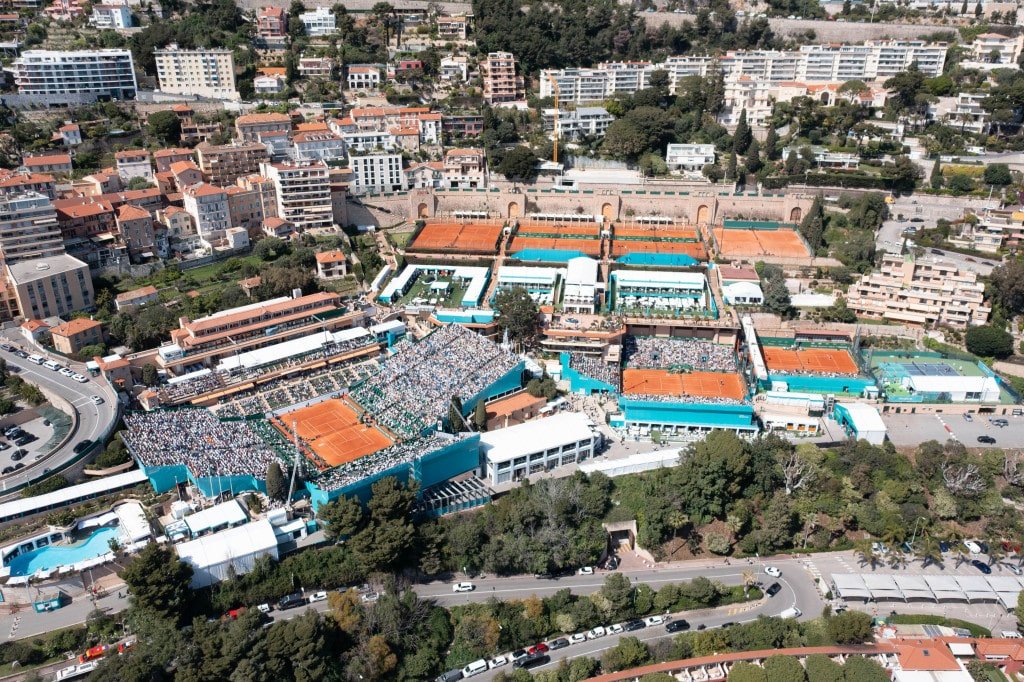
💡 The Ultimate Guide to the Monte Carlo Masters: History, Prestige, and the Red Clay of the Riviera
Explore the history, technical challenges, and unparalleled glamour of the Monte Carlo Masters, the crown jewel of the ATP clay-court season.
The Monte Carlo Masters is one of the most prestigious professional tennis tournaments in the world, serving as the traditional opening event of the European clay-court season. Held annually in April at the Monte Carlo Country Club, this ATP Masters 1000 tournament is famous for its stunning location overlooking the Mediterranean Sea and its deep historical roots dating back to 1897. While it is the only Masters 1000 event that is not mandatory for top-ranked players, its prestige and ideal preparation for the French Open ensure that the world’s best athletes consistently compete for the title.
The Jewel of the ATP Masters 1000 Circuit
In the hierarchy of professional tennis, the Monte Carlo Masters occupies a unique space. It is widely considered the most beautiful stop on the tour, blending high-stakes competition with the luxury of the French Riviera. For players, it represents the first major test on red clay after months of playing on hard courts. For fans, it is an opportunity to see the world's elite in an intimate, boutique setting that feels more like a private club than a massive stadium.
One of the defining characteristics of this tournament is its "non-mandatory" status. On the ATP tour, most Masters 1000 events require top players to attend or face penalties. Monte Carlo is the exception. However, the fact that the draw remains consistently packed with stars like Carlos Alcaraz, Jannik Sinner, and Novak Djokovic speaks volumes about the tournament's allure. Winning here isn't just about the points; it’s about etching your name into a legacy of clay-court excellence.
The Century-Old Legacy of Tennis at the Monte Carlo Country Club
The history of the tournament is inseparable from the Monte Carlo Country Club (MCCC). Interestingly, despite its name, the club is actually located just across the border in Roquebrune-Cap-Martin, France, though it is synonymous with the glamour of Monaco. The club was inaugurated in 1928 by Prince Louis II of Monaco and has since become a symbol of Mediterranean sporting heritage.
Walking through the gates of the MCCC feels like stepping back in time. The terracotta-colored buildings, the lush greenery, and the meticulously groomed clay courts have hosted every great era of tennis, from the amateur days of the early 20th century to the high-octane professional era of today. The tournament transitioned into the Open Era in 1969 and eventually became a cornerstone of the Masters 1000 series in 1990.
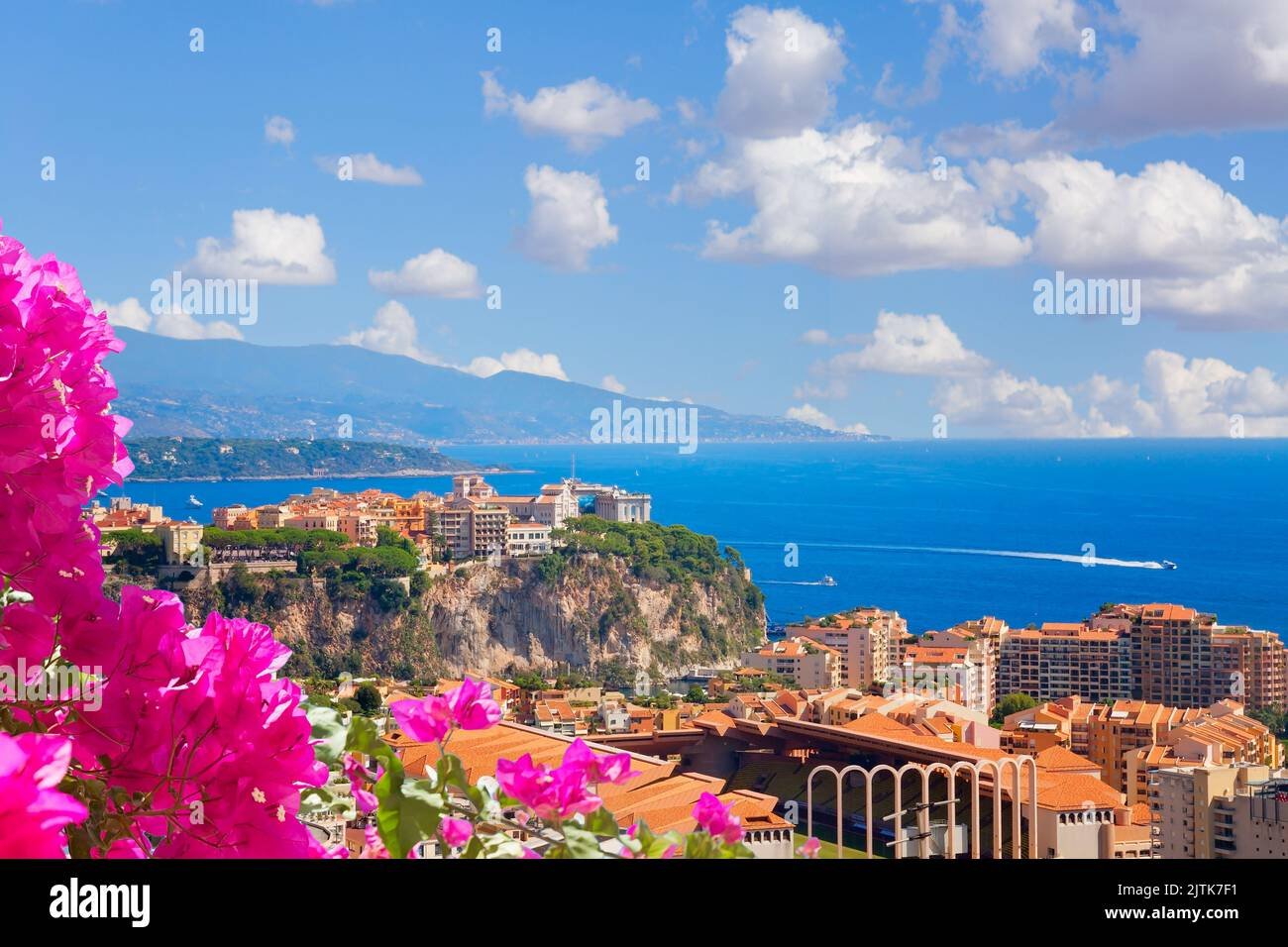
Spectating in Paradise: The Unique Atmosphere of Court Rainier III
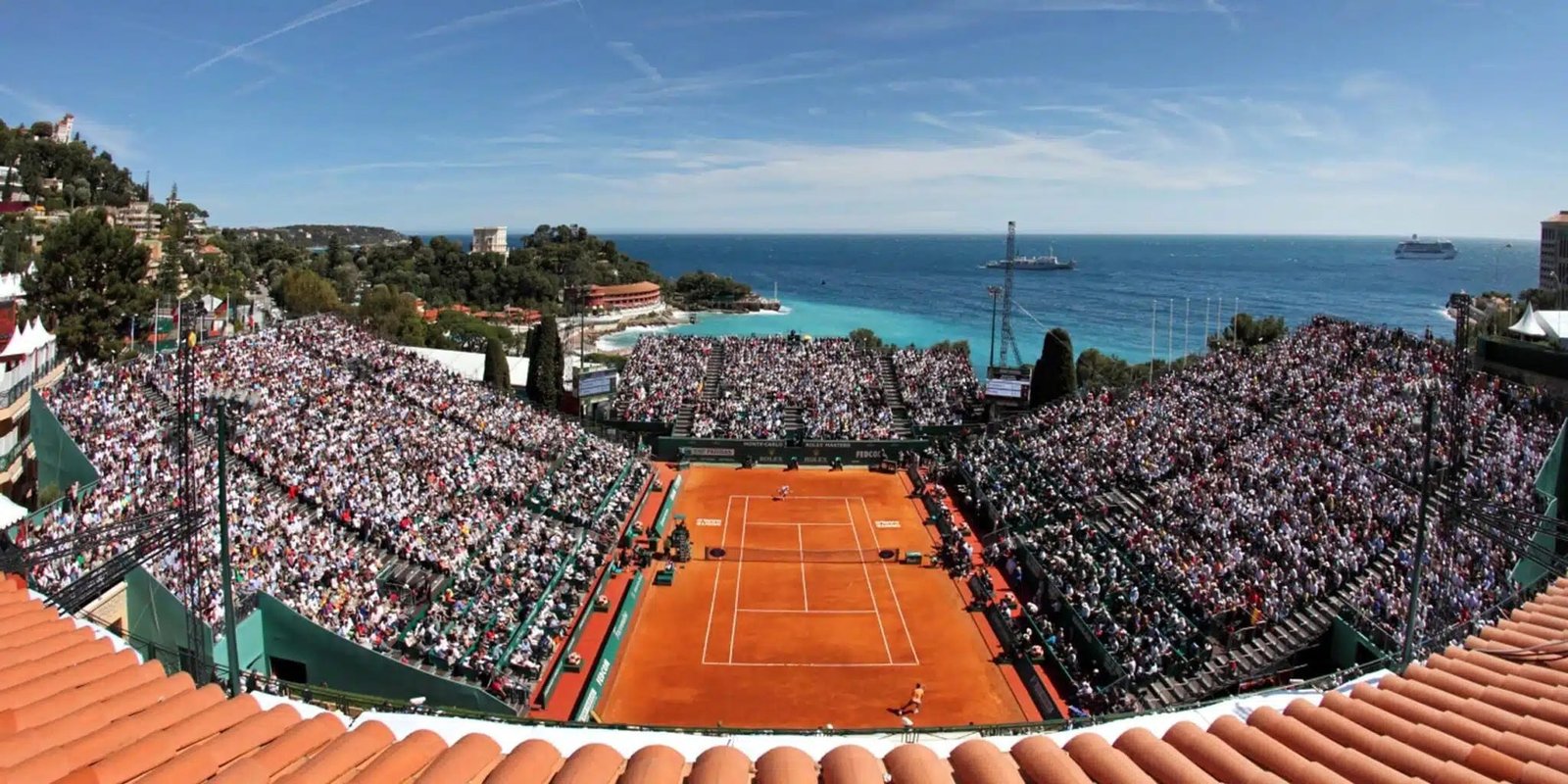
The centerpiece of the tournament is Court Rainier III. Unlike the sprawling concrete bowls of the US Open or the Australian Open, Court Rainier III is built into the natural slope of the coastline. This creates a vertical, intimate viewing experience where almost every seat offers a view of both the world-class tennis and the turquoise waters of the Mediterranean.
The atmosphere is distinctively "Riviera." You won’t find the rowdy, stadium-style chanting common in New York or Melbourne. Instead, the crowd is often knowledgeable and appreciative, dressed in smart-casual attire that reflects the local culture. However, don't let the polite clapping fool you; when the matches get tight, the energy is electric, particularly when a local favorite or a rising superstar is on court.
Mastering the Red Clay: Technical Challenges
The transition from hard courts to the red clay of Monte Carlo is one of the most difficult adjustments in professional sports. Clay is a living surface; it changes throughout the day based on the temperature, humidity, and wind coming off the sea.
The technical demands are immense:
- The Slide: Players must master the art of sliding into their shots, using the loose top layer of clay to decelerate while maintaining balance.
- Patience and Strategy: Points last longer on clay because the surface slows down the ball. You cannot simply hit through an opponent; you have to construct points, use drop shots, and utilize heavy topspin to push opponents back.
- Physical Endurance: Because the ball bounces higher and the rallies are longer, Monte Carlo is a grueling physical test. It rewards players with high aerobic capacity and mental fortitude.

The King of Clay and Beyond: Iconic Champions
You cannot talk about the Monte Carlo Masters without mentioning Rafael Nadal. The Spaniard’s dominance at this event is unprecedented in sports history, having won the title 11 times, including a record-breaking eight consecutive titles between 2005 and 2012. For over a decade, the red clay of Monte Carlo was effectively Nadal’s backyard.
However, the tournament has a long list of legendary winners, including Björn Borg, Guillermo Vilas, Ivan Lendl, and more recently, Novak Djokovic and Stefanos Tsitsipas. As we move into a new era, the spotlight has shifted to the next generation. Players like Jannik Sinner and Carlos Alcaraz are now the ones to watch, bringing a blend of modern power and traditional clay-court craft to the Riviera. Their presence ensures that while the "King of Clay" era may be transitioning, the quality of competition remains at its peak.
A Spectator’s Guide: Navigating Tickets and Travel
Attending the Monte Carlo Masters requires some planning, as it is one of the most popular events in the region. Here are some practical tips for visiting:
- Tickets: Tickets usually go on sale in October or November of the previous year. The finals and semi-finals sell out almost instantly. If you want a more relaxed experience, try attending the qualifying rounds or the first two days of the main draw.
- Getting There: Most visitors fly into Nice Côte d'Azur Airport (NCE). From there, you can take a scenic 30-minute train ride directly to the Monte Carlo station. During the tournament, there is a special stop at the Monte Carlo Country Club, making access very easy.
- Where to Stay: Staying in Monaco itself can be incredibly expensive during tournament week. Many fans choose to stay in nearby French towns like Nice or Menton and commute via the TER train.
- The Glamour Factor: While there is no strict dress code for general ticket holders, many people dress up. It’s a great place for people-watching, as you’ll often see celebrities, former players, and royalty in the VIP boxes.
Frequently Asked Questions
Is the Monte Carlo Masters part of the Grand Slams?
No, it is an ATP Masters 1000 event. While it is highly prestigious, it is one level below the four Grand Slams (Australian Open, French Open, Wimbledon, and US Open).
Why is it the only non-mandatory Masters 1000?
Historically, Monte Carlo was granted an exception during a restructuring of the ATP calendar. Because of its early slot in the clay season and the logistical constraints of the venue size, the ATP allowed it to remain a Masters 1000 without the mandatory attendance requirement.
Can I play at the Monte Carlo Country Club?
Yes, the club is open to members and visitors outside of the tournament dates. You can book courts and even take lessons, though there is a guest fee and a requirement to wear predominantly white tennis attire.
What happens if it rains?
Unlike some newer stadiums, Court Rainier III does not have a roof. If it rains, play is suspended until the courts are dried. This can lead to some late-night finishes, but the Mediterranean climate usually provides plenty of sunshine in April.
Conclusion
The Monte Carlo Masters is more than just a tennis tournament; it is a celebration of the sport's history and the enduring appeal of the French Riviera. Whether you are there for the technical mastery of the world's best clay-courters or simply to soak in the atmosphere of Court Rainier III, it remains a bucket-list event for any true tennis fan. Its unique blend of old-world prestige and modern athletic excellence ensures its place as the most beautiful stop on the ATP tour.




Comments 0
Leave a Reply
Your email address will not be published. Required fields are marked *
Be the first to share your thoughts!