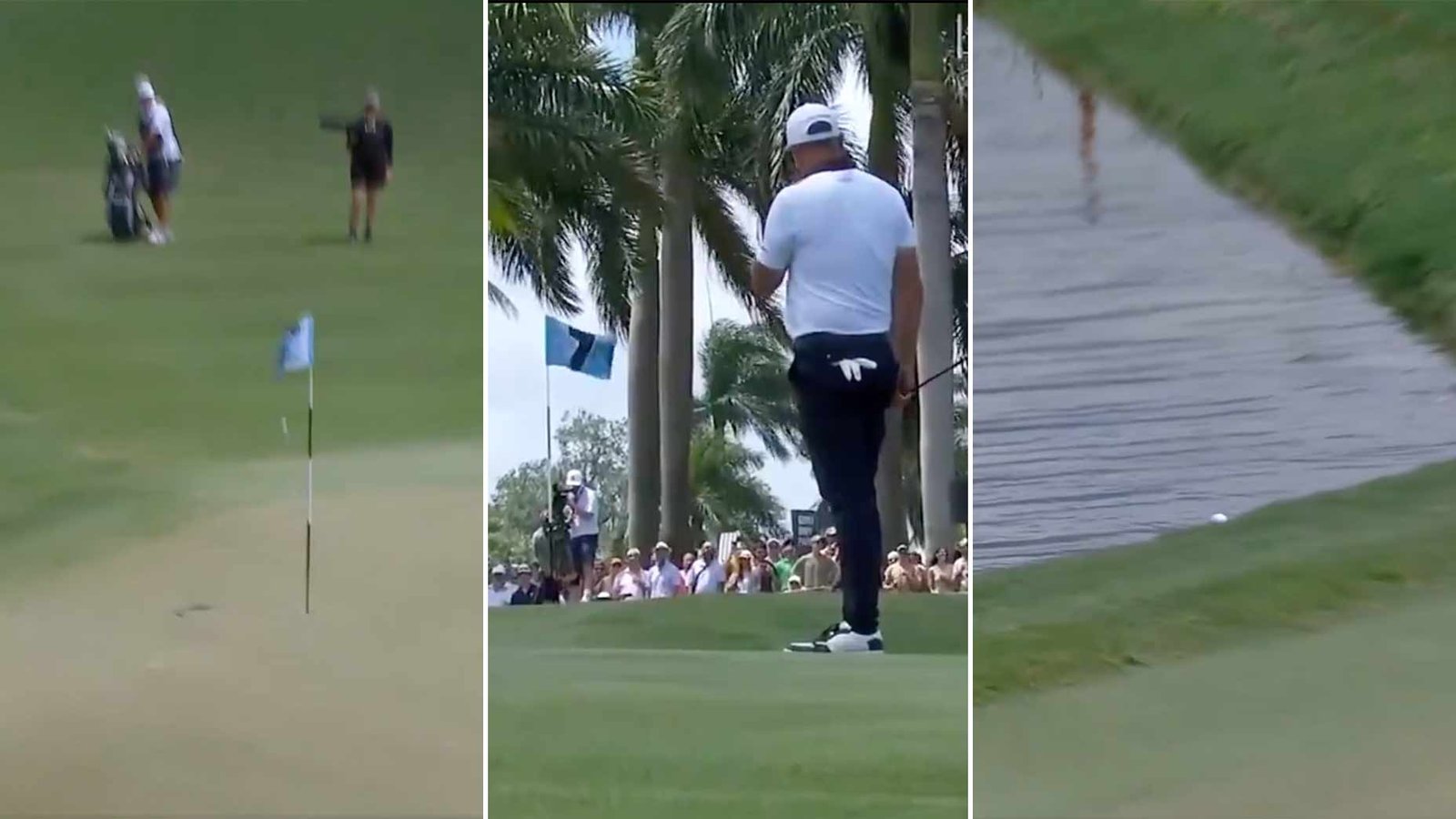
💡 The Art of the Short Game: A Comprehensive Look at Phil Mickelson’s Legendary Golf Career
An in-depth exploration of Phil Mickelson's historic golf career, his revolutionary short game techniques, and his impact on the professional game.
Phil Mickelson is one of the most accomplished and influential figures in the history of professional golf, winning six major championships and 45 PGA Tour titles over a career spanning more than three decades. Known globally as 'Lefty,' Mickelson’s legacy is defined by his extraordinary creativity around the greens, his aggressive 'risk-reward' style of play, and his historic achievement as the oldest player to ever win a major championship at the age of 50. His career has not only influenced how the game is played but also how it is coached and marketed on a global scale.
The Enduring Legacy of 'Lefty' in Professional Golf
Phil Mickelson’s impact on golf goes far beyond his trophy cabinet. For many fans, he represents the ultimate 'people’s champion'—a player who interacts with the gallery, signs endless autographs, and plays with a visible joy that is rare in the high-pressure world of professional sports. Despite being naturally right-handed in almost every other aspect of life, Mickelson learned to play golf left-handed by mirroring his father’s swing, creating a unique visual identity that became his trademark.
His longevity is perhaps his most impressive feat. Mickelson has remained competitive across four different decades, adapting his game as technology and fitness standards evolved. While many of his contemporaries retired or moved to the senior circuit, Mickelson continued to challenge the world's best, proving that strategic brilliance and a sharp short game can often overcome the raw power of younger players.
From San Diego to the PGA: The Rise of an Amateur Phenom
Mickelson’s path to greatness began in San Diego, where he dominated the junior ranks before attending Arizona State University. His collegiate career was nothing short of legendary; he won three NCAA individual championships and was a three-time first-team All-American. However, it was his performance at the 1991 Northern Telecom Open that truly signaled the arrival of a superstar.
While still an amateur, Mickelson won the PGA Tour event, a feat that has only been accomplished by a handful of players in history. This victory allowed him to bypass the traditional grind of qualifying school, launching him directly into a professional career where he was immediately expected to rival the greats. He didn't disappoint, quickly becoming a fixture in the top 10 of the Official World Golf Ranking.
Mastering the Impossible: The Mechanics of Mickelson’s Short Game and Signature Flop Shot
If there is one thing that defines Phil Mickelson’s game, it is his wizardry with a wedge. He redefined what is possible around the green, often choosing high-risk shots that other players wouldn't even consider. His signature move, the 'flop shot,' involves opening the clubface of a lob wedge almost completely flat and swinging with high speed to send the ball nearly straight up in the air.
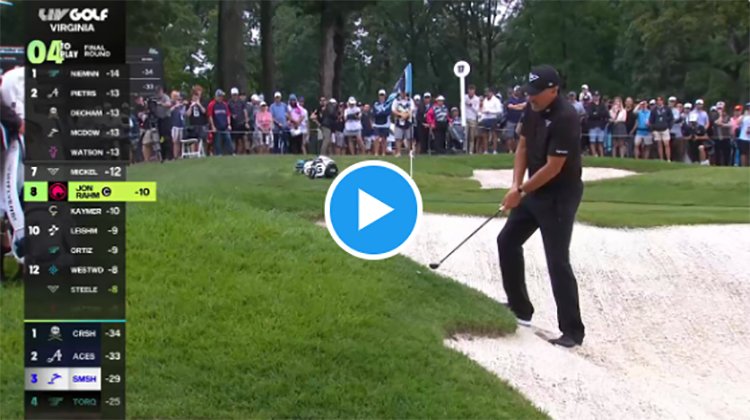
The mechanics of his short game rely on a technique he often describes as 'hinge and hold.' By hinging his wrists early in the backswing and holding that angle through impact, he creates immense backspin and control. This allows him to land the ball softly on firm greens, even from the most difficult lies. His ability to turn a potential bogey into a par through sheer creativity is what has kept him at the top of the leaderboards for years.
A Career Defined by Majors: Analyzing the Six Historic Victories
For the first decade of his career, Mickelson was often labeled 'the best player never to win a major.' He silenced those critics at the 2004 Masters, where a dramatic birdie on the 18th hole earned him his first Green Jacket. This broke the dam, leading to a total of three Masters titles (2004, 2006, 2010), an Open Championship (2013), and two PGA Championships (2005, 2021).
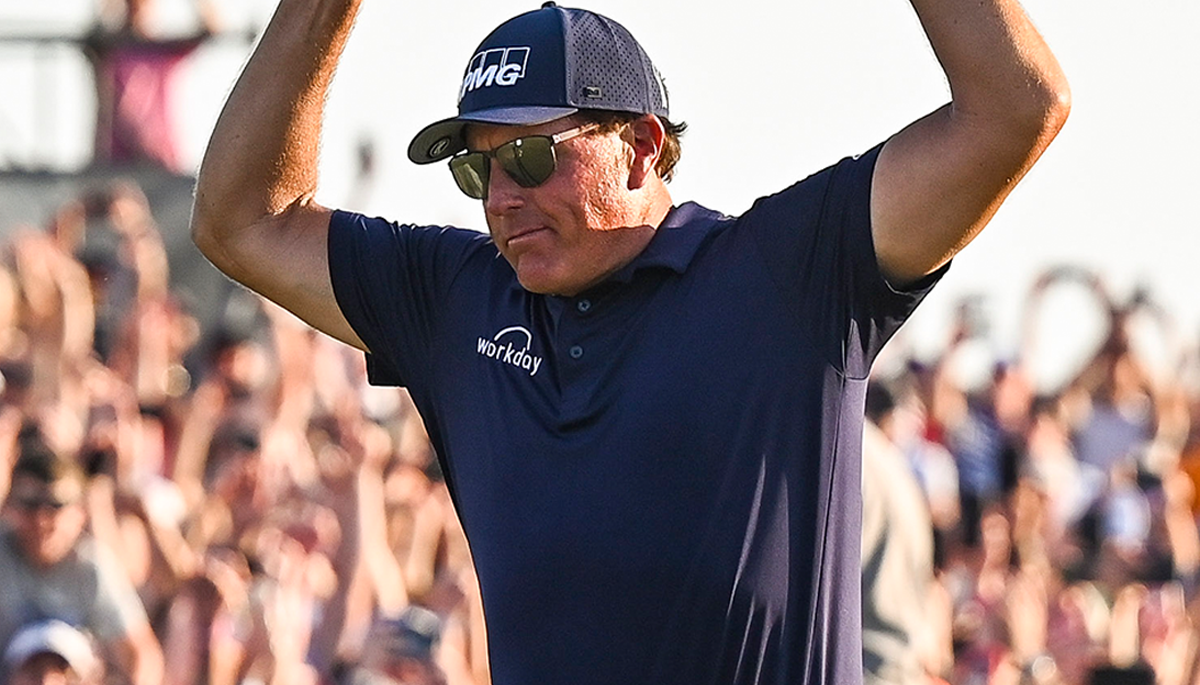
His most significant milestone came at the 2021 PGA Championship at Kiawah Island. At 50 years old, Mickelson outlasted a field of much younger, longer hitters to become the oldest major champion in golf history. This victory was a masterclass in course management and mental fortitude, proving that his aggressive style could be tempered with veteran wisdom when the stakes were highest.
The Risk-Reward Philosophy: How Mickelson’s Aggressive Style Redefined Course Management
Mickelson is the personification of the 'high-risk, high-reward' philosophy. Unlike many modern pros who play a 'bomb and gouge' game or stick to strict conservative yardages, Phil has always been willing to take the 'hero shot.' This approach has led to some of the most iconic moments in golf, such as his shot from the pine straws on the 13th hole at Augusta in 2010.
However, this style also comes with limitations. His aggressive nature contributed to several heart-wrenching near-misses, most notably his six runner-up finishes at the U.S. Open—the only major that has eluded him for a career Grand Slam. His refusal to play it safe has made him a polarizing figure among statisticians but a beloved icon for fans who crave excitement over efficiency.
Beyond the Green: Phil Mickelson’s Impact on Golf Equipment and Training Longevity
Mickelson’s influence extends into the bags of amateur golfers worldwide. He has been a primary driver of equipment innovation, particularly in wedge design. Working closely with manufacturers like Callaway, he helped develop the 'PM Grind' wedges, which feature a unique shape and groove pattern designed specifically for the extreme flop shots he pioneered.
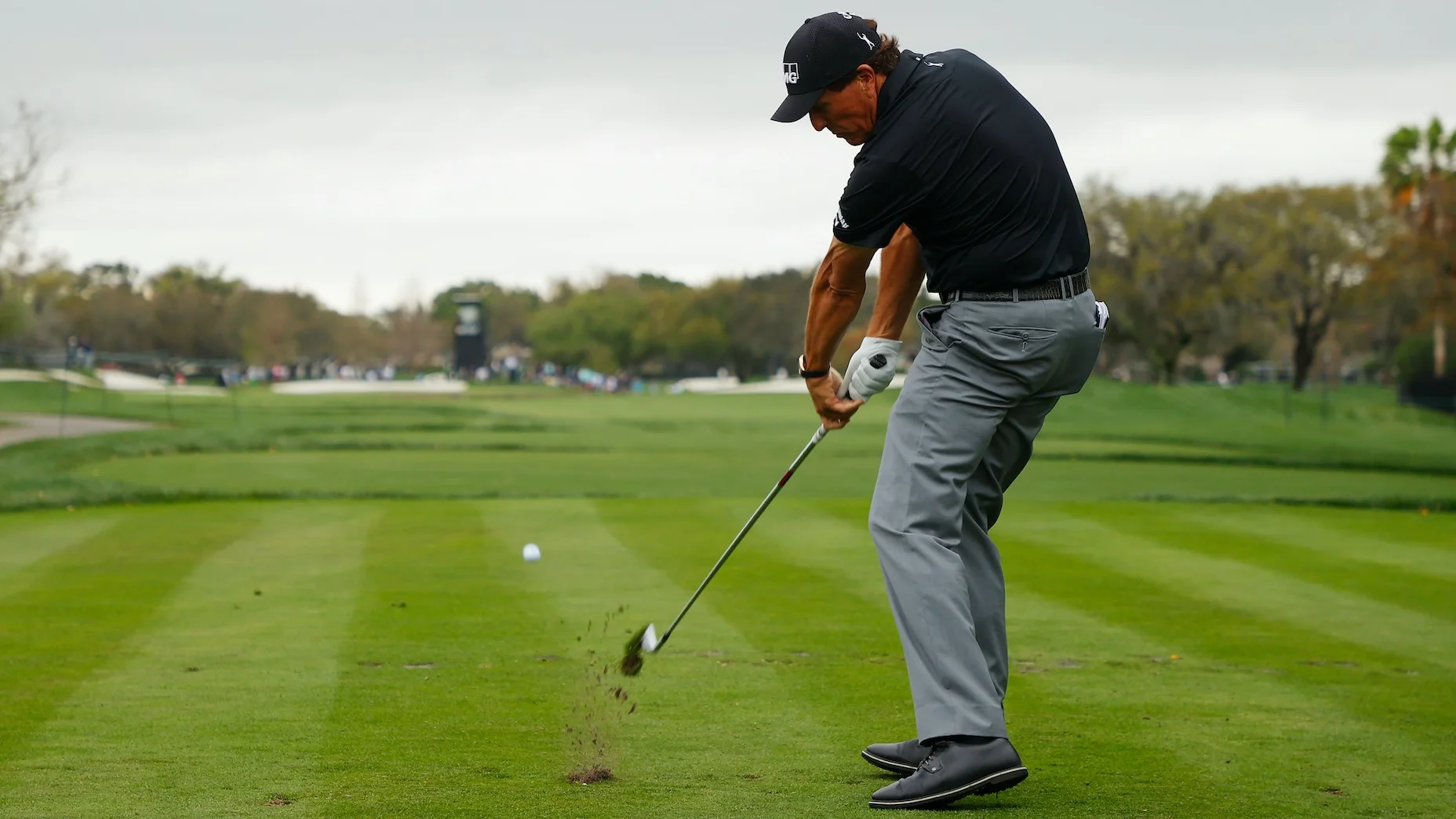
Furthermore, his late-career resurgence was fueled by a radical change in his lifestyle. By adopting rigorous fitness routines and specialized fasting protocols, he transformed his physique in his late 40s. This dedication to 'bio-hacking' and physical longevity has set a new standard for veteran athletes, showing that it is possible to maintain elite ball speed well into middle age.
The LIV Transition and the Evolution of a Global Golf Icon
In recent years, Mickelson’s career took a controversial turn when he became one of the primary faces of the LIV Golf circuit. This move created a significant rift in the professional golf world, as he transitioned away from the PGA Tour. While this decision impacted his public standing and relationships with certain sponsors, it also highlighted his long-standing desire to see the business model of professional golf evolve.
As a global icon, Mickelson continues to be a vocal critic of traditional structures, recently commenting on the setup of iconic courses like Augusta National. Whether one agrees with his off-course decisions or not, his influence on the sport's financial and structural future is undeniable. He remains a figure who isn't afraid to challenge the status quo, much like he challenges a difficult pin placement from a deep bunker.
Frequently Asked Questions About Phil Mickelson’s Career and Technique
Why is Phil Mickelson called 'Lefty' if he is right-handed?
Phil Mickelson is naturally right-handed for writing, throwing, and most daily tasks. However, he learned to play golf by standing opposite his father and mirroring his right-handed swing, resulting in Phil playing as a left-hander. He is the most successful left-handed golfer in the history of the game.
What is the secret to Phil Mickelson’s flop shot?
The secret lies in a wide stance, an extremely open clubface, and a commitment to accelerating through the ball. Mickelson emphasizes keeping the hands 'quiet' and using the bounce of the wedge to slide under the ball rather than digging into the turf.
How many majors has Phil Mickelson won?
Phil Mickelson has won six major championships: The Masters (2004, 2006, 2010), the PGA Championship (2005, 2021), and The Open Championship (2013). He has finished as a runner-up in the U.S. Open six times.
What is Phil Mickelson's 'hinge and hold' technique?
The 'hinge and hold' is a short-game technique where the golfer hinges their wrists quickly on the backswing and maintains that wrist angle (the 'hold') through the impact zone. This ensures a consistent strike and maximum spin control on chips and pitches.
Is Phil Mickelson still playing professional golf?
Yes, Phil Mickelson currently competes on the LIV Golf League and continues to participate in the major championships for which he is exempt, such as the Masters and the PGA Championship.
Conclusion
Phil Mickelson’s career is a testament to the power of creativity and resilience. From his early days as a collegiate phenom to his historic win at the 2021 PGA Championship, he has consistently pushed the boundaries of what is possible on a golf course. While his career has seen its share of controversies and heartbreaks, his mastery of the short game and his 'risk-reward' philosophy have left an indelible mark on the sport. Whether you admire his technical wizardry or his bold personality, there is no denying that Phil Mickelson remains one of the most influential and captivating figures to ever pick up a club.


Comments 0
Leave a Reply
Your email address will not be published. Required fields are marked *
Be the first to share your thoughts!