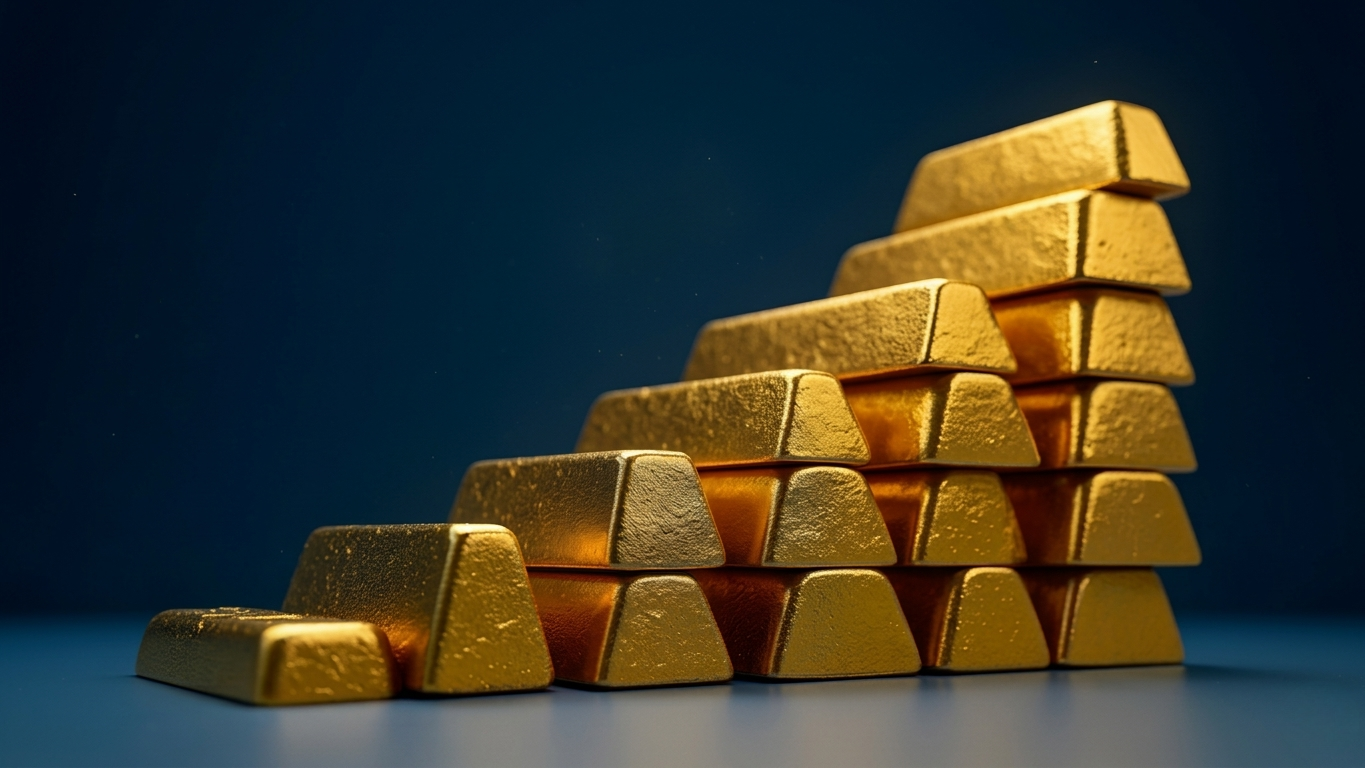
As the first quarter of 2026 progresses, the global commodities market finds itself at a critical juncture. Gold, historically revered as the ultimate safe-haven asset, is currently navigating a complex landscape defined by high-stakes geopolitical tensions and shifting monetary policies. While the start of the year saw significant volatility, the middle of March has brought a period of relative stability that has left many investors questioning the traditional mechanics of the precious metals market.
This analysis delves into the performance of gold prices as of March 2026, examining why the metal has not reacted with its typical explosive growth despite active conflict in the Middle East. For commodity traders and institutional investors, understanding these nuances is essential for navigating a year that has already defied several long-standing economic forecasts. The following report synthesizes real-time data and expert insights to provide a comprehensive overview of the current gold market.
Real-Time Price Tracking: Gold Performance in Mid-March 2026
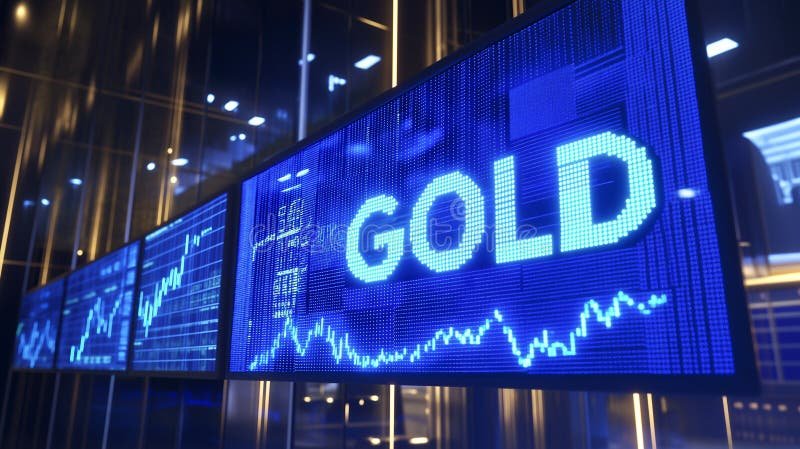
Tracking the movement of gold in mid-March requires a close look at the data provided by major financial outlets. According to reports from Fortune, the current price of gold as of March 13, 2026, reflected a market attempting to find a solid floor amidst global uncertainty. This snapshot provided a baseline for investors as they headed into a weekend fraught with geopolitical news, setting the stage for the opening of the new trading week.
By March 16, 2026, USA Today highlighted the continued focus on gold valuations, as the market reacted to the weekend's developments. The transition from March 13 to March 16 showed a sector characterized more by consolidation than by the wild swings often associated with periods of international strife. This week-over-week stability suggests that while the floor for gold remains high, the immediate upward momentum has met significant resistance, leading to a period of narrow-range trading that has caught some speculative traders off guard.
Geopolitical Factors Influencing Gold Prices
One of the most pressing questions in the current market, as highlighted by dw.com, is the anomaly regarding the Iran conflict. Historically, the outbreak of war involving a major regional power would trigger a massive surge in gold prices as capital flees to safety. However, in March 2026, the expected "war premium" appears to be muted. There are several strategic reasons why the market is not seeing a vertical climb in prices.

Analysts suggest that the market may have already "priced in" the geopolitical risks associated with the Iran conflict. In the lead-up to the current situation, investors had months to adjust their portfolios, meaning the actual commencement of hostilities did not provide the shock-to-the-system required for a price breakout. Furthermore, the resilience of modern supply chains and the emergence of alternative safe havens in the digital asset space may be diluting the traditional flow of capital into physical gold. The narrative in 2026 is one of calculated risk management rather than panic-driven buying.
The Federal Reserve Factor: Impact of the Upcoming Fed Meeting
While geopolitics often grabs the headlines, the underlying driver for gold prices in March 2026 remains the US Federal Reserve. As reported by Investing.com, gold prices have remained steady primarily because the market is in a "wait-and-see" mode ahead of the next Fed meeting. The inverse relationship between interest rates and gold is a primary concern for traders; high-interest rates typically make non-yielding assets like gold less attractive.
Speculation regarding the Fed's monetary policy shifts for the remainder of 2026 is at a fever pitch. If the Federal Reserve signals a pause or a pivot toward lower rates to stimulate the economy, gold could see the breakout that the Iran conflict failed to trigger. Conversely, a hawkish stance to combat persistent inflationary pressures would likely keep a lid on gold's gains. The US Dollar's strength, closely tied to Fed policy, continues to act as a significant headwind for gold prices, offsetting the safe-haven demand generated by global instability.
Analyst Outlook on Gold Market Trends
Adding a layer of intrigue to the market is a recent report from Yahoo Finance, where a veteran analyst dropped a surprising gold price prediction. While many expected a bullish forecast given the global climate, this contrarian view suggests that gold might face a period of correction before any long-term rally can be sustained. This prediction hinges on the idea that institutional "profit-taking" could outweigh retail "fear-buying" in the short term.
Technical analysis levels are currently being watched with intense scrutiny. Support zones established in early 2026 are being tested, and if these levels hold, they could provide the foundation for a late-year surge. However, the veteran outlook warns that if gold fails to break through current resistance zones despite the geopolitical tailwinds, it could signal a fundamental shift in how the metal is valued in a modern portfolio. This surprising stance has forced many hedge funds to reassess their gold weightings for the second half of the year.
Macroeconomic Drivers Influencing Gold in 2026
Beyond the headlines of war and interest rates, broader macroeconomic drivers are quietly shaping the gold market. Central Bank reserves remain a critical factor; despite the conflict, institutional buying from emerging market central banks has continued at a steady pace. These institutions often view gold as a long-term hedge against the volatility of the US Dollar and as a means of diversifying their national reserves away from Western-centric assets.
Inflationary pressures also remain a double-edged sword in March 2026. While gold is a traditional inflation hedge, the purchasing power of the dollar has remained surprisingly resilient, complicating the trade. Global demand for physical gold, particularly in jewelry and industrial sectors in Asia, provides a consistent floor for prices, preventing a total collapse even when investor sentiment turns neutral. As we move deeper into 2026, the interplay between these institutional flows and retail demand will determine whether gold can finally reclaim its status as the market's top performer.





Comments 0
Leave a Reply
Your email address will not be published. Required fields are marked *
Be the first to share your thoughts!