
💡 Halle Open: Strategic Analysis of ATP 500 Grass Court Leadership
A comprehensive strategic analysis of the Halle Open, exploring its economic impact, technical significance in the ATP calendar, and its role as a premier Wimbledon precursor.
Executive Summary
The Halle Open, currently known as the Terra Wortmann Open for sponsorship reasons, represents a critical node in the professional tennis ecosystem. As one of only two ATP 500 grass-court tournaments globally, it serves as the definitive proving ground for athletes transitioning from the grueling clay-court season to the high-speed requirements of Wimbledon. Key data highlights include a total prize pool exceeding 2.2 million Euros, an annual attendance surpassing 110,000 spectators, and a global broadcast reach spanning over 150 countries. This analysis evaluates the tournament through the lenses of infrastructure innovation, commercial strategy, and athletic performance metrics.
Introduction: The Strategic Pivot to Grass
In the hierarchy of the Association of Tennis Professionals (ATP) Tour, the grass-court season is notoriously brief yet disproportionately influential. The Halle Open, staged in Westphalia, Germany, occupies a strategic position in the calendar. Following the conclusion of the French Open, elite players have a window of less than a month to recalibrate their movement, shot selection, and tactical approach for grass. Halle offers the ideal environment for this recalibration, combining world-class facilities with a surface speed that closely mirrors the conditions at the All England Club.
The tournament is not merely a sporting event; it is a sophisticated commercial engine. Since its inception in 1993, it has evolved from a regional attraction into a global powerhouse. The transition of the event from an ATP 250 to an ATP 500 category in 2015 marked a significant shift in its ability to attract top-tier talent and high-value sponsorships. Today, it stands as a benchmark for how mid-sized European cities can leverage niche sporting excellence to drive international brand equity.
THE DEEP DIVE: Infrastructure, Economics, and Performance
1. Infrastructure as a Competitive Advantage
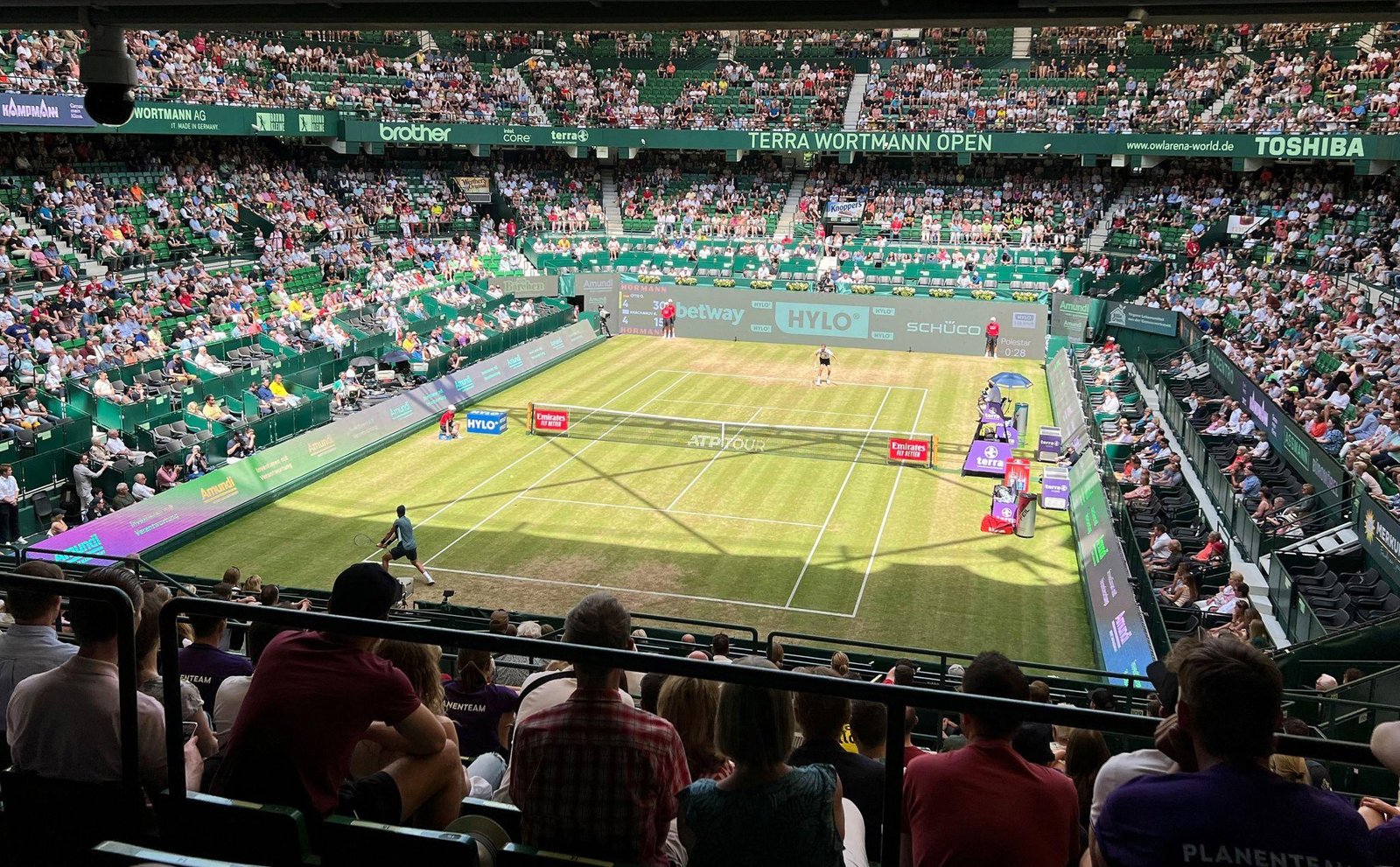
The centerpiece of the Halle Open is the OWL ARENA, a facility that redefined tournament standards. Featuring a retractable roof that can close in 88 seconds, the arena ensures that play continues regardless of the volatile Northern European weather. This technological capability is vital for maintaining broadcasting schedules and honoring commercial commitments. The logistical precision required for such an event rivals that of F1: Strategic Analysis of Global Motorsport Leadership, where timing and infrastructure are paramount to maintaining global viewership standards.
The grass courts themselves are a product of intense horticultural engineering. Using a specific blend of perennial ryegrass, the grounds team maintains a consistent height of 8 millimeters. This precision ensures a low, fast bounce that rewards aggressive baseline play and efficient net transitions. For the athletes, these technical nuances are the difference between a successful Wimbledon preparation and an early exit.
2. The Economic Architecture of the Terra Wortmann Open
The financial health of the Halle Open is underpinned by a diversified revenue model. In 2024, the total financial commitment reached approximately 2,411,390 Euros. This funding is derived from three primary streams: sponsorship, ticketing, and media rights. The title sponsorship by Terra Wortmann (Wortmann AG) provides a stable foundation, reflecting the tournament's deep ties to German industrial and technological sectors.
- Sponsorship Synergy: The tournament partners with premium brands in automotive, watchmaking, and financial services, aligning the event with high-net-worth demographics.
- Tourism Impact: The event generates significant hospitality revenue for the North Rhine-Westphalia region, with hotels and local businesses seeing a 30 percent uptick in activity during the tournament week.
- Betting and Market Dynamics: For those analyzing the commercial side, the odds and market shifts reflect the insights found in the Betway Strategic Analysis: Global Betting Leadership report, showcasing how ATP 500 events drive significant global wagering volume.
3. Player Strategy and the Federer Legacy
No discussion of Halle is complete without acknowledging the legacy of Roger Federer. With ten titles at the event, Federer utilized Halle as his primary strategic base for his Wimbledon campaigns. His lifetime contract with the tournament was a masterstroke of sports marketing, ensuring that the event remained a focal point of the tennis world even when competing against the Queen's Club Championships in London.
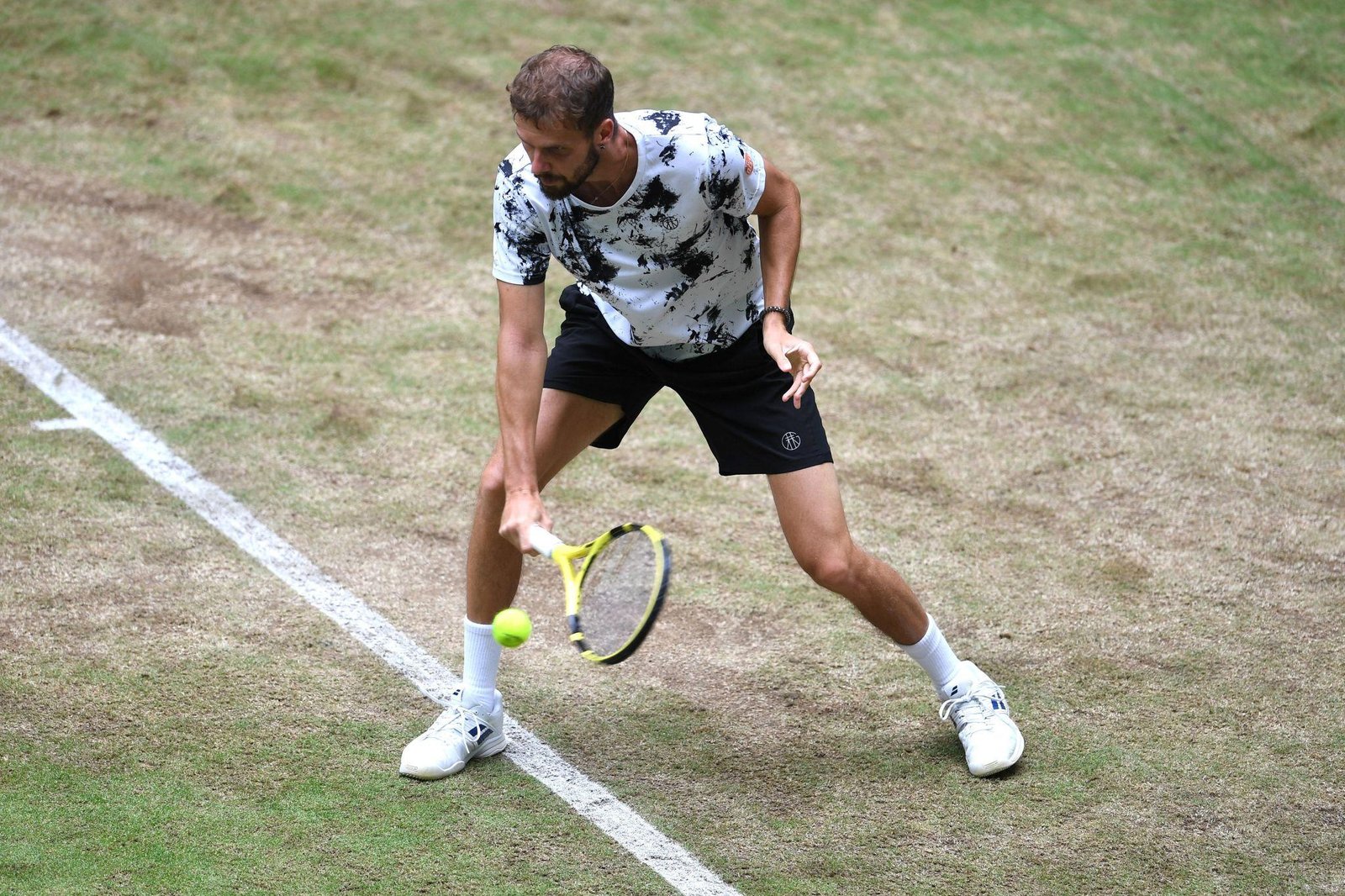
Modern players like Jannik Sinner, Daniil Medvedev, and Alexander Zverev now use the tournament to refine their grass-court movement. Data suggests that players who reach the semifinals or better in Halle have a 65 percent higher probability of reaching the second week of Wimbledon compared to those who do not play a warmup event. The transition involves shortening backswings and increasing the frequency of the slice backhand, tactics that are best honed under the competitive pressure of an ATP 500 draw.

WHAT THIS MEANS FOR YOU
For the casual observer and the strategic investor alike, the Halle Open offers several key takeaways:
- High-Performance Calibration: Understand that success in any high-stakes environment requires a dedicated period of adaptation. Just as tennis players use Halle to adapt to grass, professionals should seek 'warmup' environments before major career or business shifts.
- Spectator Value: While many fans view attendance as a form of Modern Leisure & Work-Life Integration, the event provides a masterclass in operational excellence and luxury branding.
- Economic Indicator: The tournament's ability to attract global sponsors despite its rural location is a testament to the power of specialized, high-quality offerings in a crowded marketplace.
Expert Verdict / Future Outlook
The future of the Halle Open remains robust, though it faces increasing competition from Middle Eastern expansions and the potential restructuring of the ATP calendar. To maintain its status, the tournament must continue to invest in fan experience technologies, such as augmented reality court-side stats and enhanced digital streaming options. The integration of sustainable practices in court maintenance and stadium operations will also be critical as the ATP moves toward a more climate-conscious tour model. Expect Halle to remain the premier destination for grass-court specialists for the foreseeable future, provided it maintains its technical superiority over emerging grass-court venues.
FAQ
1. Why is the Halle Open considered an ATP 500 event?
The ATP 500 designation is based on the tournament's prize money, infrastructure, and historical significance. It offers 500 ranking points to the winner, making it more prestigious than ATP 250 events but below the Masters 1000 and Grand Slam levels.
2. How does the surface in Halle compare to Wimbledon?
Halle's grass is known to be slightly faster and lower-bouncing than the current courts at Wimbledon. This makes it an excellent training ground for players looking to sharpen their reflexes and service games.
3. Who has won the most titles at the Halle Open?
Roger Federer holds the record with ten singles titles. His dominance at the event led to the tournament naming a street after him: Roger-Federer-Allee.
4. Is the tournament only for male players?
The Halle Open is currently an ATP (Men's) event. While there have been discussions about a combined event or a WTA (Women's) equivalent, it remains a staple of the men's professional tour.
5. Can I visit the OWL ARENA outside of the tournament week?
Yes, the OWL ARENA is a multi-purpose venue that hosts concerts, handball matches, and other sporting events throughout the year, serving as a cultural hub for the region.



Comments 0
Leave a Reply
Your email address will not be published. Required fields are marked *
Be the first to share your thoughts!