
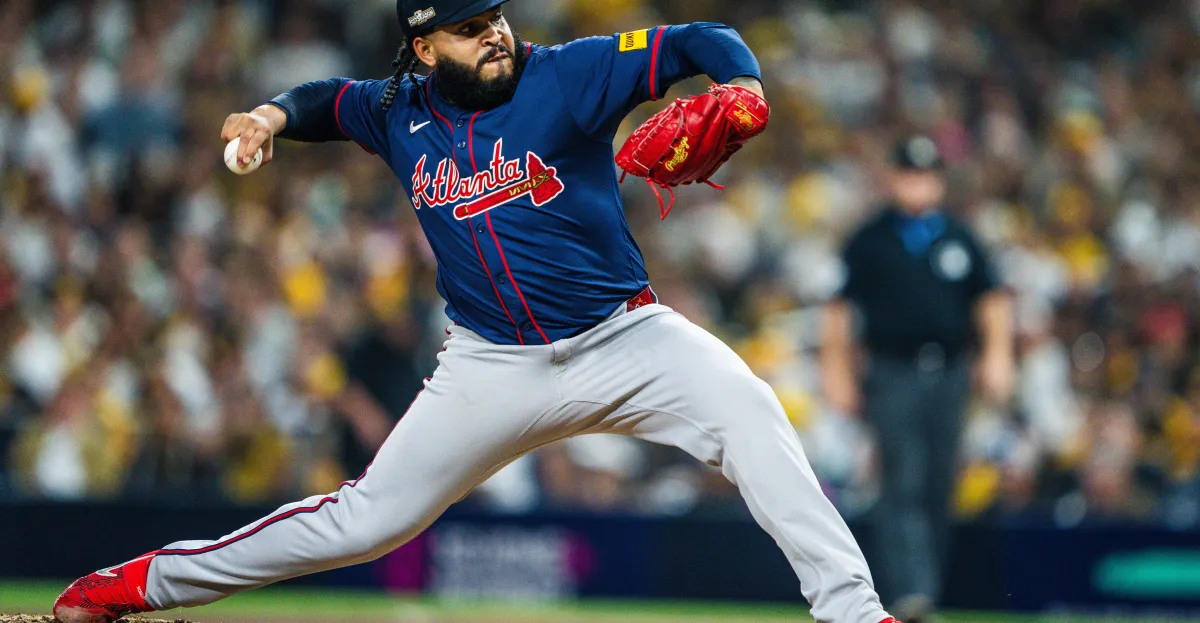
💡 Jonathan Hernández: Strategic Analysis of Bullpen Power
A comprehensive analysis of Jonathan Hernández's pitching mechanics, statistical impact on the MLB, and the strategic value of high-velocity relievers.
Executive Summary
Jonathan Hernández represents the modern archetype of the high-leverage relief pitcher in Major League Baseball (MLB). Known for a sinker that routinely touches 100 miles per hour, his career serves as a case study in the intersection of elite physical tools and the volatility of professional sports. This analysis examines his statistical performance metrics, his recovery from major reconstructive surgery, and his strategic role within the Texas Rangers organization. Key findings include a ground-ball rate exceeding 50 percent and a sinker velocity that places him in the 99th percentile of all active pitchers. However, challenges regarding command and walk rates remain pivotal factors in his long-term valuation.
Introduction: The Velocity Revolution
In the contemporary landscape of professional baseball, velocity is no longer just an advantage; it is a prerequisite for high-leverage roles. Jonathan Hernández emerged as a cornerstone of this movement during his breakout 2020 campaign. As organizations shift toward data-driven roster construction, players like Hernández provide a unique strategic edge by limiting home runs and forcing inefficient contact. Understanding his trajectory requires an examination of both his raw data and the broader organizational philosophy of the Texas Rangers, a team that has recently invested heavily in pitching infrastructure.
The Deep Dive: Technical and Statistical Analysis
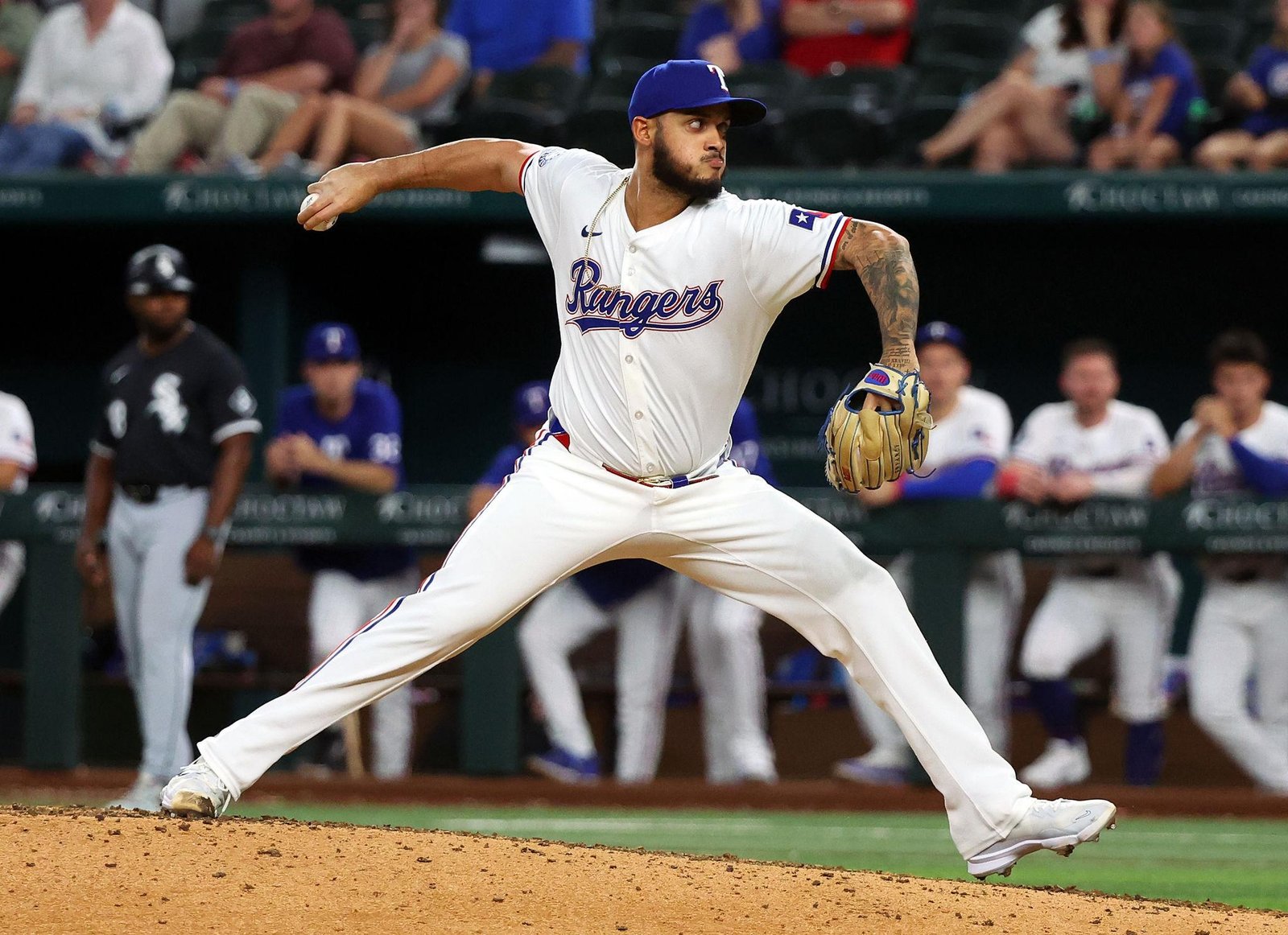
The primary driver of Jonathan Hernández's success is his unique pitch arsenal. Unlike traditional power pitchers who rely on a four-seam fastball for strikeouts, Hernández utilizes a heavy sinker. This pitch generates significant downward movement, making it nearly impossible for hitters to barrel the ball. According to Statcast data, his sinker averages 98.7 mph, which is significantly higher than the league average of 93.4 mph. This velocity, combined with a high spin rate, creates a vertical break that defies standard hitting mechanics.
Statistical highlights of his performance include:
- Ground Ball Percentage: Hernández consistently maintains a ground ball rate above 50 percent, which is essential for mitigating the impact of modern launch-angle-focused hitters.
- Velocity Percentile: His average fastball velocity consistently ranks in the top 1 percent of the league.
- Whiff Rate: His slider serves as an elite secondary offering, generating a swing-and-miss rate that complements his high-velocity sinker.
The strategic deployment of such a player is similar to the talent management seen in other high-stakes environments. Just as organizations analyze the strategic potential of rising power prospects, MLB teams must weigh the ceiling of a pitcher's raw tools against their historical consistency. For Hernández, the 2021 season marked a significant turning point when he underwent Tommy John surgery to repair a torn ulnar collateral ligament (UCL). The recovery process for high-velocity relievers is fraught with risk, as the stress placed on the elbow joint is exponentially higher at 100 mph than at 92 mph.
The Strategic Importance of Bullpen Depth
Modern MLB strategy has moved away from the traditional workhorse starter toward a reliance on a deep, versatile bullpen. Hernández fits into this framework as a bridge to the closer or as a high-leverage option in the seventh or eighth innings. His ability to induce double plays is a specific tactical asset that managers use to navigate high-pressure situations with runners on base. This focus on specialized roles mirrors the broader trends in sports management, where disruption and innovation are key. For instance, the Savannah Bananas have disrupted traditional sports models by focusing on entertainment, whereas MLB teams like the Rangers disrupt through the application of biomechanical data to maximize pitcher efficiency.

Risk Management and Performance Volatility
Despite his elite tools, Hernández faces the common challenge of command. In 2023, his walk rate (BB/9) saw a concerning increase, which often negates the advantages of high velocity. When a pitcher throws 100 mph with movement, the margin for error in the strike zone is slim. If the ball is not located precisely, hitters can simply wait for a walk or capitalize on a rare mistake. Strategic analysis suggests that his future value depends on his ability to refine his release point consistency. Industry reports indicate that pitchers returning from UCL surgery often take 18 to 24 months to regain their peak command, even if their velocity returns much sooner.
What This Means For You
For the average sports enthusiast or analyst, Jonathan Hernández serves as a reminder that raw talent is only one part of the professional equation. Here is a breakdown of why his performance matters:
- Market Value: High-velocity relievers are among the most sought-after assets in trade markets, often commanding significant returns in terms of prospects.
- Injury Awareness: His career highlights the physical toll of modern pitching, emphasizing the need for advanced sports medicine and recovery protocols.
- Data Literacy: Following players like Hernández requires an understanding of metrics like FIP (Fielding Independent Pitching) and xERA, which provide a clearer picture of performance than traditional wins or losses.
Expert Verdict and Future Outlook
The future for Jonathan Hernández is a balance of high risk and high reward. If he can stabilize his walk rate while maintaining his 99th-percentile velocity, he has the ceiling of an All-Star caliber closer. From a strategic standpoint, the Texas Rangers must decide whether to commit to him as a long-term piece of their core or utilize him as a high-value trade chip. As the league continues to prioritize power arms, his market value remains robust despite the occasional fluctuations in performance. We expect to see a continued emphasis on his slider development to provide a more consistent strikeout weapon when his sinker is not finding the zone.

FAQ: Authoritative Insights
What is Jonathan Hernández's fastest pitch?
His fastest pitch is his sinker, which has been clocked at 100.4 mph. On average, he sits between 97 and 99 mph, making him one of the hardest-throwing right-handers in the American League.
How did Tommy John surgery affect his career trajectory?
The surgery caused him to miss the entire 2021 season and a portion of 2022. While his velocity returned to pre-surgery levels, his command has been more inconsistent during his post-recovery seasons, a common trend among power relievers.
What makes his sinker different from a four-seam fastball?
A four-seam fastball is designed for backspin and carry at the top of the zone. Hernández's sinker has horizontal and vertical movement that causes it to drop as it approaches the plate, leading to a high volume of ground balls rather than fly balls.
Is he eligible for salary arbitration?
Yes, as a player with significant service time but not yet reaching free agency, Hernández is subject to the salary arbitration process, where his compensation is determined based on his performance relative to his peers.
What is the primary goal for his development in 2024 and beyond?
The primary goal is reducing his walk rate. Lowering his BB/9 ratio below 3.5 would significantly increase his Win Probability Added (WPA) and solidify his role in high-leverage situations.
Conclusion
Jonathan Hernández remains a pivotal figure in the Texas Rangers' strategic bullpen planning. His elite velocity and ground-ball induction capabilities provide a high ceiling, though his long-term success hinges on the refinement of his command and the sustainability of his physical health in a high-velocity era.





Comments 0
Leave a Reply
Your email address will not be published. Required fields are marked *
Be the first to share your thoughts!