
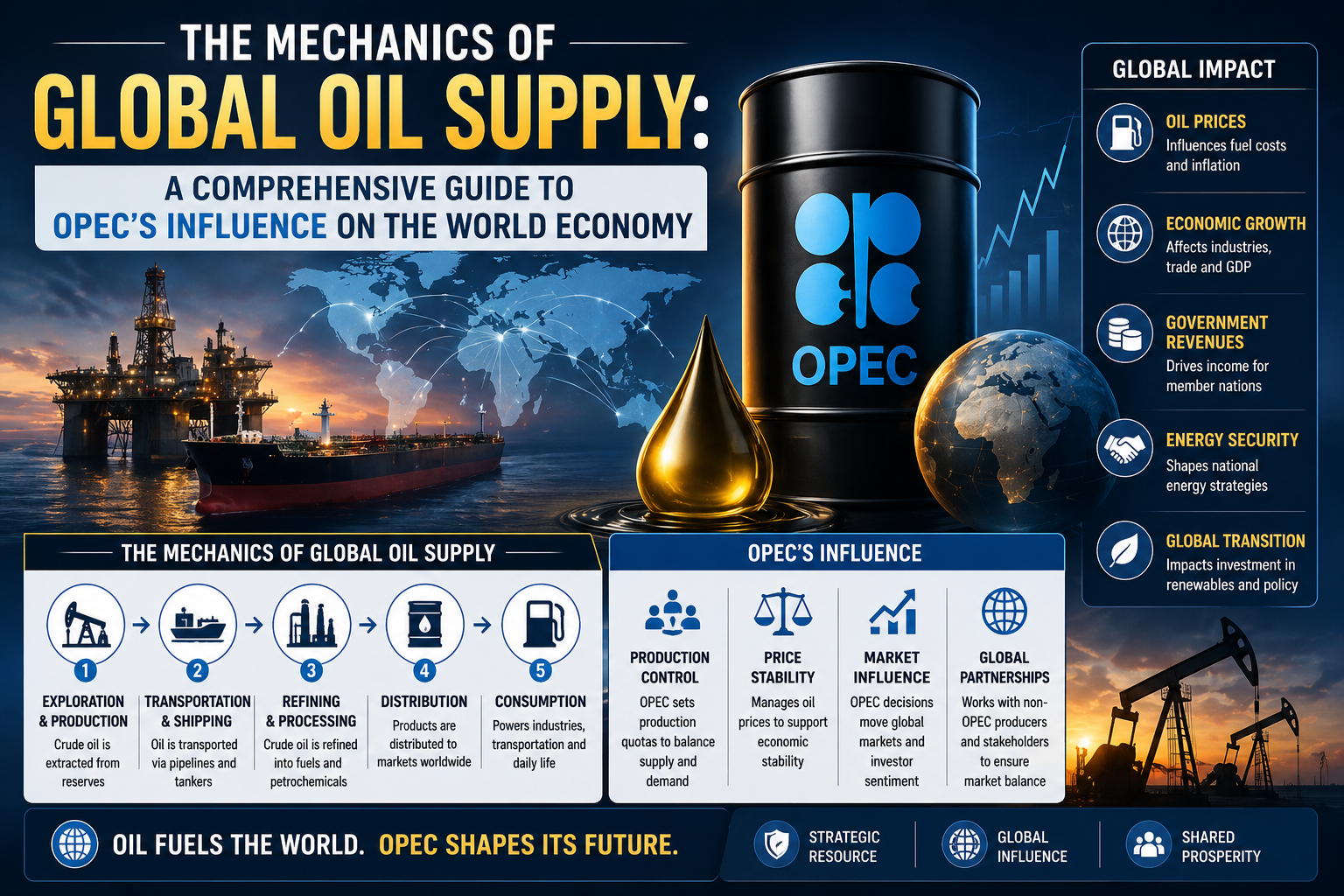
💡 The Mechanics of Global Oil Supply: A Comprehensive Guide to OPEC’s Influence on the World Economy
Explore how OPEC manages global oil prices, the role of production quotas, the shift toward OPEC+, and how the organization is navigating the global transition to renewable energy.
The Organization of the Petroleum Exporting Countries (OPEC) is a permanent intergovernmental body that coordinates the petroleum policies of its member nations to stabilize global oil markets and ensure a steady income for producers. By collectively deciding how much crude oil to pump, OPEC directly influences the global supply-and-demand balance, which in turn dictates the price of gasoline, heating oil, and aviation fuel worldwide. Its decisions affect everything from international shipping costs to the inflation rates of major industrial economies.
The Invisible Hand in the Global Energy Market
While the "invisible hand" usually refers to free-market forces, in the energy sector, that hand is often guided by the deliberate policy decisions of OPEC. The organization acts as a central coordinator for some of the world's largest oil-producing nations. When global demand drops—such as during an economic recession—OPEC may reduce production to prevent a price collapse. Conversely, when demand surges, the group can increase output to prevent prices from spiking to levels that might trigger a global economic slowdown.
This influence is not absolute, as non-OPEC producers like the United States, Canada, and Brazil play a massive role in the market. However, because OPEC members hold roughly 80% of the world's proven crude oil reserves, their collective actions remain the single most significant factor in long-term price trends.
The Genesis and Evolution of the Organization of the Petroleum Exporting Countries
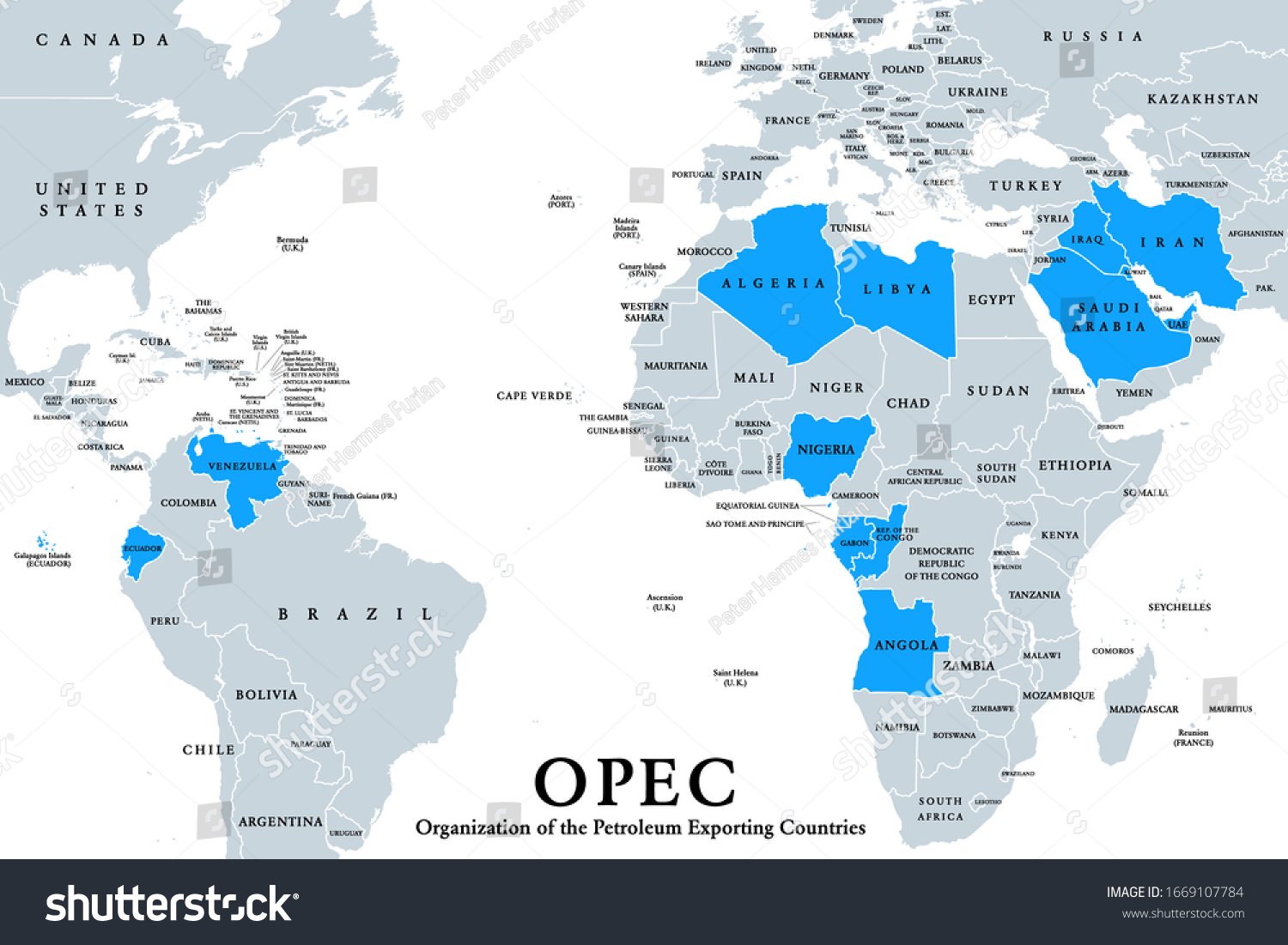
OPEC was founded in September 1960 during the Baghdad Conference. The five founding members—Iran, Iraq, Kuwait, Saudi Arabia, and Venezuela—sought to reclaim control over their natural resources. At the time, the global oil market was dominated by a group of multinational corporations known as the "Seven Sisters," which dictated prices and kept the lion's share of profits for Western interests.
Over the decades, the organization expanded its membership and its mission. It evolved from a defensive bloc into a proactive market regulator. The 1970s marked a turning point when the group demonstrated its geopolitical leverage, fundamentally changing how the world viewed energy security. Today, the organization faces a different set of challenges, including the rise of hydraulic fracturing (fracking) in the US and the global shift toward decarbonization.
Production Quotas and Market Stability: How OPEC Manages Global Crude Prices
The primary tool at OPEC’s disposal is the production quota. Each member country is assigned a specific volume of oil it is permitted to produce. These quotas are negotiated during bi-annual meetings in Vienna, Austria, or via emergency ministerial consultations.
The logic is simple: scarcity drives prices up, and abundance drives them down. However, managing these quotas is a delicate balancing act. If OPEC cuts production too much, prices may rise so high that they hurt global economic growth, eventually lowering demand for oil. If they produce too much, a supply glut can lead to a price war, damaging the national budgets of member states that rely heavily on oil revenue.
The Rise of OPEC+: Collaborative Strategies with Non-Member Nations
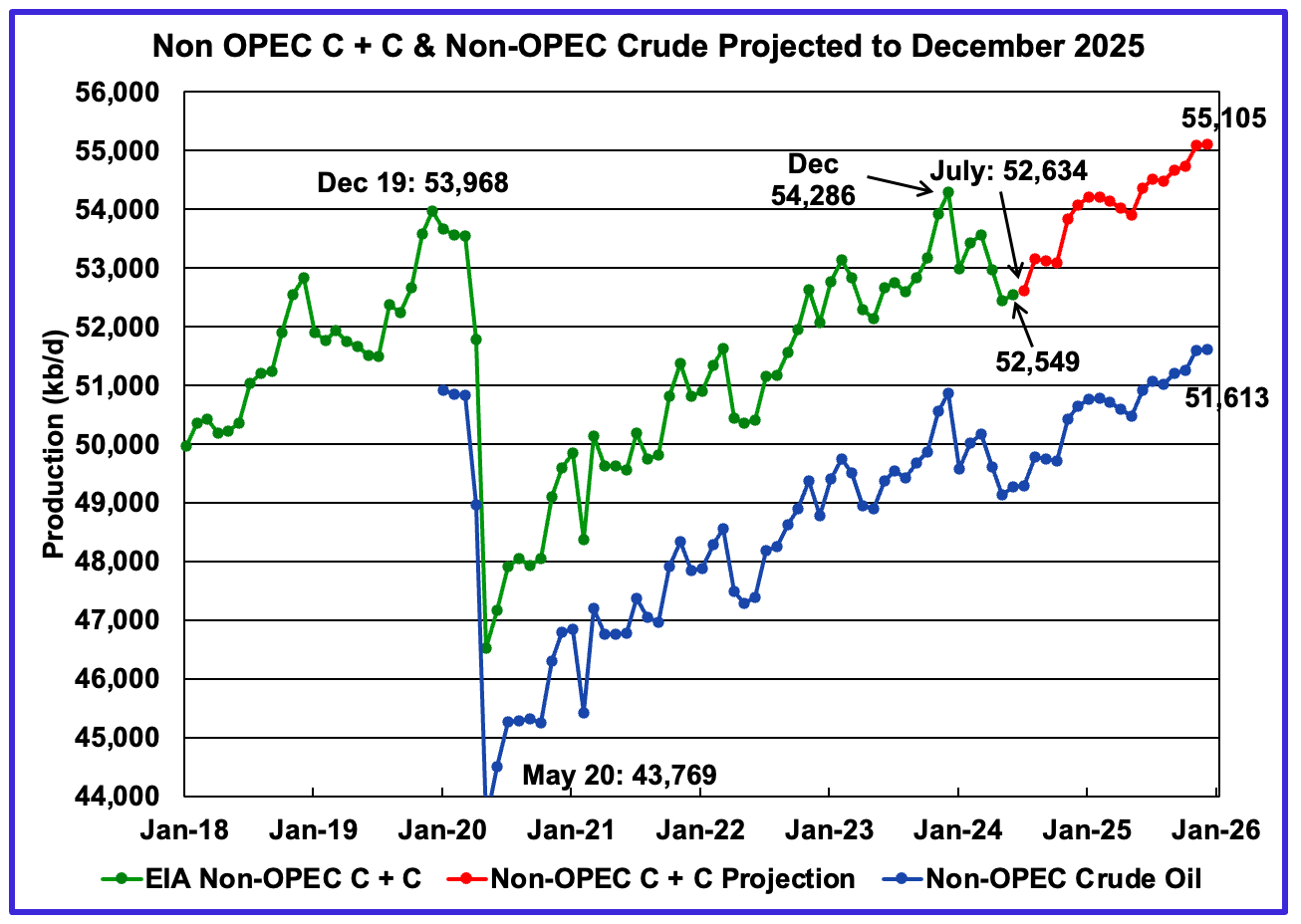
In recent years, OPEC realized that it could no longer control the market alone. The surge in US shale production significantly diluted OPEC's market share. In response, the group formed an alliance with several non-OPEC producers, most notably Russia, Kazakhstan, and Mexico. This expanded group is known as OPEC+.
OPEC+ allows for a more comprehensive management of global supply. By coordinating with Russia, the world’s other major oil heavyweight, the alliance can control a much larger percentage of global exports. This collaboration has been vital during periods of extreme volatility, such as the unprecedented demand drop during the 2020 global pandemic. However, this partnership also introduces complex geopolitical tensions, as the interests of Moscow do not always align with those of Riyadh or Abu Dhabi.
Geopolitical Leverage and the Economic Objectives of Member States
For many OPEC members, oil is not just a commodity; it is the backbone of their national identity and economy. Countries like Saudi Arabia, the UAE, and Kuwait use oil revenues to fund massive infrastructure projects, social welfare programs, and sovereign wealth funds. Consequently, their production decisions are often tied to "fiscal breakeven prices"—the price per barrel required to balance their national budgets.
However, membership is not without friction. Internal disagreements often arise when a country wants to increase production to pay for domestic needs while the group wants to cut production to raise prices. Recent shifts in membership, such as the United Arab Emirates exploring its own path to maximize its increased production capacity, highlight the tension between collective stability and national economic sovereignty. When a major producer leaves or threatens to leave, it signals a shift toward a more fragmented, competitive market.
Navigating the Energy Transition: OPEC’s Role in a Decarbonizing Global Economy
The greatest long-term threat to OPEC’s influence is the global transition to renewable energy. As electric vehicles (EVs) become more common and nations commit to "Net Zero" targets, the long-term demand for crude oil is expected to plateau and eventually decline.
OPEC’s current strategy involves a two-pronged approach:
- Efficiency and Carbon Capture: Investing in technologies to make oil extraction and refining less carbon-intensive.
- Economic Diversification: Using current oil profits to pivot toward hydrogen, solar, and petrochemicals. Programs like Saudi Arabia’s "Vision 2030" are designed to prepare these nations for a post-oil world.
Despite the rise of green energy, OPEC maintains that oil will remain a critical part of the global energy mix for decades, particularly in heavy industry, shipping, and plastics manufacturing.
Frequently Asked Questions Regarding OPEC Operations
How does OPEC affect the price I pay at the pump?
OPEC influences the price of crude oil, which is the primary raw material for gasoline. When OPEC reduces supply, crude oil prices rise. Refineries pass these higher costs on to consumers, leading to higher prices at the gas station.
Why would a country leave OPEC?
A country might leave if it feels that OPEC’s production quotas are too restrictive, preventing it from generating enough revenue. Nations with large investment plans or those wanting to maximize their growing production capacity may find the group's constraints counterproductive to their national interests.
What is the difference between OPEC and OPEC+?
OPEC consists of the 12-13 core member nations (mostly in the Middle East, Africa, and South America). OPEC+ is a larger coalition that includes the original members plus 10 additional non-member countries, including Russia, who agree to coordinate their production levels.
Does the US belong to OPEC?
No. The United States is a free-market producer where private companies decide how much oil to pump based on market prices. In fact, US law (such as the proposed NOPEC bill) has occasionally sought to challenge OPEC's ability to coordinate prices.
Can OPEC run out of oil?
While oil is a finite resource, OPEC members still hold the majority of the world's reserves. The challenge for OPEC is not running out of oil, but rather the world "running out of demand" for oil as alternative energy sources become cheaper and more accessible.
Important Note: Financial Disclaimer: This content is for educational purposes only and does not constitute professional financial advice. Always consult with a certified financial planner before making investment decisions.
Conclusion
OPEC remains the most influential force in the global energy landscape, acting as a stabilizer in a market prone to extreme volatility. However, the organization is currently at a crossroads. As it balances the internal pressures of its member states with the external pressures of the global energy transition and the rise of non-OPEC production, its role is shifting from a simple supply regulator to a complex geopolitical actor. Whether through the expanded OPEC+ alliance or through individual economic diversification, the decisions made in the boardrooms of OPEC will continue to shape the cost of living and the pace of the global economy for the foreseeable future.


Comments 0
Leave a Reply
Your email address will not be published. Required fields are marked *
Be the first to share your thoughts!