
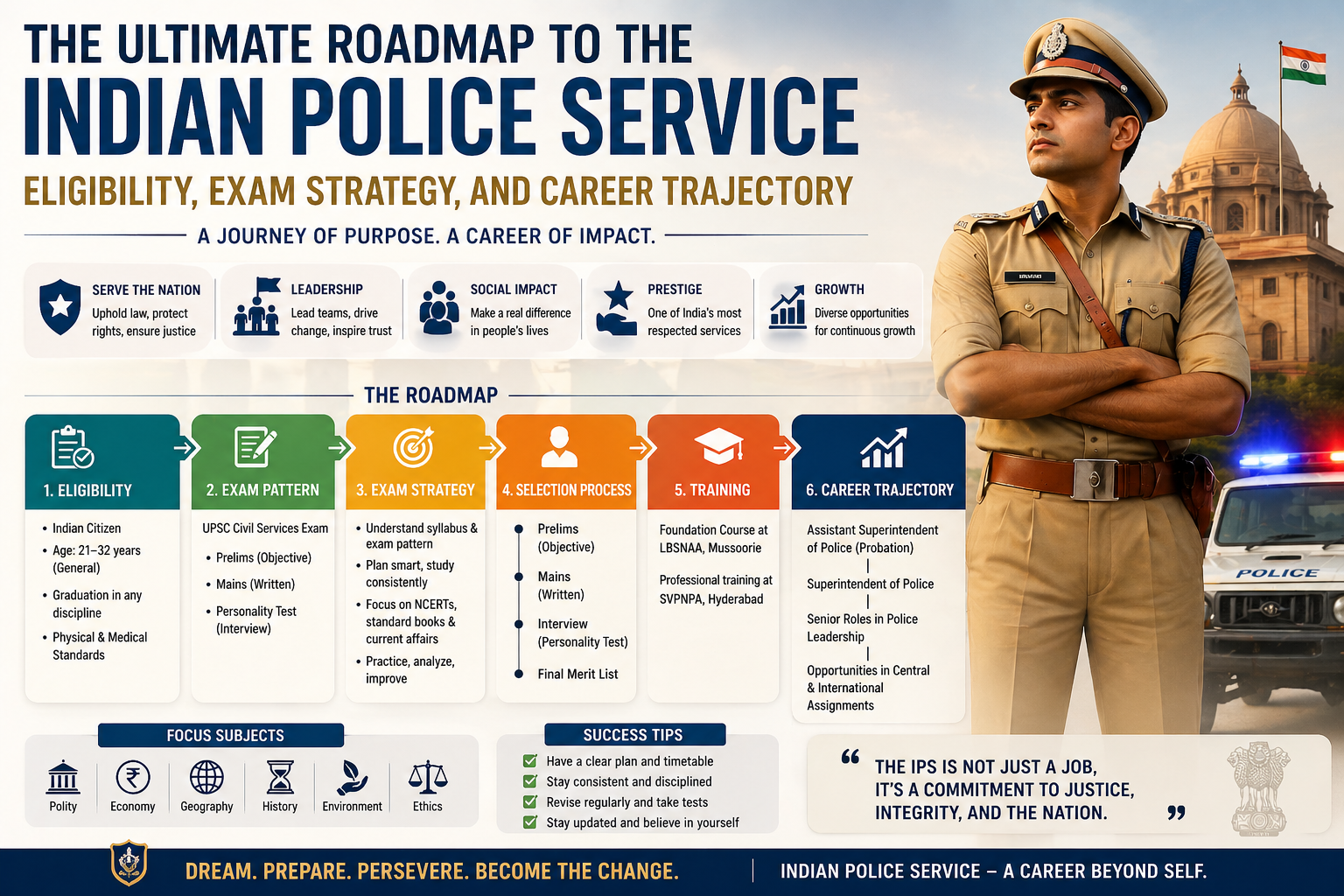
💡 The Ultimate Roadmap to the Indian Police Service: Eligibility, Exam Strategy, and Career Trajectory
A comprehensive guide on how to become an IPS officer, covering UPSC exam patterns, physical requirements, training at SVPNPA, and career growth.
To become an officer in the Indian Police Service (IPS), you must qualify for the Civil Services Examination (CSE) conducted annually by the Union Public Service Commission (UPSC). Candidates must be Indian citizens, hold a graduation degree from a recognized university, and meet specific physical standards regarding height and vision. Success in this career path requires passing a three-stage selection process—Prelims, Mains, and the Personality Test—followed by rigorous physical and professional training at the Sardar Vallabhbhai Patel National Police Academy (SVPNPA).
The Prestige and Responsibility of the Indian Police Service
The Indian Police Service is one of the three All India Services, alongside the Indian Administrative Service (IAS) and the Indian Forest Service (IFS). Beyond the allure of the khaki uniform and the Ashoka Pillar emblem, the IPS carries the massive responsibility of maintaining internal security, law and order, and public safety. An IPS officer is not just a law enforcer but a leader who manages large police forces, tackles organized crime, and ensures the delivery of justice at the grassroots level.
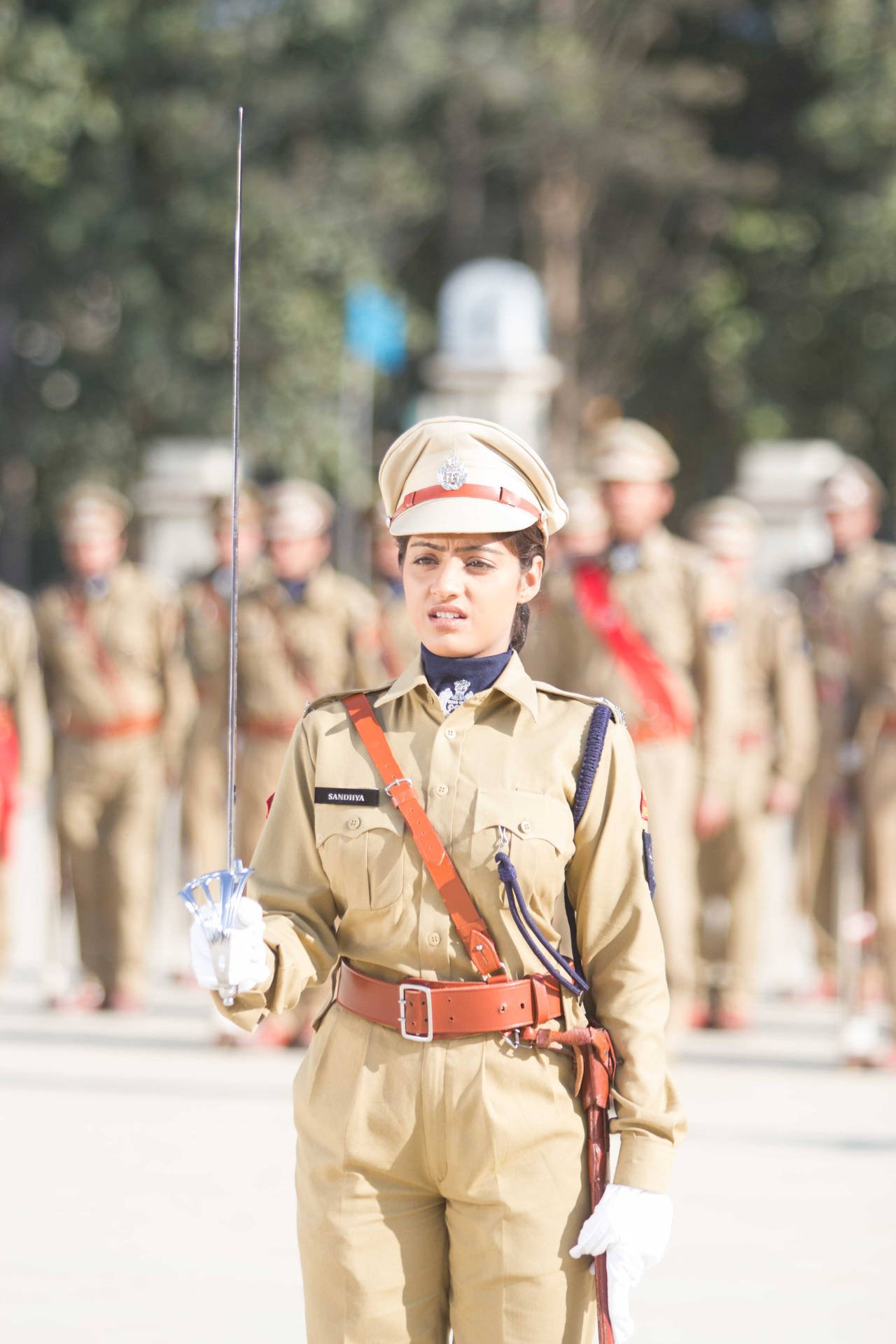
Core Eligibility Criteria: Nationality, Age Limits, and Educational Qualifications
Before beginning your preparation, it is vital to ensure you meet the baseline requirements set by the UPSC. Unlike some other civil services, the IPS has strict nationality and physical mandates.
- Nationality: You must be a citizen of India.
- Education: You must hold a degree from any recognized university in any discipline. Candidates in their final year of graduation can apply for the Preliminary exam but must produce proof of passing for the Main exam.
- Age Limit: The minimum age is 21 years. The upper age limit for the General category is 32 years. Relaxations apply for other categories: 35 years for OBC and 37 years for SC/ST.
- Number of Attempts: General category candidates have 6 attempts, OBC candidates have 9, and SC/ST candidates have unlimited attempts until they reach the age limit.
Physical and Medical Standards: Meeting the Rigorous Demands
The IPS is a physically demanding service. Even if you secure a top rank in the UPSC exam, you will not be allocated to the IPS if you fail to meet the medical standards. These checks are conducted at designated hospitals after the interview stage.
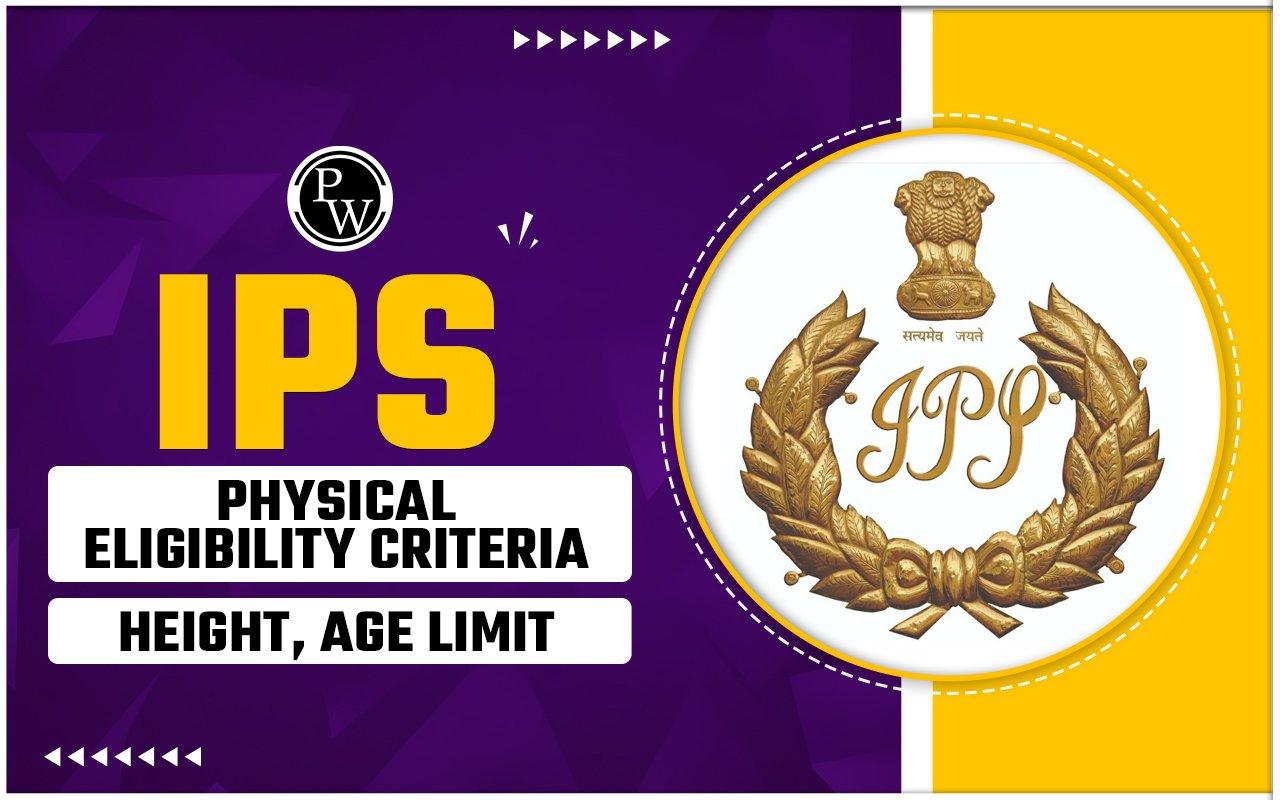
Key physical requirements include:
- Height: Minimum 165 cm for Men and 150 cm for Women. (Relaxations exist for candidates from specific regions like Nagaland, Mizoram, etc.).
- Chest: Minimum 84 cm for Men (5 cm expansion) and 79 cm for Women (5 cm expansion).
- Vision: 6/6 or 6/9 distant vision for the better eye. High standards are also required for color vision and binocular vision.
- Hearing: Good listening spectrum and no significant hearing impairment.
Decoding the UPSC Civil Services Examination: A Three-Tiered Selection Process
The journey to the IPS is a marathon, not a sprint. The UPSC CSE is divided into three distinct phases:
- Preliminary Examination: This is a qualifying round consisting of two objective-type papers: General Studies I and the Civil Services Aptitude Test (CSAT). While CSAT requires only 33% to pass, the marks in GS I determine your entry into the next stage.
- Main Examination: This is the descriptive phase. It consists of 9 papers, including an Essay, four General Studies papers, two Optional Subject papers, and two qualifying language papers. Your depth of knowledge, analytical ability, and writing speed are tested here.
- Personality Test (Interview): Candidates who clear the Mains are called to the UPSC headquarters in New Delhi. A board of observers assesses your personality, integrity, presence of mind, and suitability for a career in law enforcement.
The Transformation Phase: Training at SVPNPA and Foundation Courses
Once selected, your journey begins with the Foundation Course at the Lal Bahadur Shastri National Academy of Administration (LBSNAA) in Mussoorie. Here, you train alongside IAS and IFS probationers.

Following the foundation, IPS probationers move to the Sardar Vallabhbhai Patel National Police Academy (SVPNPA) in Hyderabad. This phase is intense, involving physical training, weapons handling, horse riding, and learning the nuances of the Indian Penal Code (IPC), Code of Criminal Procedure (CrPC), and Evidence Act. The training is designed to build the mental and physical resilience required for field operations.
Career Progression and Hierarchy: From Assistant Superintendent to Director General
An IPS officer's career is marked by steady growth and increasing levels of jurisdiction. While the exact titles may vary slightly by state, the standard progression is as follows:
- Assistant Superintendent of Police (ASP): The starting rank during the probationary period.
- Superintendent of Police (SP) / Deputy Commissioner of Police (DCP): Handling a district or a specific zone in a city.
- Deputy Inspector General of Police (DIG): Supervising a range of districts.
- Inspector General of Police (IGP): Heading a large administrative zone.
- Additional Director General (ADGP) and Director General of Police (DGP): The DGP is the highest-ranking officer in a state police force.
IPS officers also have opportunities to serve in central agencies like the Intelligence Bureau (IB), Central Bureau of Investigation (CBI), and National Investigation Agency (NIA).
Essential Skills and Attributes for Success
Beyond the books and the physical training, a successful IPS officer must possess specific soft skills:
- Integrity: Maintaining high ethical standards in the face of political or social pressure.
- Emotional Intelligence: Dealing with victims of crime and managing public grievances with empathy.
- Decision-Making: The ability to make split-second decisions during riots or emergency situations.
- Communication: Effectively interacting with the public, the media, and subordinates.
Conclusion
The path to becoming an IPS officer is rigorous and requires immense dedication, but the reward is a career defined by impact and national service. By understanding the eligibility criteria, mastering the UPSC syllabus, and maintaining peak physical fitness, you can navigate this roadmap successfully. It is a journey that transforms a student into a guardian of the law, offering a unique opportunity to secure the nation and serve its citizens with honor.




Comments 0
Leave a Reply
Your email address will not be published. Required fields are marked *
Be the first to share your thoughts!