
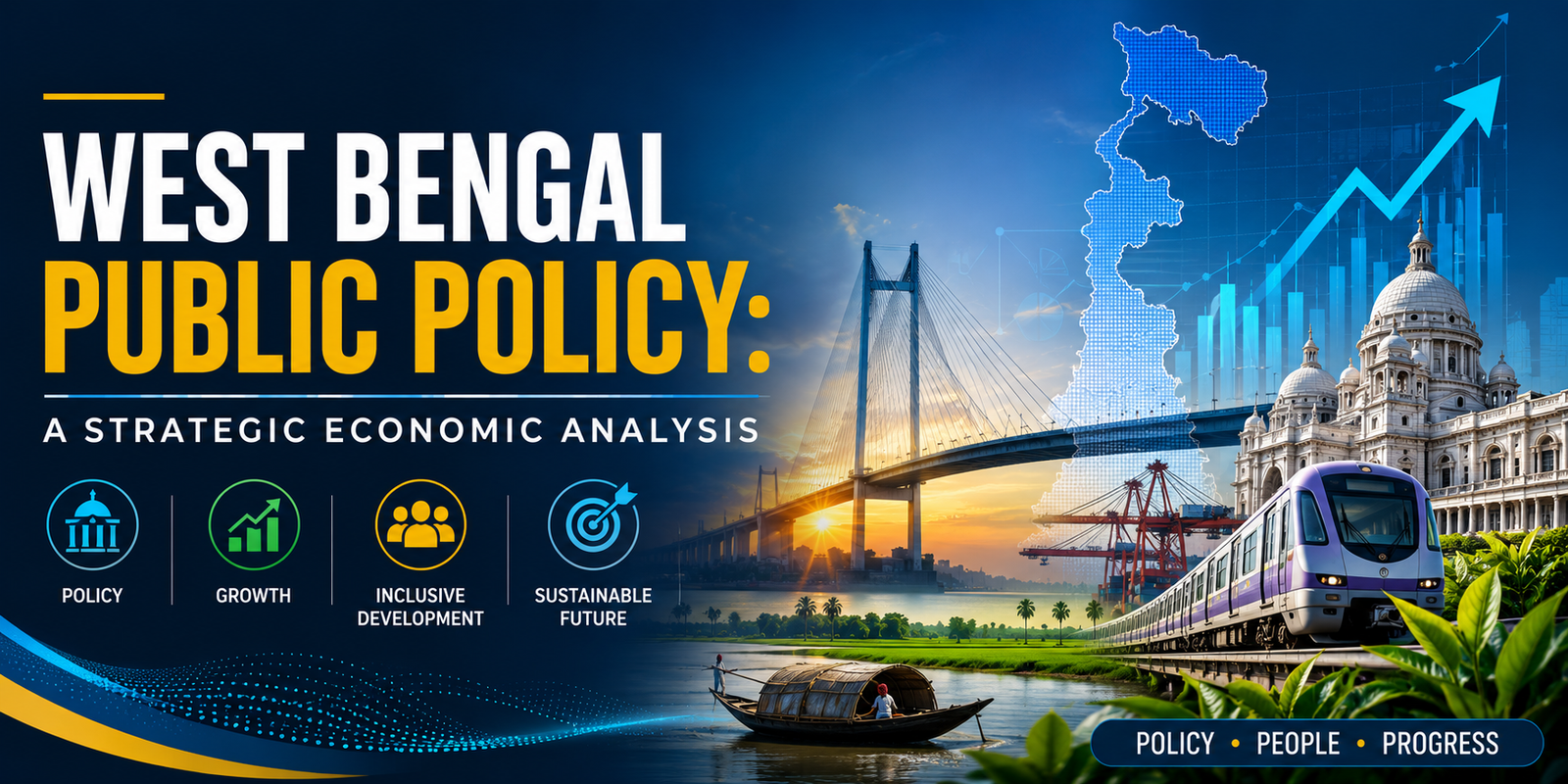
💡 West Bengal Public Policy: A Strategic Economic Analysis
An authoritative analysis of West Bengal public policy, focusing on MSME growth, social welfare schemes, fiscal health, and digital governance models.
Executive Summary
West Bengal occupies a unique position in India’s geopolitical and economic landscape. As the fourth-largest state economy by Gross State Domestic Product (GSDP), its public policy framework has shifted significantly over the last decade. Key findings indicate a heavy reliance on social safety nets, a robust push for Micro, Small, and Medium Enterprises (MSMEs), and a transition toward digital governance. While the state has maintained a GSDP growth rate of approximately 8.41 percent in recent fiscal cycles, challenges remain regarding the debt-to-GSDP ratio, which stands at nearly 37 percent. This report analyzes the strategic pillars of West Bengal's policy, from the award-winning Kanyashree Prakalpa to the aggressive expansion of the Silicon Valley Hub in Rajarhat.
Introduction
West Bengal serves as the primary gateway to Eastern India and the ASEAN markets. Its public policy is defined by a dual-track strategy: aggressive social engineering through direct benefit transfers and an industrial focus on decentralized manufacturing. Unlike the capital-intensive models seen in Western India, West Bengal has prioritized human capital and rural consumption. This approach has allowed the state to maintain social stability while navigating the complexities of a transitioning economy. To understand the future of this region, one must analyze the intersection of fiscal discipline, social welfare, and infrastructure development.
THE DEEP DIVE: Strategic Pillars of West Bengal Policy
1. The MSME and Industrial Framework
West Bengal leads the nation in the number of MSME units, with over 90 lakh registered enterprises providing employment to nearly 1.35 crore people. The state policy focuses on cluster-based development, moving away from the large-scale land acquisition models that historically faced political resistance. By fostering small-scale manufacturing, the government has mitigated large-scale unemployment. However, the lack of Tier-1 heavy industry remains a point of debate among economists. For a broader perspective on how institutional frameworks shape national progress, consider the NCERT Strategic Analysis of India’s education powerhouse, which highlights the role of standardized learning in building a workforce capable of supporting such industrial shifts.
2. Social Welfare and Direct Benefit Transfers (DBT)
The hallmark of West Bengal’s public policy is its comprehensive social safety net. Schemes like Lakshmir Bhandar, which provides financial assistance to female heads of households, and Kanyashree Prakalpa, aimed at preventing child marriage through educational incentives, have become global case studies. The Kanyashree scheme, in particular, received the United Nations Public Service Award for its impact on female literacy and empowerment. These policies are designed to stimulate rural demand, ensuring that even during global economic downturns, the local consumption economy remains resilient.
3. Digital Governance and Duare Sarkar
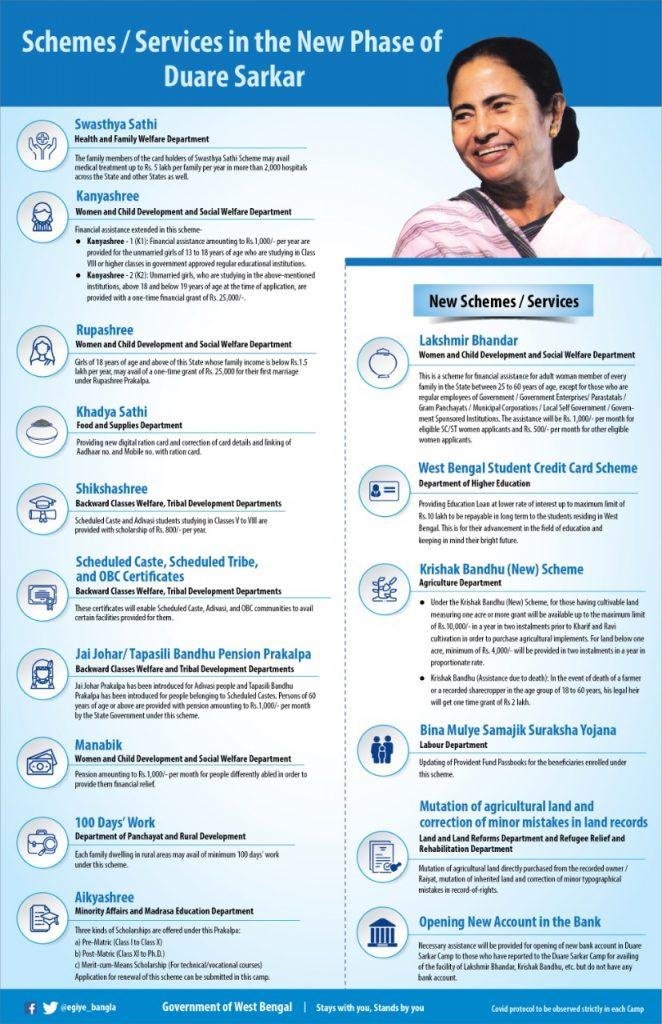
The Duare Sarkar (Government at your Doorstep) initiative represents a paradigm shift in public service delivery. By organizing localized camps to process applications for 35 different government schemes, the state has eliminated middleman interference and increased administrative transparency. Data shows that over 10 crore applications have been processed since its inception. This push for digital inclusion and administrative efficiency mirrors the technological leaps seen in other sectors, such as the ISRO Strategic Analysis which details how precision and data-driven management lead to national success.
4. Fiscal Health and Revenue Generation
The state’s fiscal policy is a subject of intense scrutiny. While tax revenue has seen a steady increase, the high expenditure on subsidies and welfare schemes has led to a significant debt burden. The 2023-24 budget estimates suggest a focus on capital expenditure to bridge infrastructure gaps, yet the debt-to-GSDP ratio remains one of the highest in India. Strategic investment from private equity and global funds is essential to transition from a consumption-led economy to an investment-led one. Insights into how high-level capital management works can be found in the Longrange Capital Strategic Analysis, which examines the mechanics of private equity in emerging markets.
5. Agriculture and Rural Infrastructure
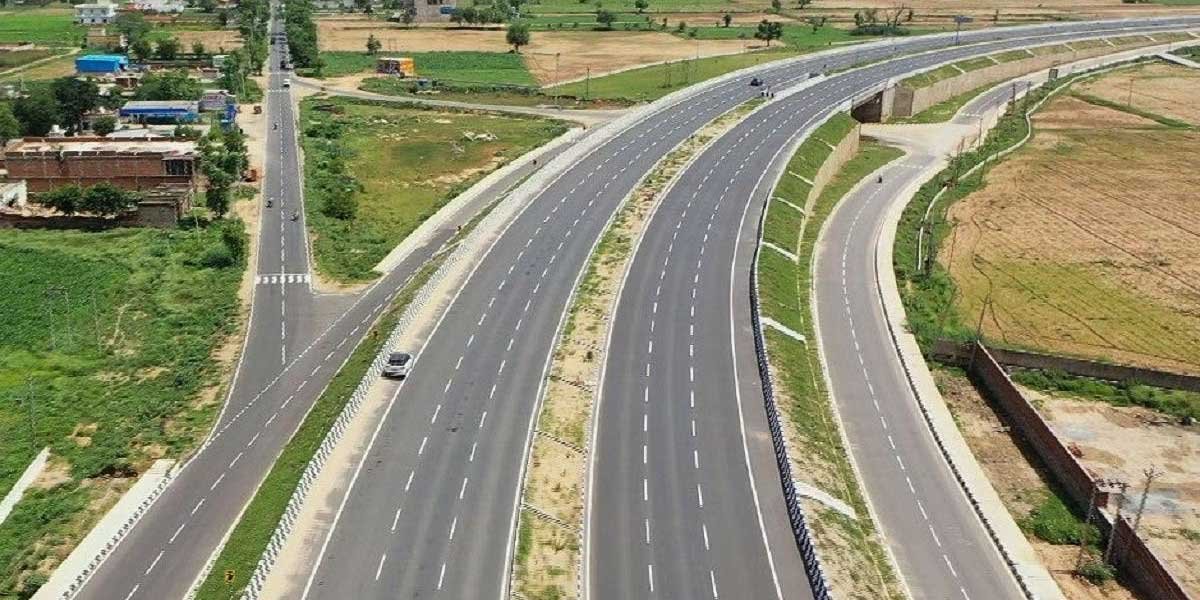
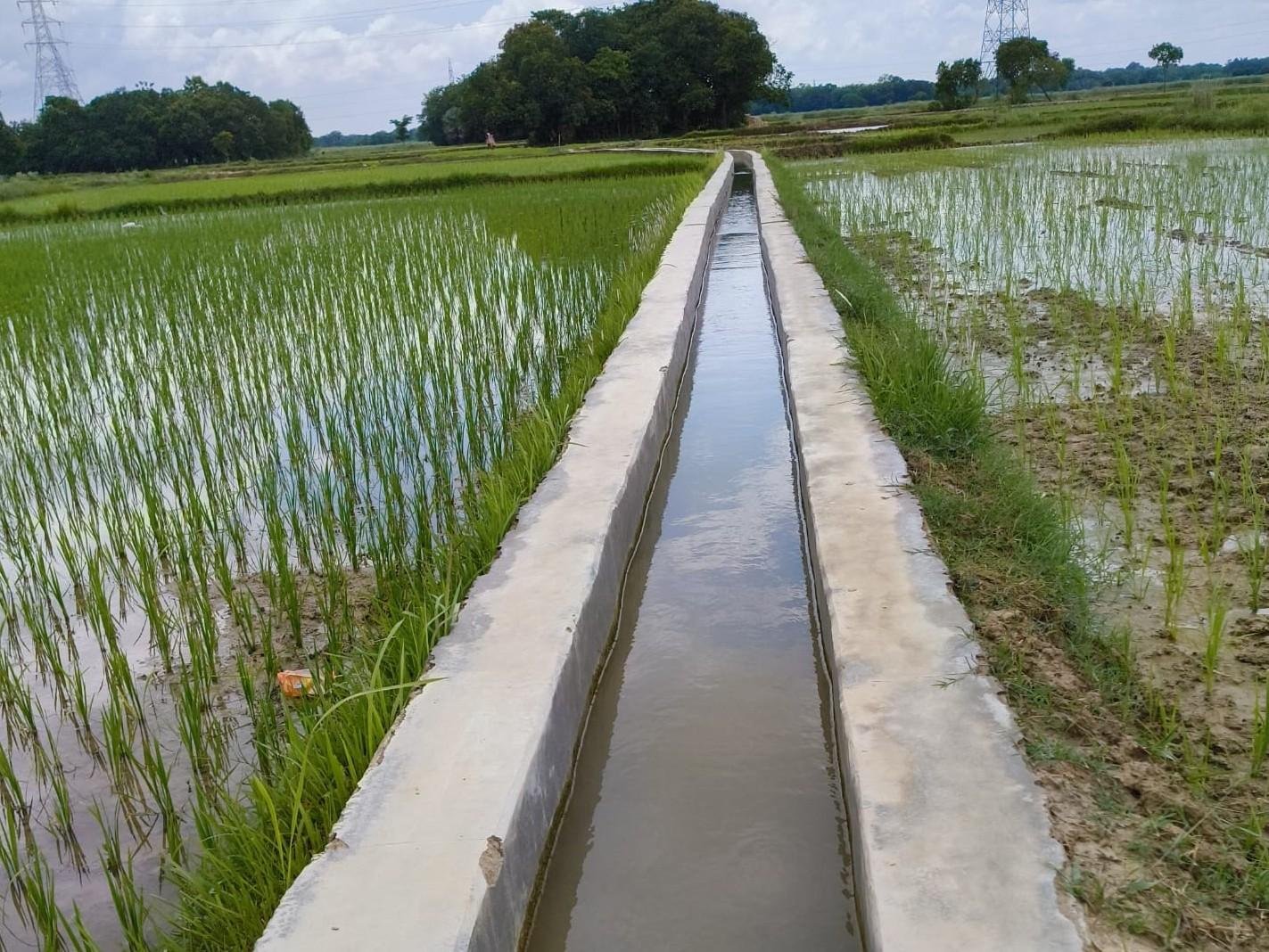
West Bengal remains the largest producer of rice and jute in India. Public policy here focuses on the Krishak Bandhu scheme, providing financial aid and life insurance to farmers. The state has achieved nearly 100 percent rural electrification and has made significant strides in rural road connectivity under the Pathashree-Rastashree project. These investments are critical for maintaining the supply chain that feeds the urban centers of Kolkata and its surrounding industrial belts.
WHAT THIS MEANS FOR YOU
- For Investors: The focus on MSMEs and the IT sector (Silicon Valley Hub) offers significant opportunities for mid-market investments and service-based startups.
- For Policy Analysts: West Bengal provides a unique model of how social welfare can be used as a tool for political and social stability in a high-density population area.
- For Residents: Access to government services has become more streamlined through digital platforms and localized camps, reducing the cost of living and administrative friction.
- For Job Seekers: The growth is concentrated in the gig economy, MSME manufacturing, and the burgeoning IT/ITeS sector in New Town and Salt Lake.
Expert Verdict / Future Outlook
The future of West Bengal public policy depends on its ability to balance welfare spending with industrial scaling. While the social safety net has successfully reduced extreme poverty and improved gender parity in education, the state must now pivot toward attracting large-scale private investment. The proposed Tajpur Deep Sea Port and the expansion of industrial corridors like the Dankuni-Haldia stretch are pivotal. If the state can successfully leverage its geographical advantage as a link to the Northeast and Southeast Asia, it could see a GDP surge that matches or exceeds the national average. The transition from a welfare-first model to a balanced growth model is the next logical step in its economic evolution.
FAQ
- What is the primary driver of West Bengal's economy? The MSME sector and agriculture are the primary drivers, with the IT and ITeS sectors showing rapid growth in urban centers.
- How does the Duare Sarkar program work? It is an outreach program where government officials set up camps in local neighborhoods to provide immediate access to welfare schemes and administrative services.
- What is the status of industrialization in West Bengal? The state focuses on industrial clusters and MSMEs. Large-scale industrialization is currently being pushed through the development of the Silicon Valley Hub and deep-sea port projects.
- Is West Bengal's debt a concern for its public policy? Yes, the high debt-to-GSDP ratio limits the state's ability to increase capital expenditure, making private investment and central grants crucial.
- What are the key social welfare schemes? Key schemes include Kanyashree (for girls' education), Lakshmir Bhandar (for women's financial support), and Swasthya Sathi (for universal health insurance).
Conclusion
West Bengal’s public policy framework is a sophisticated blend of grassroots social engineering and incremental economic reform. By prioritizing the MSME sector and social safety nets, the state has built a resilient, consumption-driven economy. However, the path to becoming a global industrial powerhouse requires a more aggressive stance on attracting Tier-1 investments and managing fiscal deficits. As the state continues to refine its digital governance and infrastructure, it remains a critical player in India’s overall growth narrative.




Comments 0
Leave a Reply
Your email address will not be published. Required fields are marked *
Be the first to share your thoughts!