

Beginner’s Guide to Intermittent Fasting (16:8 Method Explained)
Intermittent fasting can feel a bit intimidating at first. Skipping meals, waiting hours to eat it sounds harder than it actually is. But once you get into the rhythm, something shifts. You stop thinking about food all the time, snacking becomes less tempting, and your body slowly adjusts in a way that feels natural.
If you’re just starting out, the 16:8 method is one of the easiest ways to begin. Let’s break it down in a way that fits real life.
What Is Intermittent Fasting?
Intermittent fasting (IF) isn’t about cutting out your favorite foods. It’s about giving your body a break from constant eating. Instead of eating throughout the day, you follow a simple pattern with a fasting period and an eating window. No strict rules. No complicated plans.
What Is the 16:8 Method?
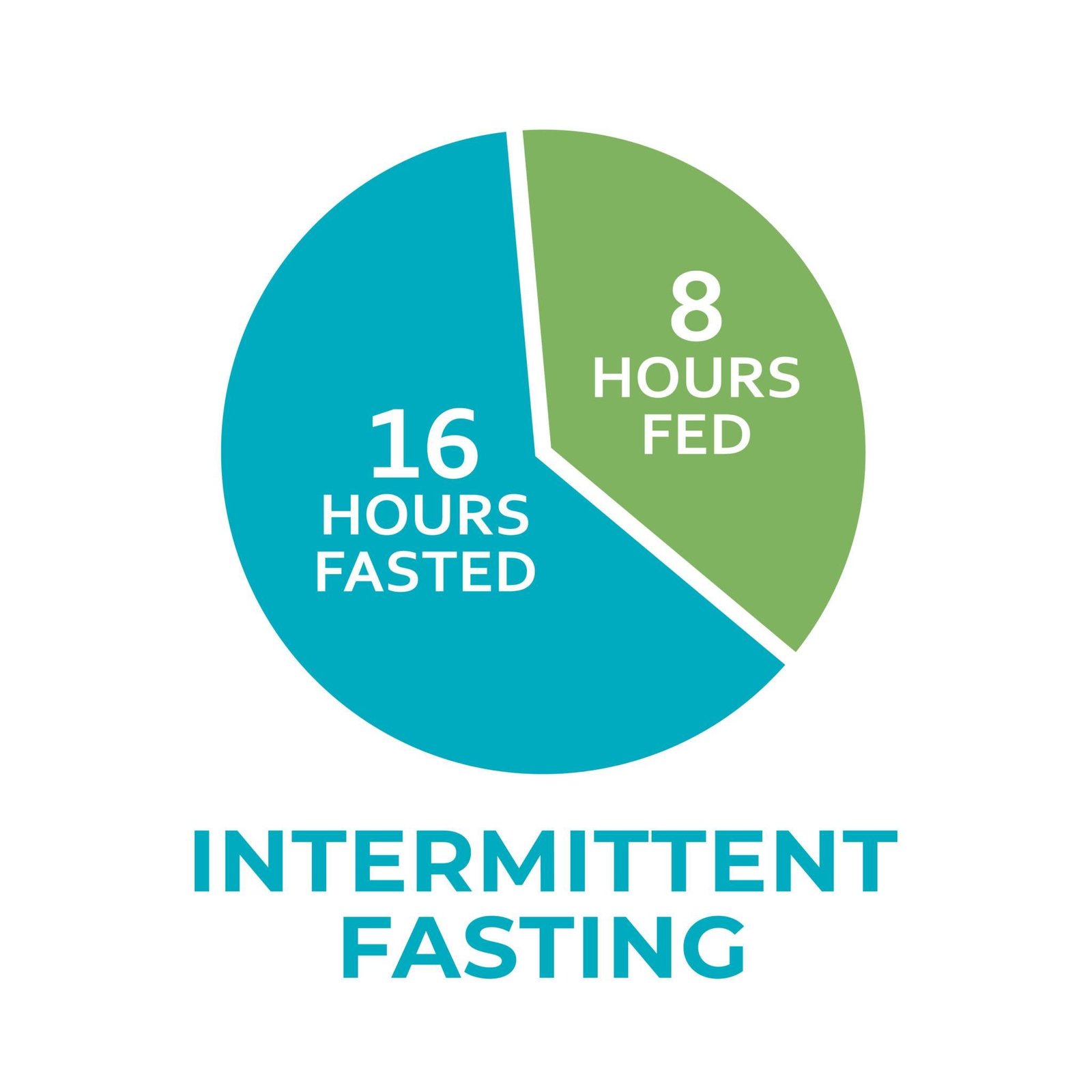
The 16:8 method means you fast for 16 hours and eat within an 8-hour window. A common routine is finishing your last meal at 8 PM and eating your first meal at 12 PM the next day. During fasting, you can drink water, black coffee, or herbal tea, but no sugar or snacks. It may feel challenging at first, but your body adapts faster than you expect.
Why the 16:8 Method May Help Some People
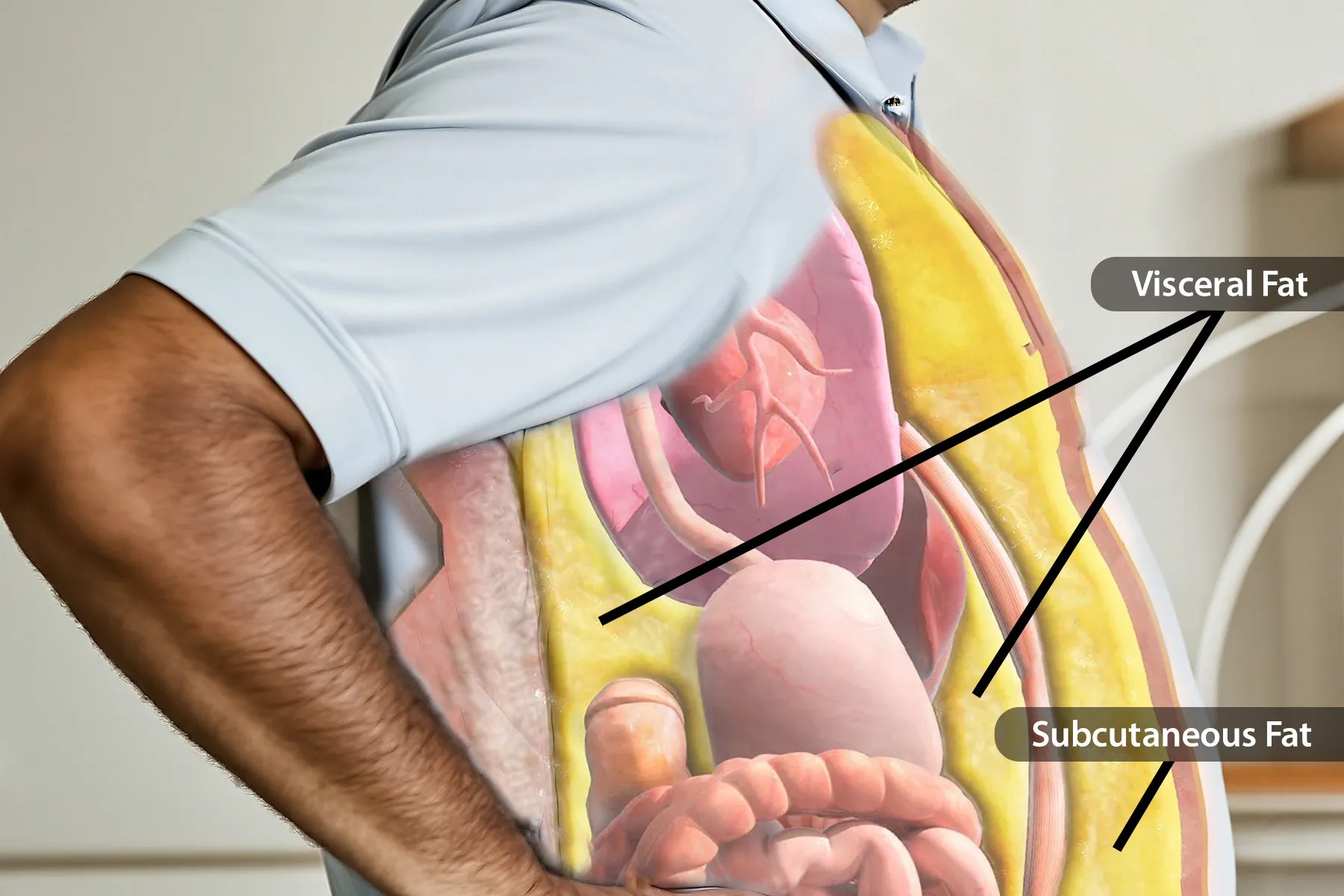
When eating patterns change, the body may adjust how it uses energy. Some people may notice changes in appetite and how their body manages stored energy over time. Snacking habits also reduce naturally.
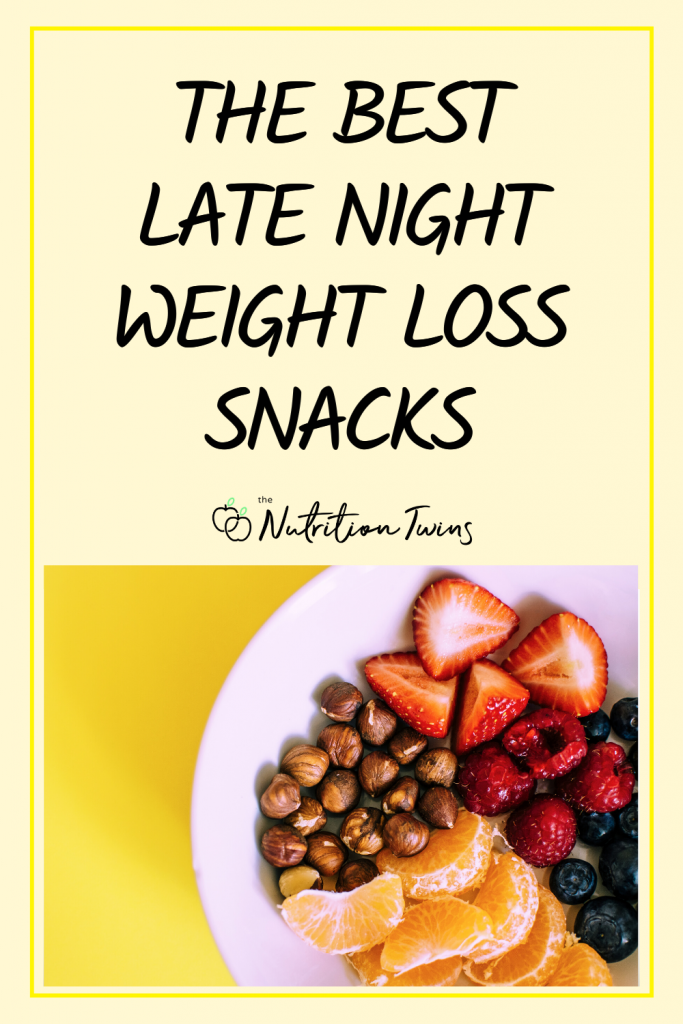
Think about someone like John, who used to snack late at night without thinking. After starting 16:8 and stopping food after 8 PM, those cravings slowly disappeared. He didn’t force it, and over time the habit gradually became easier.
How to Start Intermittent Fasting
Starting doesn’t have to feel overwhelming. Begin with a 12 14 hour fast and slowly build up to 16 hours. Choose a schedule that fits your lifestyle, like 12 PM to 8 PM or 10 AM to 6 PM. Focus on balanced meals with protein, fiber, and healthy fats. Stay hydrated throughout the day. And most importantly, be flexible. If you miss a day, just continue the next.
What to Eat During the Eating Window
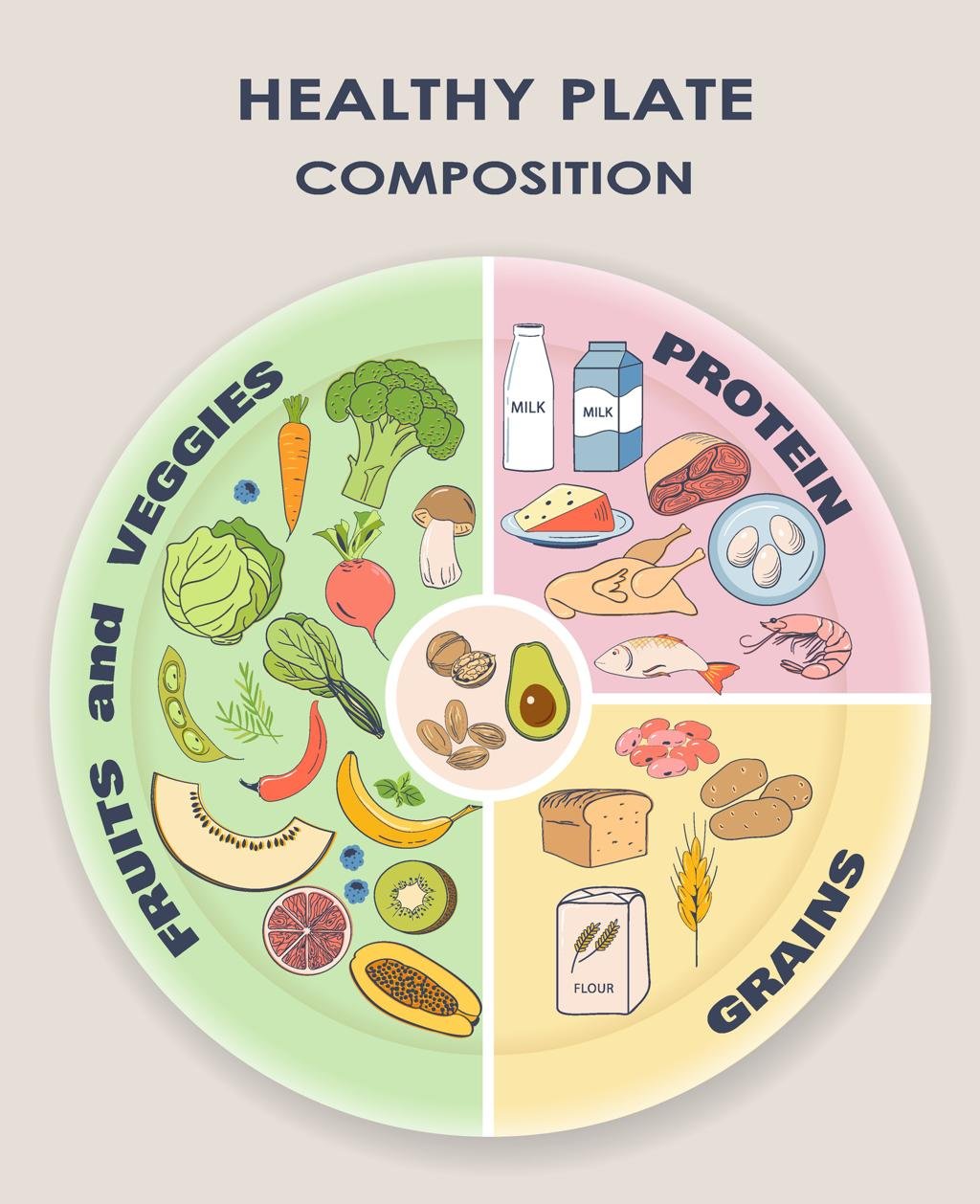
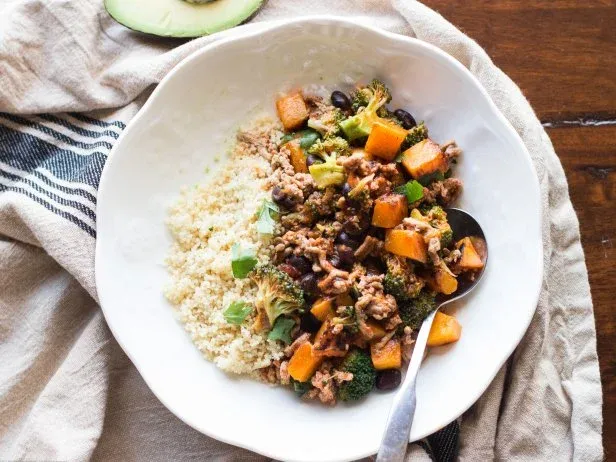
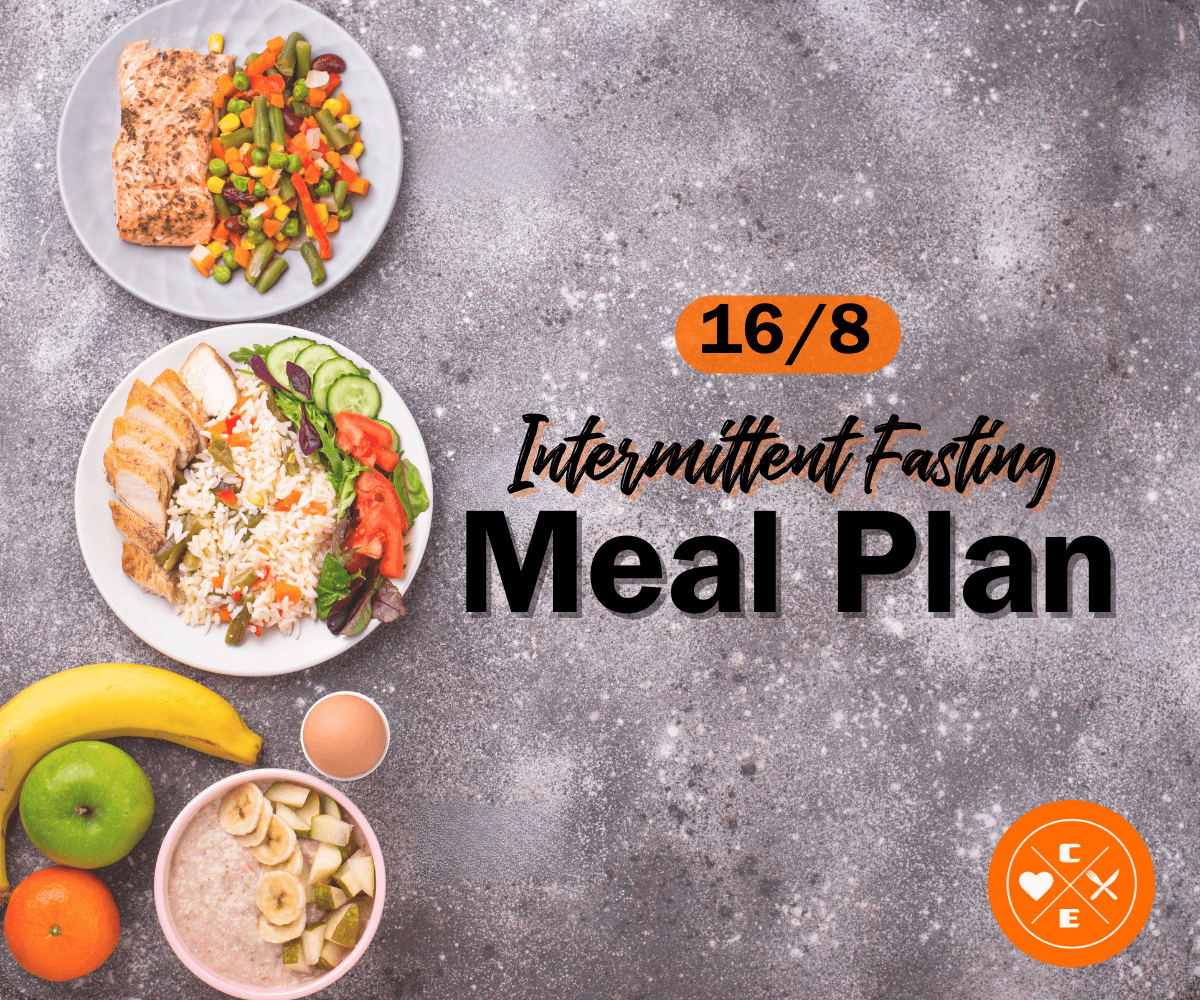
What you eat still matters. Build your meals around lean protein like chicken or beans, whole carbs like rice or oats, healthy fats like nuts or olive oil, and plenty of vegetables. You don’t need complicated recipes. A simple home-cooked meal is more than enough.
Common Mistakes Beginners Make
Many beginners try to eat too much during their eating window, thinking they need to make up for fasting. Others ignore nutrition and focus only on timing. Starting too aggressively or ignoring sleep can also make fasting harder. A balanced approach works best.
Pros and Cons of the 16:8 Method
The 16:8 method is easy to follow and doesn’t require calorie counting. It helps reduce unnecessary snacking and fits into most lifestyles. However, the first few days can be uncomfortable due to hunger. It may not suit everyone, and social schedules may need adjustment. Consistency is key to seeing results.
Why Trust This Information?
This guide is based on widely accepted nutrition and metabolic principles, along with real-life experiences from people who follow intermittent fasting consistently. It reflects how the body responds to structured eating patterns, including changes in insulin levels, energy use, and hunger signals. The focus is on sustainable habits rather than quick fixes, making it practical for everyday life. Since every individual is different, results can vary depending on lifestyle, sleep, activity, and food quality. This content is designed to guide and inform while encouraging a balanced approach.
Frequently Asked Questions (FAQ)
Can I drink coffee while fasting?
Yes, as long as it’s black without sugar or milk.
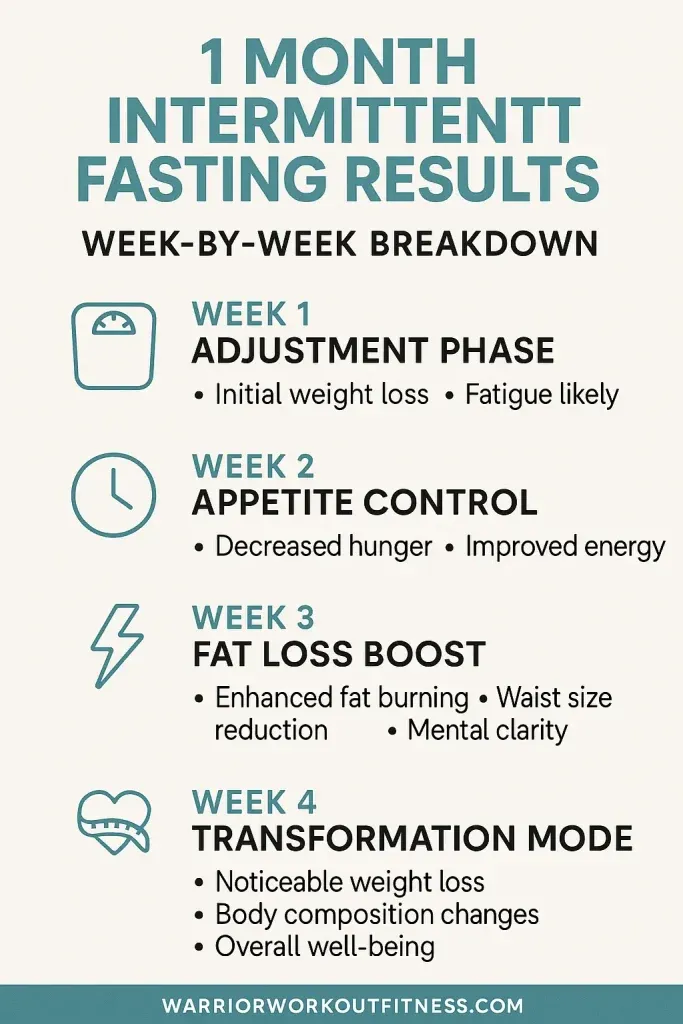
How soon will I see results?
Some people may notice changes within a couple of weeks, especially in energy levels and appetite.
Can I exercise while fasting?
Yes, light to moderate exercise is usually fine.
What if I feel too hungry?
Start with a shorter fasting window and increase gradually.
Is the 16:8 method safe?
For most healthy adults, yes, but consult a doctor if you have any health concerns.
Expert Opinion
The 16:8 method works because it simplifies eating and reduces mindless snacking without strict rules. It creates structure in your day while still allowing flexibility. Long-term success depends on consistency, balanced nutrition, and overall lifestyle rather than just fasting hours.
Disclaimer
This content is for general informational purposes only and is not medical advice. Please consult a qualified healthcare professional before making any dietary or lifestyle changes.
Conclusion
Intermittent fasting doesn’t need to be complicated. The 16:8 method offers a simple, flexible way to improve your eating habits. At first, it may feel unfamiliar, but over time it becomes easier and more natural. That’s when it turns into a habit you can actually maintain.
Related Media
Image Gallery





Comments 0
Leave a Reply
Your email address will not be published. Required fields are marked *
Be the first to share your thoughts!