

Does Intermittent Fasting Really Work? Real Results & Tips
Intermittent fasting is everywhere right now. You’ve probably seen transformation photos or heard someone talk about how it changed their routine. But beyond all that, there’s one honest question most people ask: does it actually work, or is it just another trend?
The truth is, intermittent fasting can work. Not because it’s some magic solution, but because it changes your habits. It gives structure to your day, reduces unnecessary eating, and helps your body use energy differently. And sometimes, that simple shift is exactly what people need.
What Is Intermittent Fasting?
Intermittent fasting (IF) is all about timing your meals. Instead of eating throughout the day, you cycle between a fasting period and an eating window. The most common method is the 16:8 approach, where you fast for 16 hours and eat within an 8-hour window. Some people adjust this to 14:10 or 18:6 depending on what feels manageable.
There are no strict food rules, which is why many people find it easier to follow than traditional diets.
Does Intermittent Fasting Really Work?
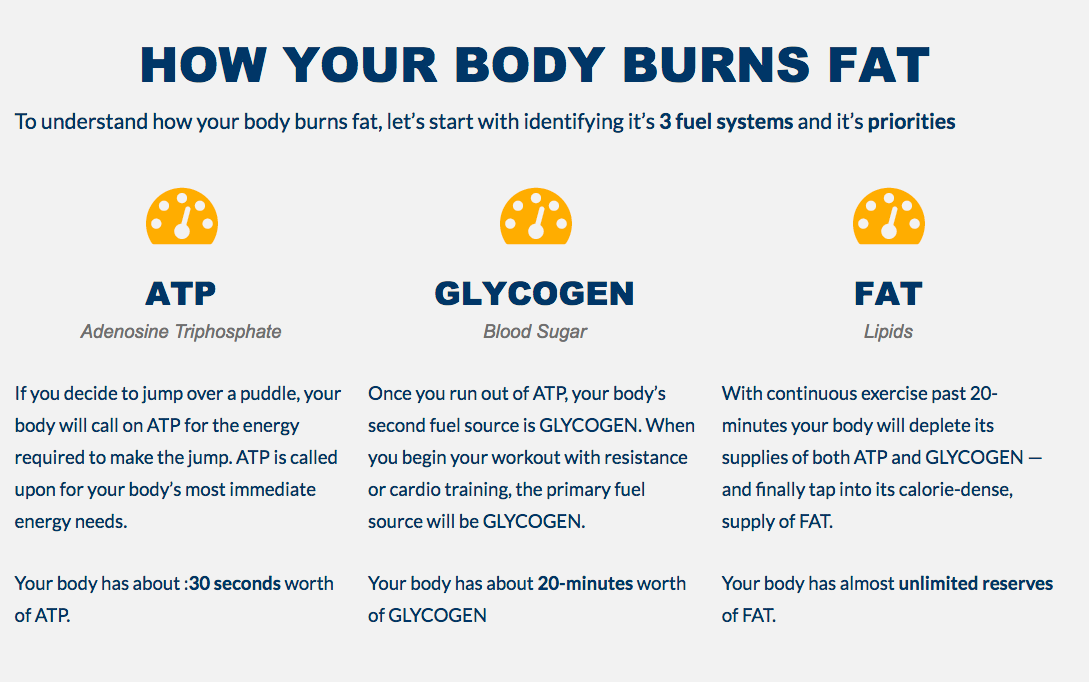
Yes, it may work for some people, but the results are not the same for everyone.
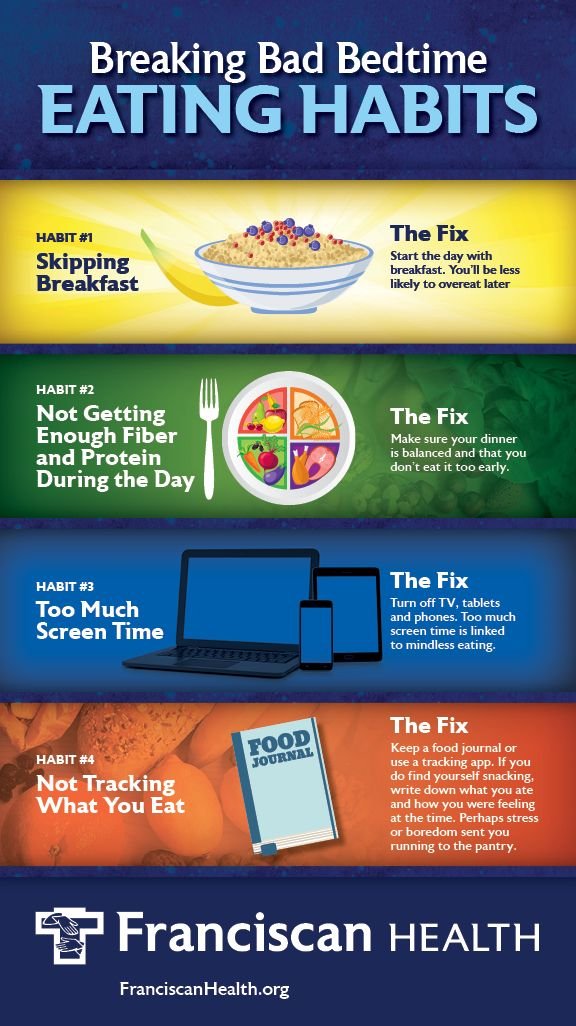
One of the biggest reasons it works is because it reduces mindless eating. Many of us eat out of habit, boredom, or routine rather than real hunger. When you follow a structured eating window, those extra snacks naturally disappear.
It also helps your body shift into fat-burning mode. When you’re not constantly eating, your body may start using stored energy for fuel when eating patterns change. This process takes time, but it becomes more efficient with consistency.
Another important change is awareness. You begin to recognize the difference between actual hunger and just wanting to eat. That alone can completely change your relationship with food.
Real Results: What People Actually Experience
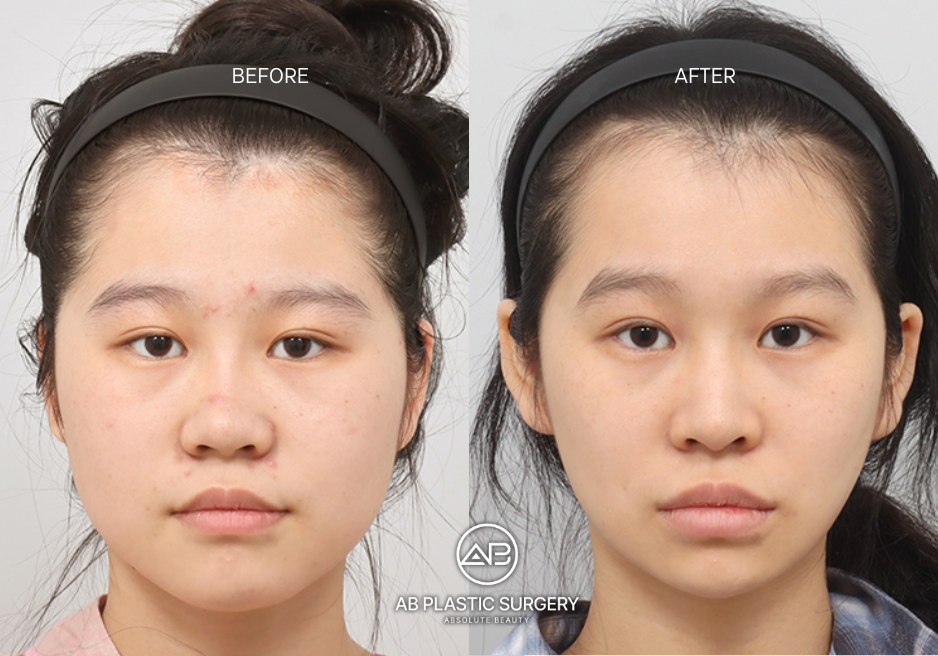
The results of intermittent fasting are real, but they are often gradual rather than dramatic.
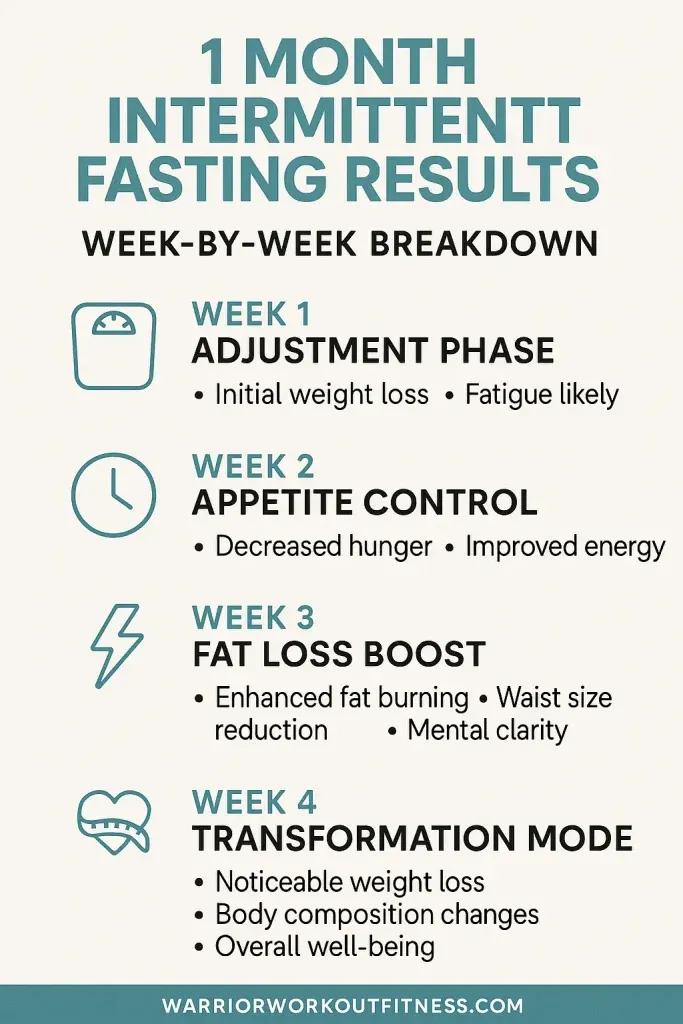
In the first week, most people feel hunger at new times and experience cravings. There may be a small drop in weight, mostly due to water loss. By the second or third week, energy levels often become more stable, bloating reduces, and portion control improves. After a month, some people may notice gradual changes such as better eating habits, fewer cravings, and small weight changes.
Take David as an example. He used to snack late at night without thinking. After starting intermittent fasting and setting a clear time to stop eating, that habit slowly disappeared. Within a few weeks, he felt more aware and in control of his eating routine. That sense of control made a lasting difference.
When Intermittent Fasting Works Best
Intermittent fasting works best when it’s combined with other healthy habits. Eating balanced meals is essential, because food quality still matters. Consistency is key doing it occasionally won’t give the same results as following a routine. Good sleep also plays a major role, as poor sleep can increase hunger and cravings. Even light physical activity, like walking, can improve results over time.
Practical Tips for Better Results

Starting gradually can make the process much easier. Begin with a 12 to 14-hour fast and slowly increase to 16 hours. Staying hydrated helps manage hunger and keeps your energy stable. It’s important not to overeat during your eating window, as that can cancel out progress. Focus on simple, whole foods like protein, vegetables, and healthy fats. Most importantly, listen to your body and adjust as needed.
Pros and Cons of Intermittent Fasting
Intermittent fasting is simple, flexible, and helps reduce unnecessary snacking. It supports gradual weight loss and can improve eating habits over time. However, the initial phase can feel challenging due to hunger and fatigue. It may not be suitable for everyone, and social schedules can sometimes make it harder to follow. Like any approach, it requires consistency to see results.
Why Trust This Information?
This information is based on widely accepted principles of nutrition and metabolism, along with real-life experiences from individuals who practice intermittent fasting regularly. It reflects how the body typically responds to structured eating patterns, including changes in insulin levels, energy use, and hunger signals.
The focus is on realistic, sustainable habits rather than quick results. Intermittent fasting works best when combined with balanced nutrition, proper sleep, and consistency. Since every individual is different, outcomes can vary depending on lifestyle, diet quality, and overall health. This content is designed to guide and inform, helping you make practical and well-informed decisions.
Frequently Asked Questions (FAQ)
Can intermittent fasting work for everyone?
It works well for many people, but results vary depending on lifestyle and habits.
How long does it take to see results?
Many people notice changes within two to four weeks.
Can I drink coffee while fasting?
Yes, as long as it’s black without sugar or milk.
Do I need to exercise?
It’s not required, but it can improve results.
What if I feel too hungry?
Start with shorter fasting periods and gradually increase.
Expert Opinion
Intermittent fasting is effective because it creates structure without strict dieting rules. It helps people naturally reduce unnecessary eating and become more aware of their habits. When combined with balanced nutrition and consistency, it becomes a practical and sustainable approach to long-term health.
Disclaimer
This content is for general informational purposes only and is not medical advice. Please consult a qualified healthcare professional before making any dietary changes.
Conclusion
So, does intermittent fasting really work?
Yes but not as a quick fix. It works as a habit. It helps you eat with intention, reduces unnecessary snacking, and supports steady progress over time. And when you stay consistent, the changes you notice go beyond just physical they become part of how you live every day.
Related Media
Image Gallery











Comments 0
Leave a Reply
Your email address will not be published. Required fields are marked *
Be the first to share your thoughts!