Intermittent Fasting for Weight Loss: Complete 2026 Guide
Intermittent fasting is an eating pattern that focuses on when you eat rather than what you eat. Some people use it as a way to manage their eating habits and support a healthier lifestyle without strict dieting rules.
At first, it might feel unfamiliar. Skipping breakfast or delaying your first meal can seem difficult. Many people notice that after some time, their eating routine becomes more structured and they may become more aware of their hunger patterns.
What Is Intermittent Fasting?
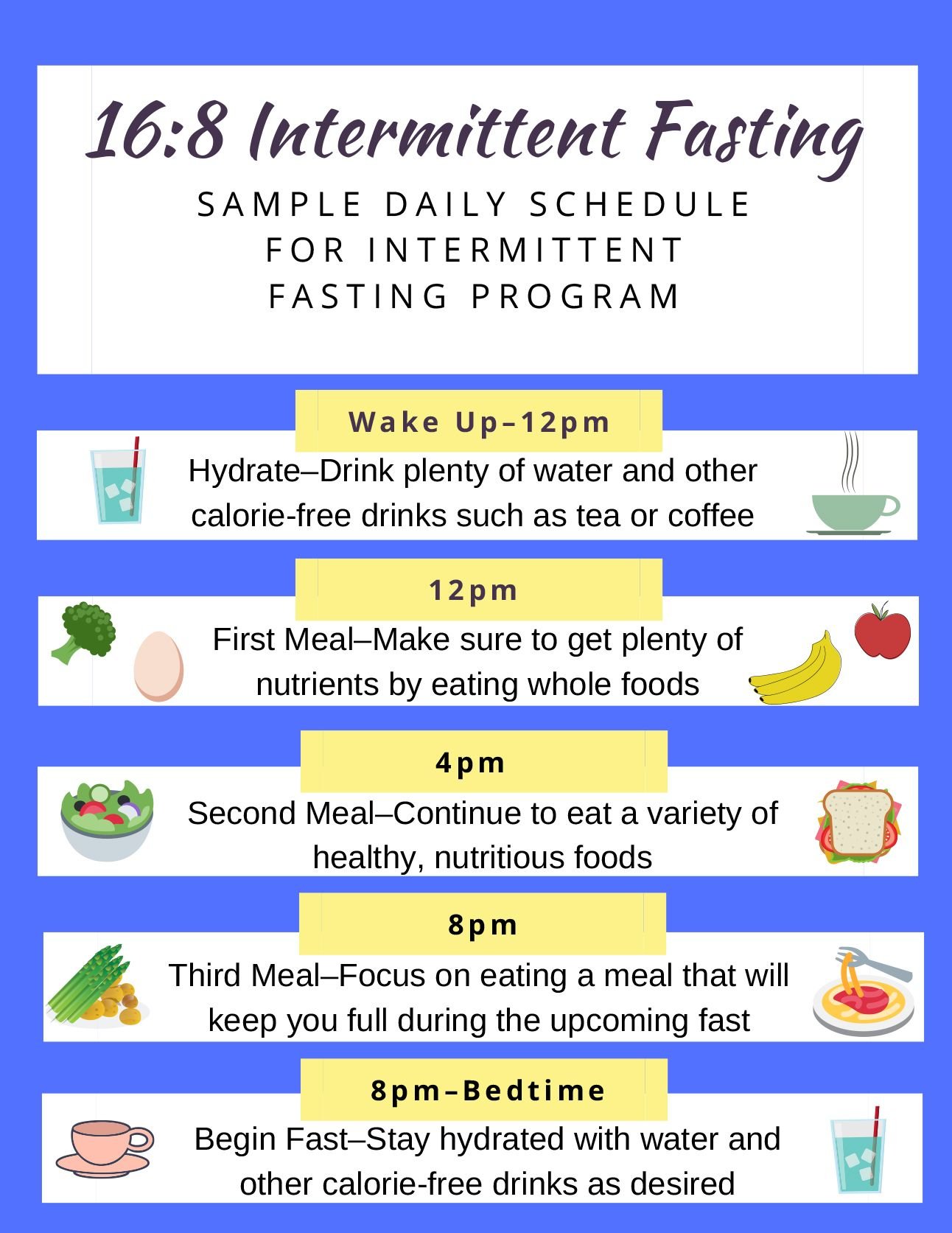
Intermittent fasting (IF) is an eating pattern where you cycle between fasting and eating windows. It focuses on timing rather than strict food rules. The most common method is 16:8, where you fast for 16 hours and eat within an 8-hour window. Some people start with 14:10 to ease into it, while others experiment with different schedules based on their lifestyle.
It’s flexible, and that flexibility is what makes it sustainable for many people.
How Intermittent Fasting Helps with Weight Loss
Intermittent fasting may help some people reduce calorie intake and support gradual weight management when combined with a balanced diet. When you reduce your eating window, you automatically cut down on unnecessary snacking. Those extra calories that often go unnoticed begin to disappear.
Over time, your body also shifts how it uses energy. Instead of constantly relying on sugar from food, the body may begin using stored energy when food intake is reduced over time. This process doesn’t happen instantly, but with consistency, it becomes more efficient.
Another important change is awareness. You begin to recognize real hunger instead of eating out of habit. That shift alone can make a meaningful difference.
A Real-Life Example
Mark, a 34-year-old office worker, had a habit of eating late at night while watching TV. It wasn’t hunger it was routine. When he started intermittent fasting and stopped eating after 8 PM, those habits slowly faded.
The first week felt challenging. By the second week, cravings became easier to manage. After a month, he noticed changes in his eating habits and felt more consistent with his routine. Not dramatic, not instant but real and consistent.
How to Start Intermittent Fasting for Weight Loss
Starting gradually makes the process much easier. Begin with a 12 to 14-hour fast and slowly build up to 16 hours. Choose an eating window that fits your routine, such as 12 PM to 8 PM or 10 AM to 6 PM.
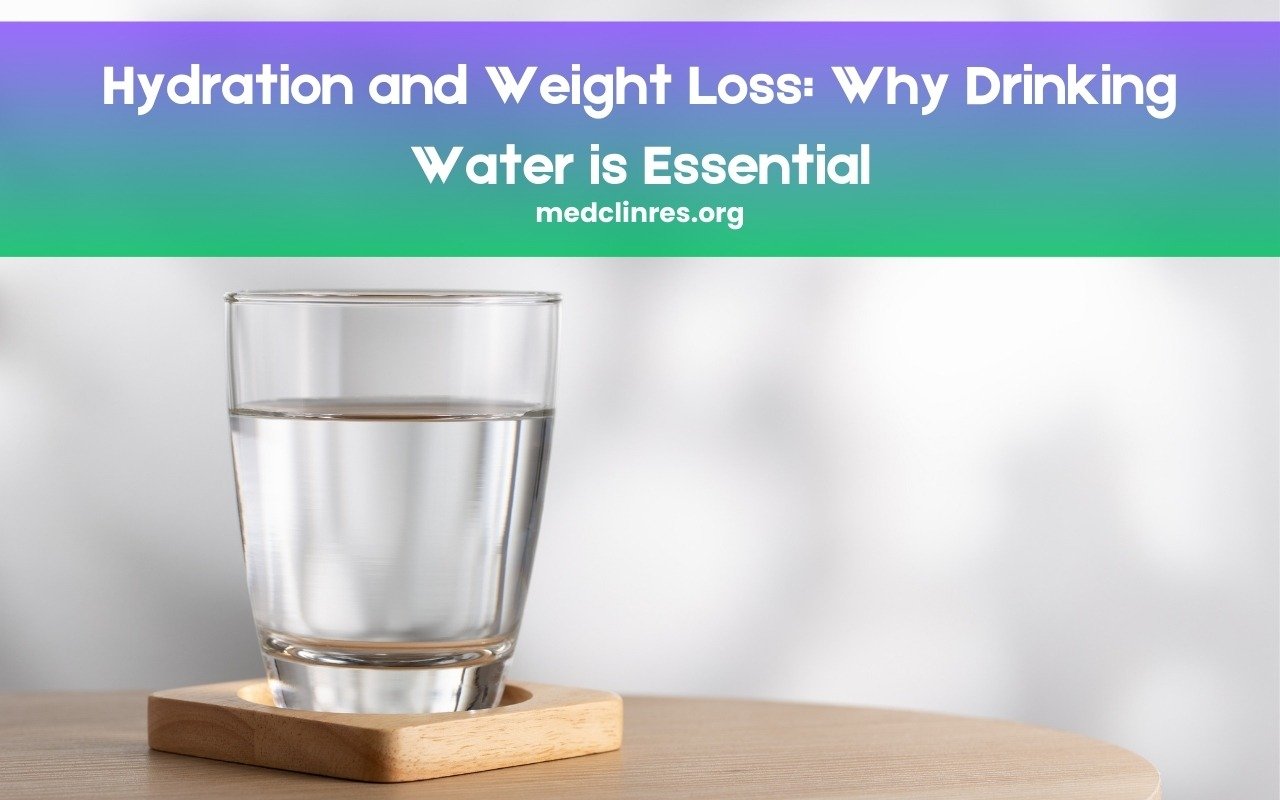
Focus on balanced meals that include protein, fiber, and healthy fats. Staying hydrated throughout the day helps manage hunger and keeps your energy steady. It’s also important to stay consistent, even if some days aren’t perfect.
What to Eat for Better Results
Food quality still matters. Build meals around lean protein, whole carbohydrates, healthy fats, and vegetables. Simple, home-cooked meals are often the best choice.
Avoid overeating during your eating window, and try to limit highly processed foods and sugary drinks. Intermittent fasting works best when combined with mindful eating.
Common Mistakes to Avoid
Many beginners start too aggressively or try to push their limits too quickly. Others overeat during their eating window, thinking it balances out the fast. Poor sleep, dehydration, and ignoring nutrition can also slow progress.
A balanced approach works better than extremes.
Pros and Cons of Intermittent Fasting
Intermittent fasting is simple, flexible, and may help reduce frequent or unnecessary snacking for some people. It supports steady weight loss and fits into most lifestyles. However, the first few days can feel uncomfortable due to hunger. It may not suit everyone, and social routines can sometimes be challenging. Like any habit, it requires consistency to see results.
Why Trust This Information?
This guide is based on widely accepted nutrition and metabolic principles, along with real-world experiences from people who practice intermittent fasting consistently. It reflects how the body responds to structured eating patterns, including changes in insulin levels, energy use, and hunger signals.
The focus is on sustainable weight loss rather than quick fixes. Intermittent fasting works best when combined with balanced nutrition, proper sleep, and consistent habits. Since every individual is different, results may vary depending on lifestyle, diet quality, and activity level. This information is designed to guide and inform in a practical, realistic way so you can make decisions that fit your daily life.
Frequently Asked Questions (FAQ)
Can I lose weight with intermittent fasting?
Yes, many people experience steady weight loss when they follow it consistently.
How long does it take to see results?
Most people notice changes within a few weeks.
Can I drink coffee during fasting?
Yes, as long as it’s black without sugar or milk.
Do I need to exercise?
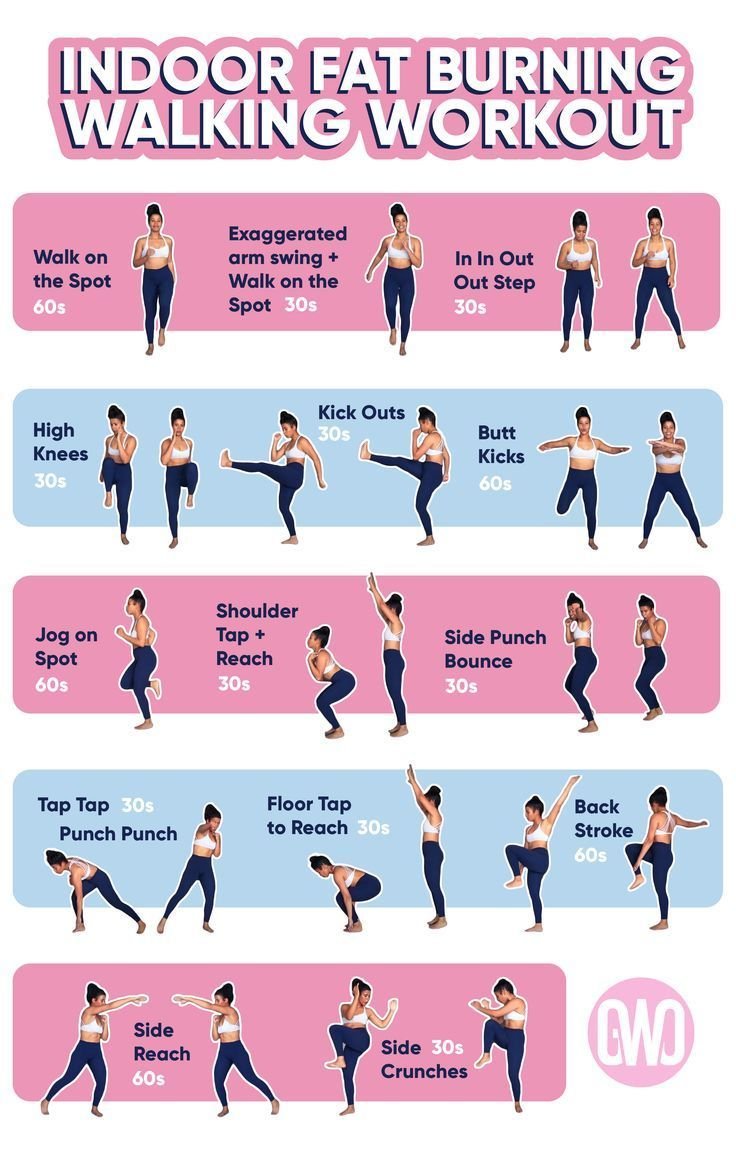
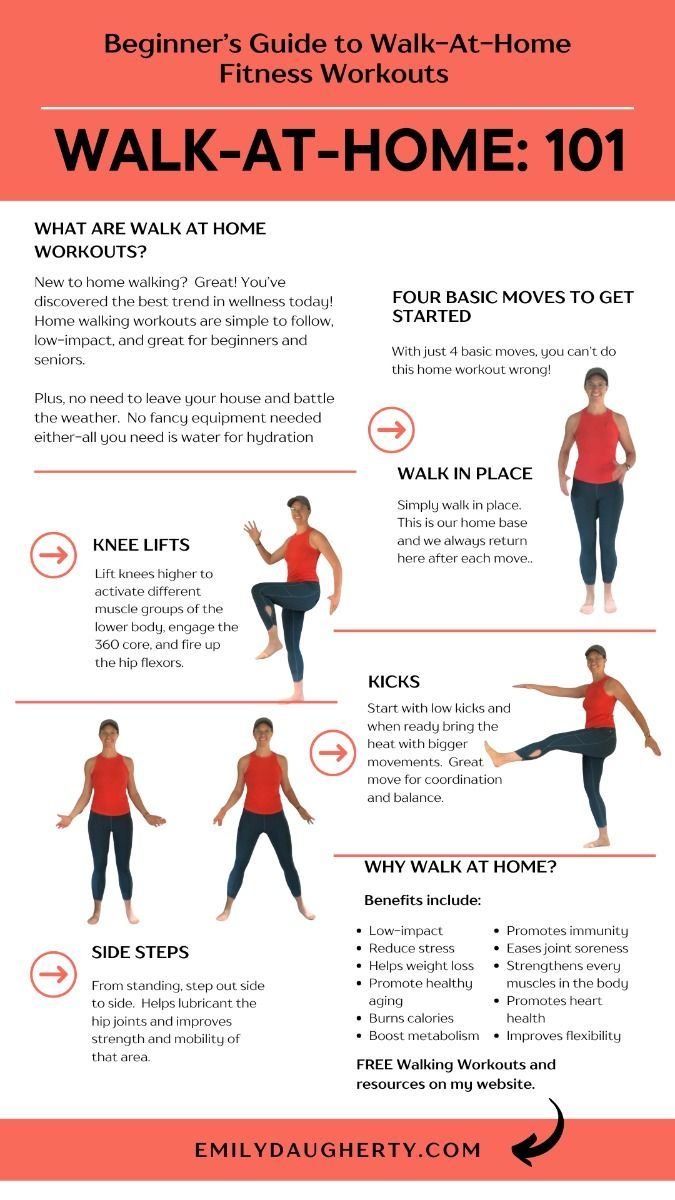
Not required, but it can improve results.
What if I feel too hungry?
Start with shorter fasting periods and gradually increase.
Expert Opinion
Intermittent fasting works because it simplifies eating habits without strict restrictions. It reduces unnecessary calorie intake and helps build awareness around food. When combined with balanced nutrition and consistency, it becomes a sustainable approach to long-term weight management.
Disclaimer
This content is for general informational purposes only and should not be considered medical advice. Please consult a qualified healthcare professional before making any dietary or lifestyle changes.
Conclusion
Intermittent fasting is an eating pattern that focuses on structured eating windows and may help some people become more mindful about their food habits. The results may not be instant, but they are steady and realistic.
With consistency and balance, it can become more than just a method it can become a lifestyle.










Comments 0
Leave a Reply
Your email address will not be published. Required fields are marked *
Be the first to share your thoughts!