Intermittent Fasting Results: What Happens After 7, 14 & 30 Days
Intermittent fasting sounds simple on paper eat during a set window, fast the rest of the time. But once you begin, it becomes more than just a routine. It slowly changes how you think about hunger, habits, and self-control. If you’ve ever caught yourself wondering, “Is this actually working?” you’re not alone. Let’s walk through what really happens after 7, 14, and 30 days.
What Is Intermittent Fasting?
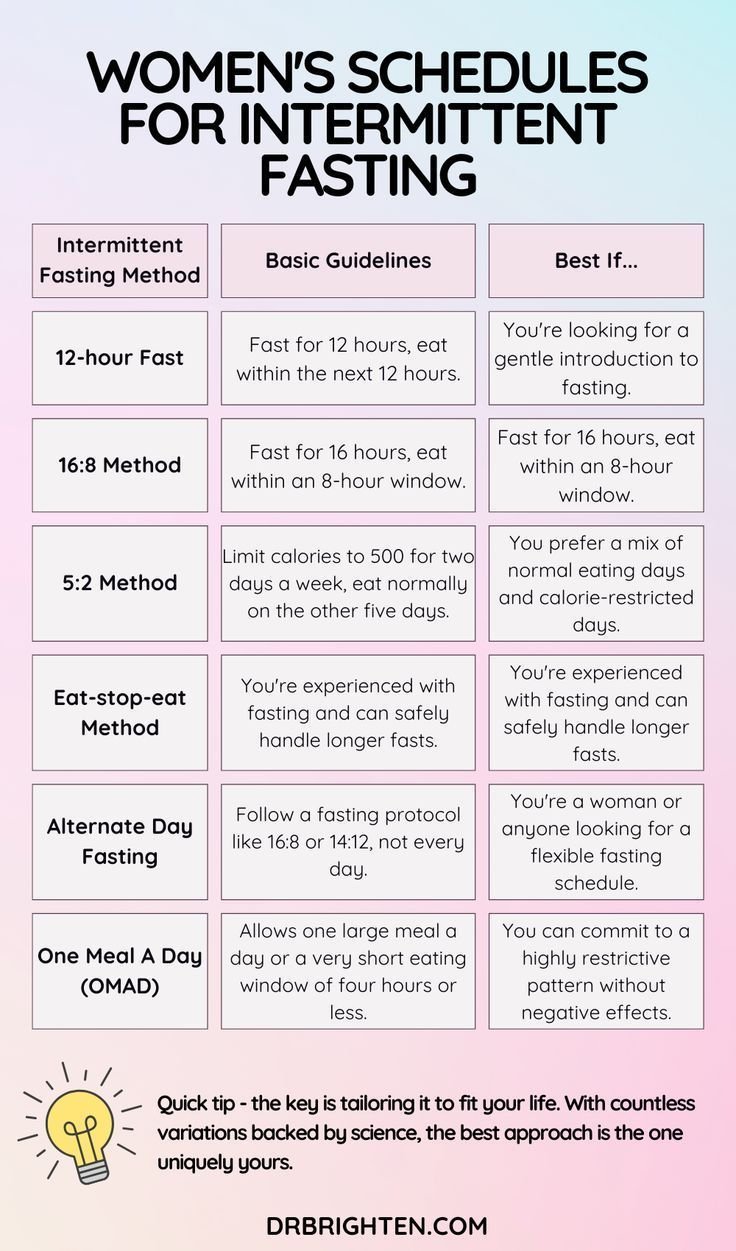
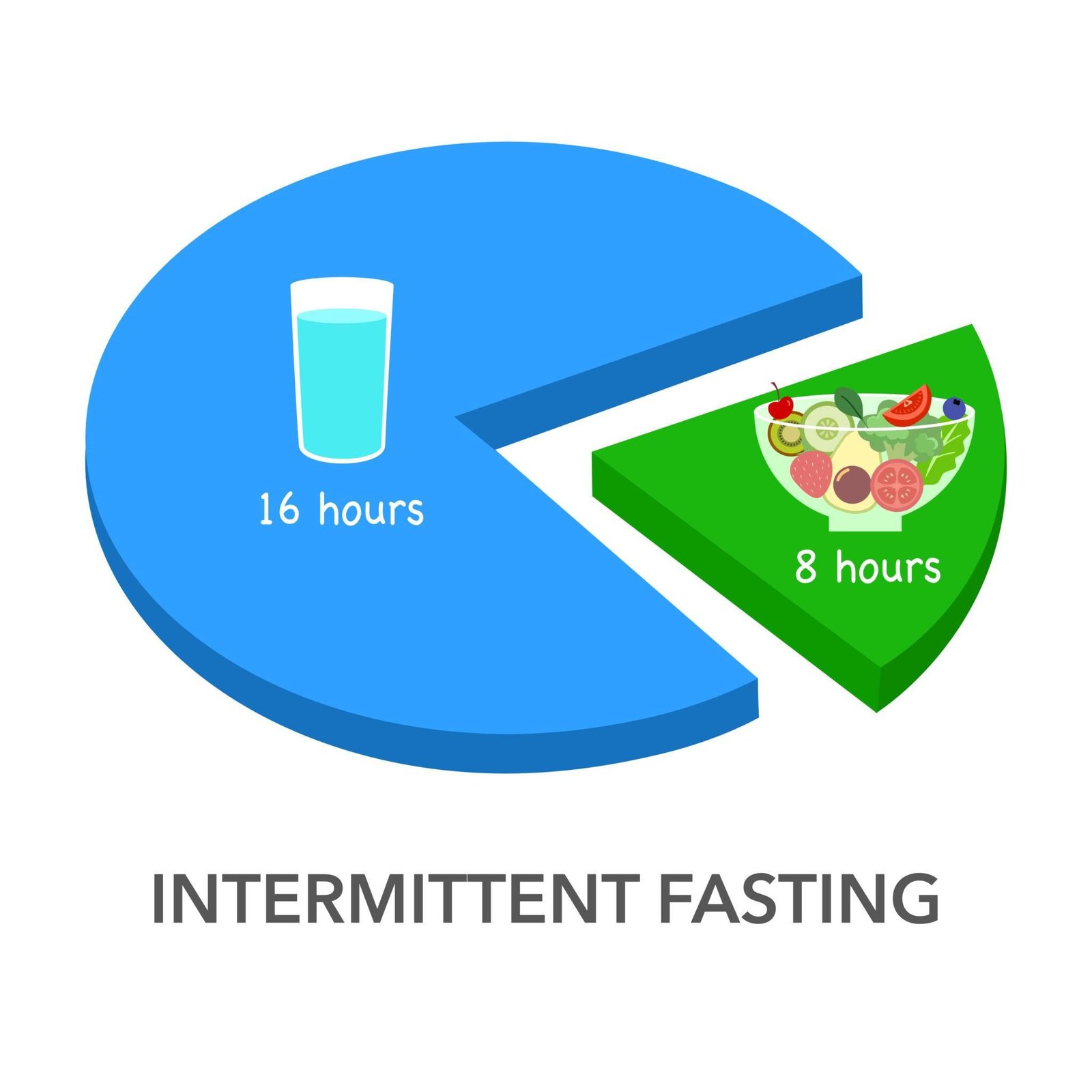
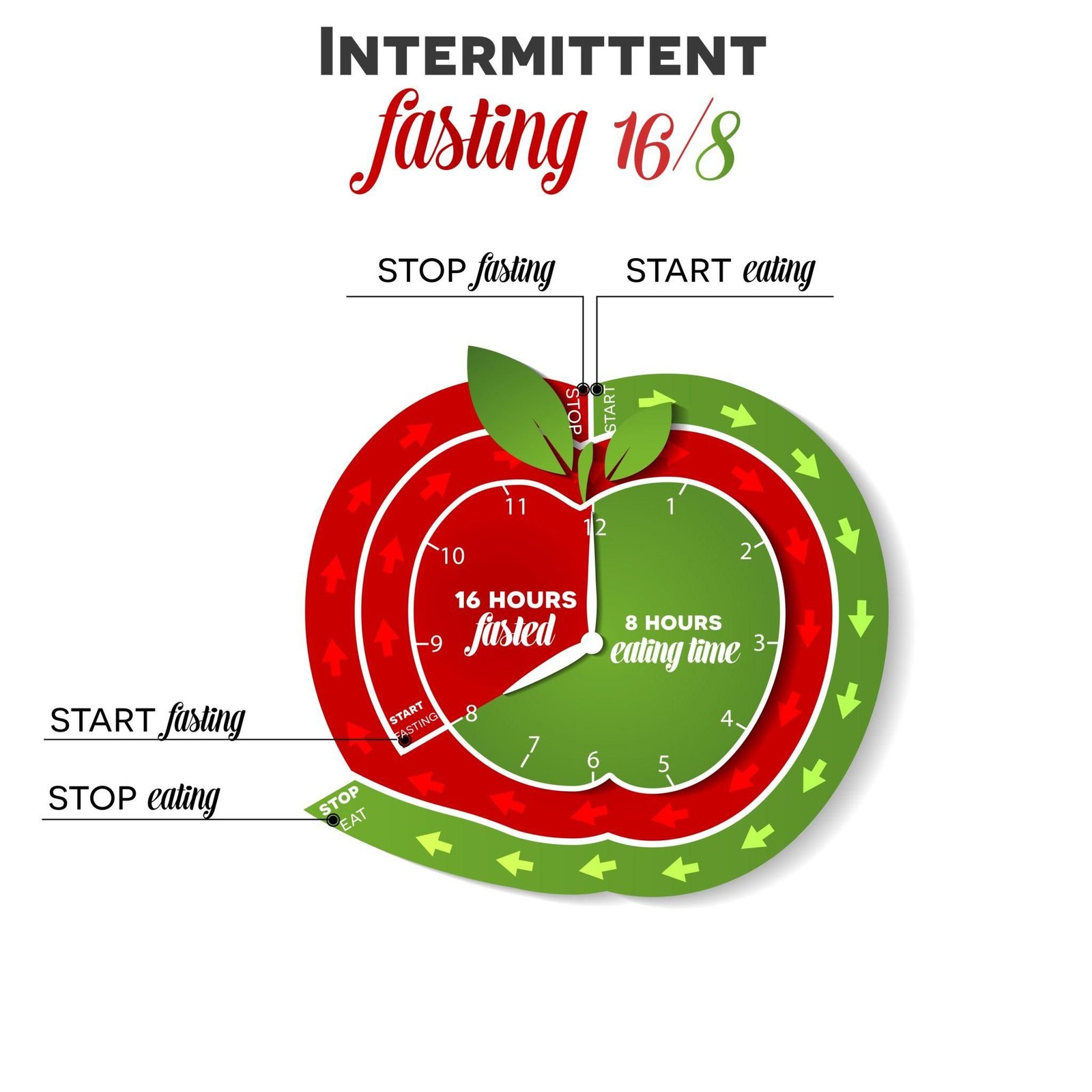
Intermittent fasting (IF) is an eating pattern where you cycle between eating and fasting periods. The most common method is 16:8, where you fast for 16 hours and eat within an 8-hour window. Other options include 14:10 for beginners, 18:6 for a more structured routine, and 5:2 where you eat normally for five days and reduce calories for two days. It’s flexible, which is why many people find it easier to stick with compared to strict diets.
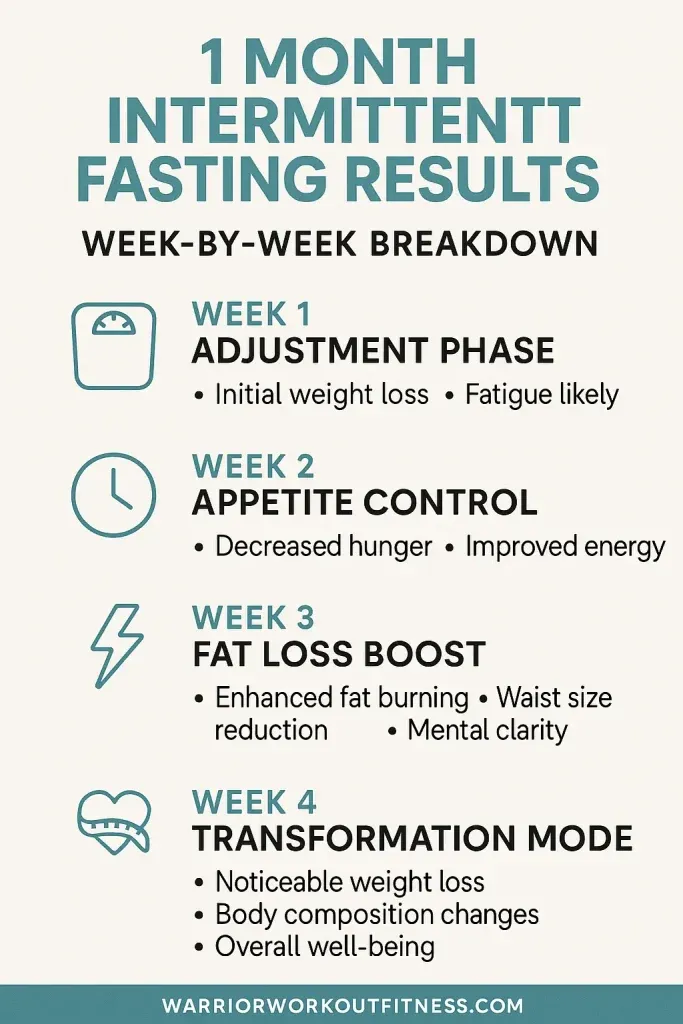
After 7 Days: The Adjustment Phase
After 14 Days: Noticeable Progress
By the second week, energy levels become more stable, and snacking habits naturally reduce. Many people report improved digestion and reduced bloating. Weight loss typically continues at a steady rate of around 1–3 kg depending on diet quality and calorie intake.
After 30 Days: A Lifestyle Transformation
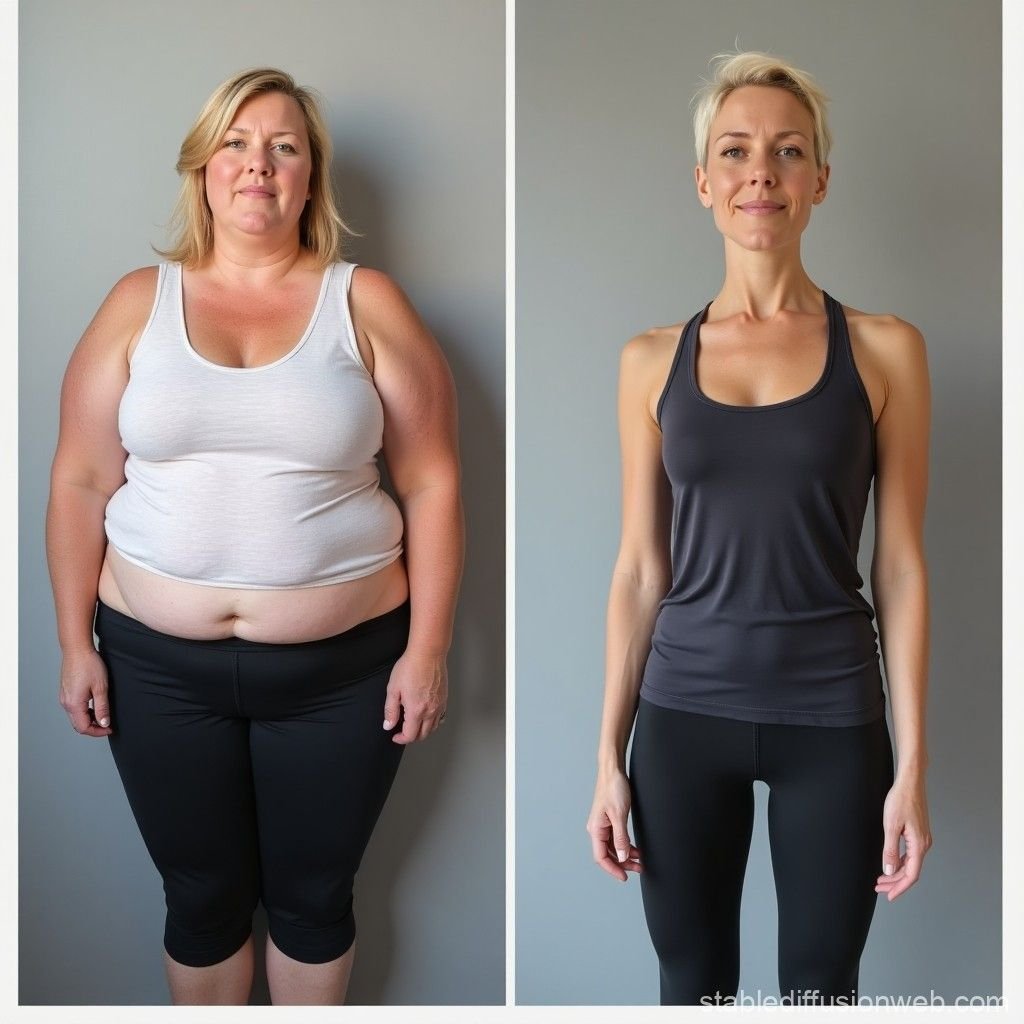
After 30 days, intermittent fasting often leads to visible fat loss ranging from 2–5 kg in many individuals, depending on lifestyle and consistency. Hunger hormones become more regulated, late-night cravings reduce significantly, and the body becomes more efficient at using fat for energy.
Pros and Cons of Intermittent Fasting
Intermittent fasting is simple and flexible, making it easier to follow than many traditional diets. It helps reduce unnecessary snacking and can support steady weight loss while improving energy levels. However, the initial phase can be challenging with hunger and fatigue. It may not be suitable for everyone, and overeating during eating windows can slow results. Social schedules can also require some adjustment.
Why Trust This Information?
This information is based on widely observed metabolic responses such as insulin regulation, glycogen depletion, and fat oxidation that occur during fasting periods. Intermittent fasting is also commonly used in structured nutrition programs for weight management. While results vary from person to person, these patterns are consistently observed in individuals who follow time-restricted eating combined with balanced nutrition and proper sleep.
Common Mistakes People Make
Most beginners make a few common mistakes that slow down results. One of the biggest is overeating during the eating window, which cancels the calorie deficit. Another mistake is consuming too much sugar or processed food, thinking fasting alone is enough. Poor sleep and dehydration can also reduce fat loss efficiency.
Frequently Asked Questions (FAQ)
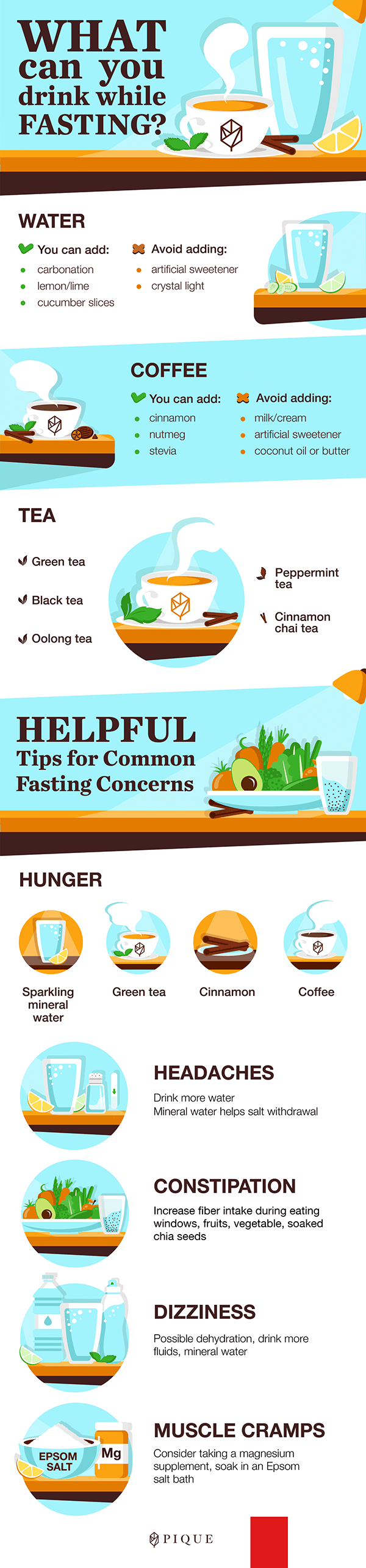
Can I drink coffee while fasting?
Yes, black coffee is allowed. Avoid adding sugar or cream.
Will I lose weight in 30 days?
Most people notice some progress, whether it’s weight loss, reduced bloating, or improved energy.
Is intermittent fasting safe?
For most healthy adults, it is generally safe. However, those with medical conditions should consult a doctor.
What should I eat during the eating window?
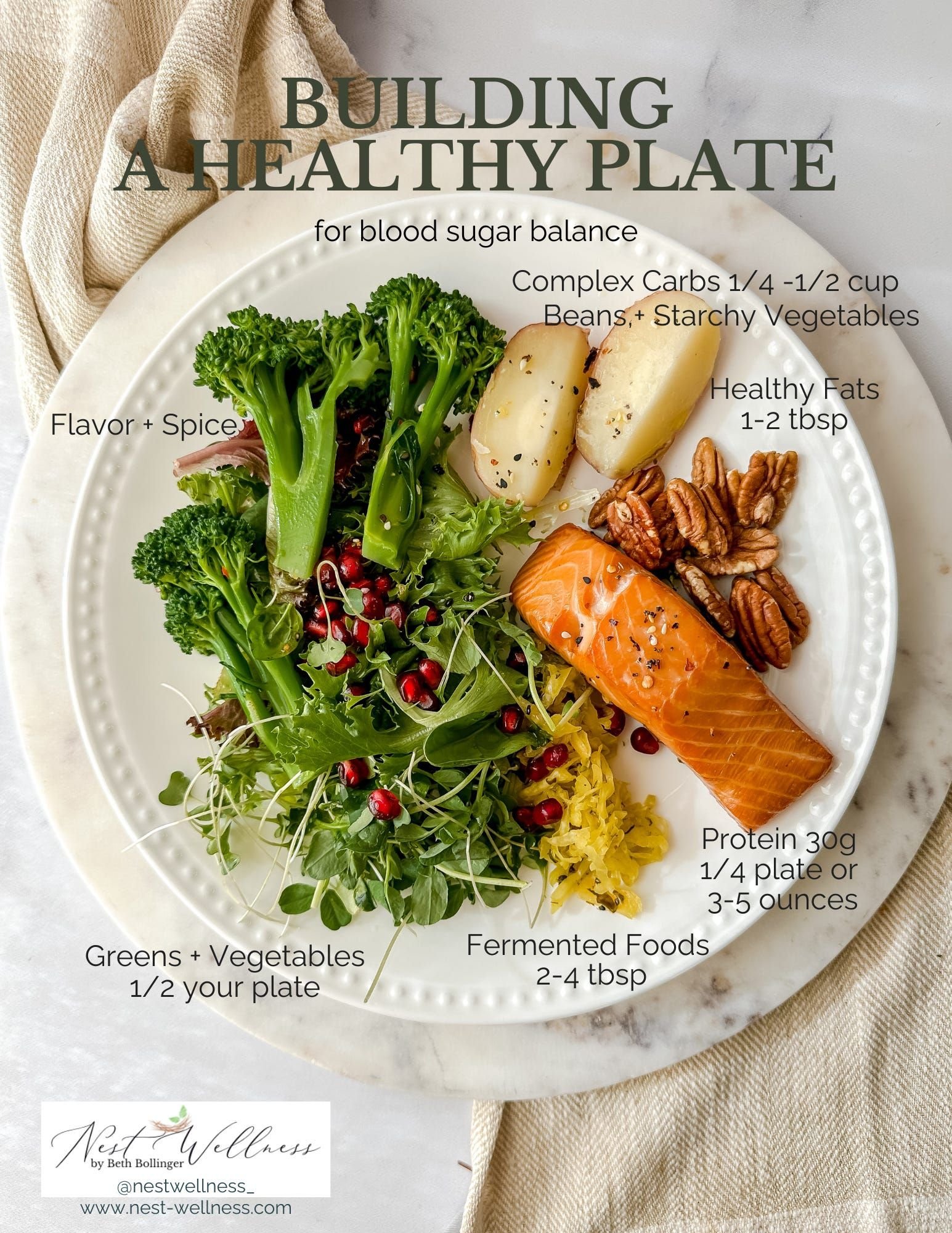
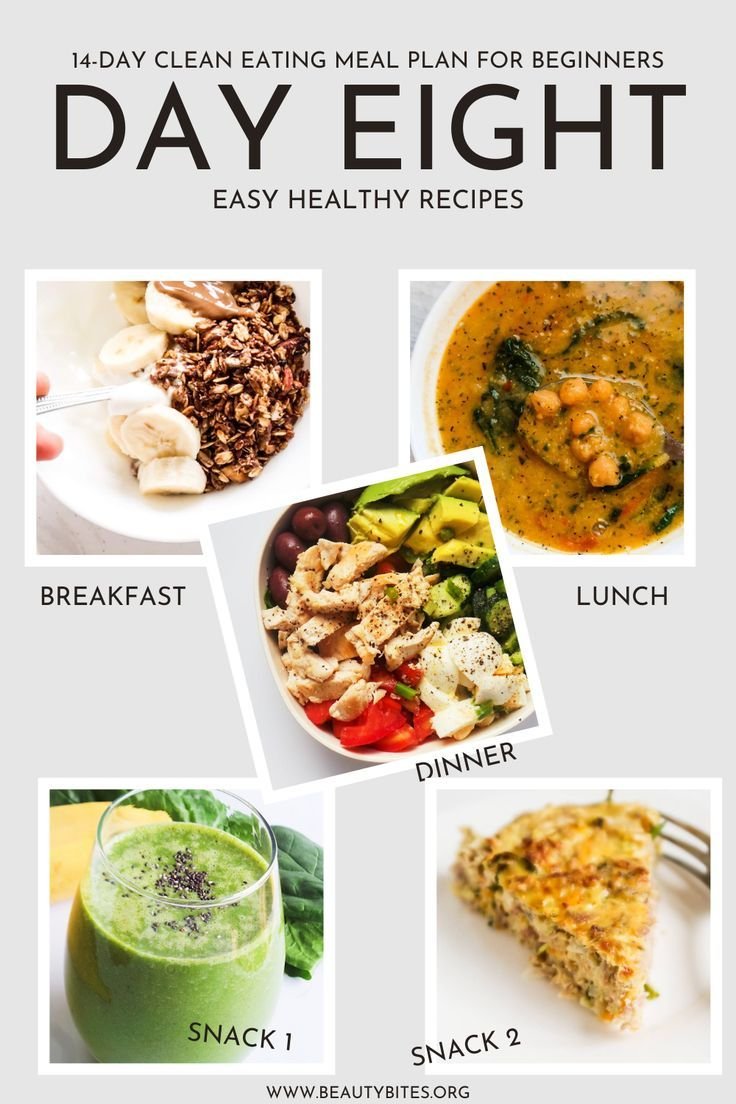
Focus on balanced meals with protein, vegetables, whole grains, and healthy fats.
What if I feel too hungry?
Start with a shorter fasting window like 12–14 hours and gradually increase.
Expert Opinion
Intermittent fasting works because it creates structure without making eating complicated. It naturally reduces mindless snacking, especially late at night. However, long-term success depends on consistency, food quality, sleep, and overall lifestyle not just the fasting window.
Conclusion
Intermittent fasting isn’t about perfection. It’s about building better habits over time. The first 7 days challenge you, the next 14 days help you adjust, and by 30 days, it begins to feel natural. That’s where real, lasting change starts.













Comments 0
Leave a Reply
Your email address will not be published. Required fields are marked *
Be the first to share your thoughts!